• Open Access
  • Editors Choice
Article

Computed Tomography Imaging and Characteristics of In Situ Forming Implants with Different PLGA Endcaps
Click to copy article linkArticle link copied!

  • Xinhao Lin
    Xinhao Lin
    Department of Pharmaceutical Sciences, University of Connecticut, Storrs, Connecticut 06269, United States
    More by Xinhao Lin
  • Zixuan Zhen
    Zixuan Zhen
    Department of Pharmaceutical Sciences, University of Connecticut, Storrs, Connecticut 06269, United States
    More by Zixuan Zhen
  • Seyyed Majid Eslami
    Seyyed Majid Eslami
    Department of Pharmaceutical Sciences, University of Connecticut, Storrs, Connecticut 06269, United States
  • Nour Al Zouabi
    Nour Al Zouabi
    Department of Pharmaceutical Sciences, University of Connecticut, Storrs, Connecticut 06269, United States
  • Lauren Elizabeth Ward
    Lauren Elizabeth Ward
    Department of Radiology, Biomedical Research Imaging Center, University of North Carolina at Chapel Hill, Chapel Hill, North Carolina 27599, United States
  • Mittal Darji
    Mittal Darji
    Department of Pharmaceutical Sciences, University of Connecticut, Storrs, Connecticut 06269, United States
    More by Mittal Darji
  • Sheyda Ranjbar
    Sheyda Ranjbar
    Department of Pharmaceutical Sciences, University of Connecticut, Storrs, Connecticut 06269, United States
  • Francis K. Masese
    Francis K. Masese
    Department of Chemistry, University of Connecticut, Storrs, Connecticut 06269, United States
  • André O’Reilly Beringhs
    André O’Reilly Beringhs
    Office of Research and Standards, Office of Generic Drugs, Center for Drug Evaluation and Research, Food and Drug Administration, Silver Spring, Maryland 20903-1058, United States
  • Rajeswari M. Kasi
    Rajeswari M. Kasi
    Department of Chemistry, University of Connecticut, Storrs, Connecticut 06269, United States
  • Qiangnan Zhang
    Qiangnan Zhang
    Office of Research and Standards, Office of Generic Drugs, Center for Drug Evaluation and Research, Food and Drug Administration, Silver Spring, Maryland 20903-1058, United States
  • Qi Li
    Qi Li
    Office of Research and Standards, Office of Generic Drugs, Center for Drug Evaluation and Research, Food and Drug Administration, Silver Spring, Maryland 20903-1058, United States
    More by Qi Li
  • Qin Bin
    Qin Bin
    Office of Research and Standards, Office of Generic Drugs, Center for Drug Evaluation and Research, Food and Drug Administration, Silver Spring, Maryland 20903-1058, United States
    More by Qin Bin
  • Yan Wang
    Yan Wang
    Office of Research and Standards, Office of Generic Drugs, Center for Drug Evaluation and Research, Food and Drug Administration, Silver Spring, Maryland 20903-1058, United States
    More by Yan Wang
  • Hong Yuan
    Hong Yuan
    Department of Radiology, Biomedical Research Imaging Center, University of North Carolina at Chapel Hill, Chapel Hill, North Carolina 27599, United States
    More by Hong Yuan
  • Xiuling Lu*
    Xiuling Lu
    Department of Pharmaceutical Sciences, University of Connecticut, Storrs, Connecticut 06269, United States
    *Email: [email protected]
    More by Xiuling Lu
Open PDF

Chemical & Biomedical Imaging

Cite this: Chem. Biomed. Imaging 2026, XXXX, XXX, XXX-XXX
Click to copy citationCitation copied!
https://doi.org/10.1021/cbmi.6c00001
Published February 17, 2026

© 2026 The Authors. Co-published by Nanjing University and American Chemical Society. This publication is licensed under

CC-BY-NC-ND 4.0 .

Abstract

Click to copy section linkSection link copied!

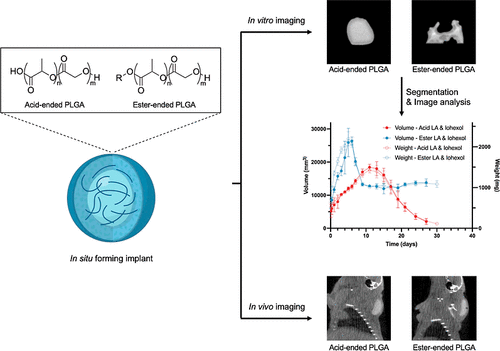
A poly(lactic-co-glycolic acid) (PLGA)-based in situ-forming implant (ISFI) is a long-acting injectable composed of active ingredients, a biodegradable polymer and a biocompatible solvent. Understanding the role of PLGA end-caps is crucial for designing ISFI formulations due to their impact on drug delivery performance. In this study, using leuprolide acetate as a model drug, we characterized the ISFIs using computed tomography (CT) imaging to explore the influence of PLGA end-cap on the implant’s formation and drug-release behavior. CT imaging enabled a detailed characterization of implant morphology and internal structure, providing new insights into the relationship between phase inversion, implant formation, and in vitro release performance. Acid-ended PLGA showed a higher initial burst release with 100% of the solvent released at 9 days and a faster release duration of the drug in the in vitro release profile. In contrast, ester-ended PLGA showed a more prolonged release profile, with the plateau phase not reached until approximately day 50. Morphological analysis from CT images of the in vitro implants revealed that acid-ended PLGA formed spherical implants with a dense outer layer, whereas ester-ended PLGA resulted in irregular shapes with a larger size expansion. In vivo CT imaging confirmed these trends, although implant evolution occurred more rapidly in biological environments. Overall, this research highlights the impact of PLGA end-caps on the performance of ISFI, providing a scientific basis for formulation development, evaluation, and optimization of ISFIs.

This publication is licensed under

CC-BY-NC-ND 4.0 .
  • cc licence
  • by licence
  • nc licence
  • nd licence
© 2026 The Authors. Co-published by Nanjing University and American Chemical Society

1. Introduction

Click to copy section linkSection link copied!

In situ forming implants (ISFIs) are a class of long-acting injectables that have garnered significant interest due to their minimally invasive administration and ability to provide sustained drug release. (1−3) Seven commercial products, including Atridox, Eligard, Sublocade, Perseris, Fensolvi, Camcevi, and Uzedy, (4,5) have been approved by the U.S. Food and Drug Administration, with five of them approved in the last -few years. ISFIs bring several advantages, including sustained drug release, improved patient compliance, potential reduction of side effects, and simpler manufacturing process compared to other long-acting injectables. (6−9) The versatility of ISFIs has led to their application in various medical fields, including cancer, schizophrenia, and opioid use disorder. Until now, all the commercial products were solvent-exchange-based ISFI, where the polymer gel formulation forms a solidified polymer matrix by phase inversion. (8) The drug is sustainably released from the polymer matrix through diffusion and polymer degradation.
The ISFI is a complex and intricate system with many parameters that impact drug release kinetics. Formulation parameters, including drug loading, polymer properties, solvent properties, and additives, are important contributing factors in the drug release profiles. (4) Most of the ISFI commercial products are poly(lactic-co-glycolic acid) (PLGA) or polylactic acid based. The diversity of PLGA properties provides the possibility of controlling the drug release kinetics and duration by different PLGAs. Among all PLGA properties, the end group is an important factor that impacts the performance of the ISFI. PLGA can be end-capped with either a free carboxylic acid group (acid-terminated) or an ester group (ester-terminated). Different end groups of PLGA change the hydrophobicity of the polymer and may cause an interaction with drugs such as peptides, as seen with acid-terminated PLGA. (13,14) Acid-terminated PLGA can form covalent bonds with peptides through its carboxylic acid groups as well as engage in ionic interactions. (11,16) (11,14−16) Additionally, the mechanical strength and elasticity of the implant formed can be influenced by PLGA end groups. Ester-terminated PLGA may provide implants with different mechanical properties compared to acid-terminated PLGA, affecting the durability and performance. (17) However, the impact of end-cap has been reported to be drug-dependent, owing to the drug-polymer interaction and the drug’s catalytic effect on polymer degradation. (15) Besides the impact on performance, acid-terminated PLGA may lead to a more acidic microenvironment upon degradation, potentially eliciting inflammatory responses or affecting the stability of pH-sensitive drugs. (18) However, existing studies have primarily focused on the physicochemical properties of PLGA and the overall performance of ISFIs, while the effects on implant formation and degradation, drug deposition, and drug-release mechanisms have been insufficiently explored.
Because of the challenges in understanding the drug release mechanism by conventional performance tests, imaging techniques have emerged as a new trend of characterization methods that enable the visualization of the implant. Computed tomography (CT) is an imaging technique that uses X-rays to create high-resolution cross-sectional images. (19) Compared with magnetic resonance imaging (MRI), which has longer scanning times, CT imaging allows for real-time, continuous tracking of the implants. As a noninvasive three-dimensional (3D) imaging method, CT imaging also offers higher spatial resolution than ultrasound imaging, enabling precise characterization of an ISFI’s size and shape within the tissue. (20) Moreover, CT imaging can enable the quantification of contrast agents like iohexol. By measurement of the attenuation or density, it is possible to track the concentration of the contrast agent in a specific area. This provides valuable information about the drug release kinetics and distribution within the implants.
The goal of this work was to understand the impact of PLGA end-caps on the ISFIs with leuprolide acetate as a model drug. CT imaging was applied to achieve real-time imaging of ISFIs and understand the implant formation process, water intake, and drug release dynamics of the implants through both in vitro and in vivo investigations. Qualitative and quantitative data from images could facilitate the development of in vitro bioequivalence methodologies for ISFI products and build a fundamental understanding of the drug release mechanism.

2. Materials and Methods

Click to copy section linkSection link copied!

2.1. Materials

PLGA (lactic acid (L)/glycolic acid (G) = 50:50, molecular weight (MW): 27 kDa, ester end) and PLGA (lactic acid (L)/glycolic acid (G) = 50:50, MW: 26 kDa, acid end) were purchased from Evonik Corporation-Lactel Absorbable Polymers (AL, USA). N-Methyl-2-pyrrolidone (NMP), acetonitrile, and methanol were purchased from Fisher Scientific (PA, USA). Phosphate-buffered saline (PBS) (pH 7.4) was purchased from Sigma-Aldrich (MO, USA). Trifluoroacetic acid was purchased from Alfa Aesar (MA, USA).

2.2. Preparation of ISFI Formulations

The polymer gel was prepared by adding 2475 mg of PLGA (acid ended PLGA or ester ended PLGA) and 4800 mg of NMP in a 30 mL glass sample vial (Fisherbrand, USA). The vial was vortexed and bath sonicated at room temperature until the polymer was dissolved. Iohexol and leuprolide acetate were added to the polymer gel at a concentration of 30 mg/mL. For formulations with both iohexol and leuprolide acetate, two drugs were added to the polymer gel at a concentration of 30 mg/mL. The formulations were stored at 4 °C and used within 24 h.

2.3. Nuclear Magnetic Resonance

1H and 13C nuclear magnetic resonance (NMR) spectroscopy was performed to understand the MW, end-cap, and blockiness of the polymers. A three-channel Bruker AVANCE 500 NMR spectrometer equipped with a BBFO Smart probe with z-gradients was used for characterization. Each sample was prepared at a concentration of 40 mg/mL in deuterated chloroform and transferred to 5 mm NMR tubes for analysis. A total of 1200 records were collected per sample with a sweep width of 30,303 Hz. TopSpin v2.1.8 software was used for data analysis. Blockiness was calculated by using the equation below.
Rc=IGGIGL

2.4. High-Performance Liquid Chromatography

Shimadzu Corporation HPLC (Kyoto, Japan) and an Agilent 4.6 mm HC-C18 column (250 mm) (CA, USA) were used to quantify the iohexol, leuprolide acetate, and NMP. The method conditions for iohexol and NMP were as follows: injection volume 5 μL; flow rate 0.8 mL/min; mobile phase of 0.1% trifluoroacetic acid in water/methanol 80:20 v/v. The method conditions for leuprolide acetate were as follows: injection volume of 20 μL; flow rate of 1 mL/min; mobile phase of 0.1% trifluoroacetic acid in water/acetonitrile 68:32 v/v. The detection wavelength was set at 245 nm for iohexol and 220 nm for NMP.

2.5. X-ray CT Imaging of In Vitro-Formed Implants

In vitro-formed ISFIs were prepared by injecting 250 μL of the formulations using a borosilicate glass syringe with a 20-gauge needle into 10 mL of PBS at pH 7.4 in a scintillation vial. The scintillation vials were stored in a bath shaker (37 °C, 80 rpm). At predetermined time intervals (3 and 8 h, 1, 2, 3, 4, 5, 6, 7, 9, 11, 13, 15, 17, 19, and 21 days, then every 3 days until 30 days, 36, 43, and 50 days after injection), the implants were taken out from the release medium for imaging. CT imaging was conducted using the In Vivo Imaging System (IVIS) Spectrum CT (PerkinElmer, USA) at medium resolution (voxel size: 75 μm, resolution: 225, estimated dose: 13.2 mGv, total time: 210 s). The implant was moved back to a new scintillation vial with replenished 10 mL of release medium in order to maintain the sink condition.

2.6. In Vitro-Formed Implant Volume and Intensity Measurement

Samples’ CT images were analyzed using an open-source software 3DSlicer (https://slicer.org). The sample-holding bed was first removed by masking the bed voxels. Total implant volume was segmented out by using the global threshold method. The threshold was determined by visual assessment, ranging between 25,000 and 50,000. The mean intensity, standard deviation (SD), and total volume were measured for each implant. For the implants that present a dense core, the core volume was further segmented out by using the threshold method. The threshold value for the core was identified visually, with a typical range of 33,000–50,000 counts. The core volume and mean intensity were measured. For each sample, the total volume, core volume, mean intensity of total volume, and mean intensity of the core structure were recorded. CT image analysis was performed using the same segmentation workflow and consistent thresholding criteria across all samples to enable a standardized comparison.

2.7. In Vitro Release Study

An in vitro release study was conducted at the same time as the CT imaging for in vitro-formed implants. At each time interval, the release medium was collected. The concentrations of iohexol, leuprolide acetate, and NMP were determined by high-performance liquid chromatography (HPLC) using the methods described above. Cumulative release profiles were calculated by HPLC analysis and were calibrated by the actual injection weight for each replicate.

2.8. Scanning Electron Microscopy of In Vitro-Formed Implants

In vitro-formed ISFIs were prepared by the method as in the in vitro release study. The release medium was replenished at the same time intervals as the in vitro implants formed for X-ray CT imaging. At 7, 15, and 21 days, implants were collected and frozen in liquid nitrogen. Frozen implants were lyophilized for 24 h to remove the water. Transaxial sections of the implants were mounted on aluminum stubs and coated with 15 nm platinum using a sputter coater (Safematic, CCU-010 HV High Vacuum, Switzerland).

2.9. Porosity Measurement

Porosity of the core and the shell of in vitro-formed implants was measured from the scanning electron microscopy (SEM) images using ImageJ software (ImageJ 1.53a, Java 1.8.0_172 (64-bit), National Institutes of Health, USA). The porosity was calculated as a percentage of the pore area in the total area of the selected area on the image. The threshold tool was used to select the areas of porosity, and the value of the porosity was measured by the analyze particles tool.

2.10. Gel Permeation Chromatography

Lyophilized in vitro-formed implants collected from 7, 15, and 21 days were prepared by the same method as the samples for SEM. Lyophilized implants were dissolved in tetrahydrofuran (THF) at a concentration of 1.5 mg/mL. Gel permeation chromatography (GPC) was performed using a Waters 1515 coupled with a PLELS1000 evaporative light scattering (ELS) detector and a Waters 2487 dual wavelength absorbance UV–vis detector with THF as the eluent (flow rate 1.5 mL/min). A conventional calibration curve was constructed by polystyrene standards for relative MW determination.

2.11. X-ray CT Imaging of In Vivo-Formed Implants

All animal studies were performed following protocols approved by the Institutional Animal Care and Use Committee at the University of Connecticut, approval number A21-007. Sprague-Dawley (SD) rats (females, 4–5 weeks old, n = 5, Charles River) were administered subcutaneously with 250 μL of the formulations using a 20-gauge needle. To perform the administration, the rats were anesthetized using 2% isoflurane with an oxygen flow rate of 2 L/min. The fur on the neck was shaved with a shaver before injection. X-ray CT imaging was performed at predetermined time points (3 and 8 h, 1, 2, 3, 4, 5, 6, and 7 days after injection) using IVIS Spectrum CT (PerkinElmer, USA) at one-mouse resolution mode (voxel size: 150 μm, resolution: 425, estimated dose: 52.8 mGv, total time: 140 s). All scans were acquired using the same imaging system and identical acquisition parameters across all animals and time points to standardize CT measurements for comparative analysis.

2.12. Statistical Analysis

Statistical data analysis was performed using a multiple unpaired t test. The level of significance was accepted at p < 0.05.

3. Results and Discussion

Click to copy section linkSection link copied!

3.1. Characterization of PLGA

Analytical characterization of the PLGA polymers used for formulation development was conducted. End-cap, MW, and L/G ratio of the PLGA were confirmed, and blockiness of the PLGA was measured.

3.1.1. End-Cap

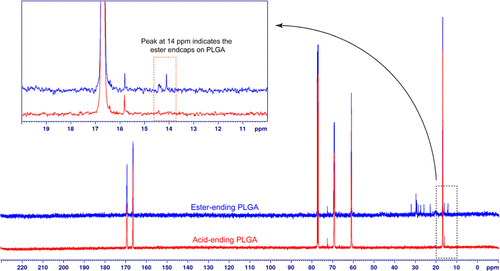
The end-cap of the PLGA was determined based on 13 C NMR spectra. The presence of a methyl peak at 14 ppm was used as the criterion to determine the end-cap of the PLGA. (12) PLGA with ester end-caps showed the peak of methyl, while PLGA with acid end-caps did not. The 13C NMR spectrum confirmed the polymer properties from the vendor that PLGA (1613-108-01) had the acid end-caps and PLGA (6010-1P) had the ester end-caps (Figure 1).

Figure 1

Figure 1. Comparison of 13C NMR spectra of the PLGA with different end-caps. The peak appearing at 14 ppm was used as the criterion to determine the end-cap of the PLGA.

3.1.2. MW, L/G Ratio, and Blockiness

PLGA polymers were analyzed by GPC to determine the MWs of the polymers. Both PLGA polymers showed similar MWs (∼30–33 kDa) (Table 1). However, the tested result of PLGA with acid end-caps was higher than the reported MW.
Table 1. Characterization of PLGA Polymers with Different End-Caps (Mean ± SD, n = 3)
 MW (kDa)L/G ratio 
endcapreportedtestedreportedtestedblockiness (Rc)
acid25.832.71 ± 0.1650:5048:521.527
ester-30.59 ± 1.1453:4751:491.263
The L/G ratio of the PLGA polymers was determined by 1H NMR spectra (Figure 2a,b). The peak at 5.2 ppm indicates the lactic acid and the peak at 4.8 ppm indicates the glycolic acid. The tested results were close to the vendor-reported results (Table 1). Similar L/G ratios (50:50) of the PLGA polymers were confirmed.

Figure 2

Figure 2. 1H and 13C NMR spectra of the PLGA with different end-caps. 1H NMR spectra of PLGA with acid end-caps (a) and ester end-caps (b) were used to determine the L/G ratio of the PLGA. The peaks appearing at 166.5 ppm on 13C NMR spectra of PLGA with acid end-caps (c) and ester end-caps (d) were used to determine the blockiness of the PLGA.

The blockiness (Rc) of the PLGA polymers was measured by 13C NMR spectra (Figure 2c,d), providing the information on the heterogeneity of the PLGA. Two integrated peaks at 166.5 ppm link to the glycolic units (G–G) and d,l-lactic units (G–L). PLGA with acid end-caps gave the blockiness of 1.52 and PLGA with ester end-caps gave the blockiness of 1.26 (Table 1).
As the focus on PLGA end-caps, acid-terminated and ester-terminated PLGAs were selected for their similar nominal properties besides end-caps. Although slight differences in measured MW and blockiness were observed, these variations are representative of commercial batches but should be considered as potential confounding variables.

3.2. In Vitro Release Tests

In vitro release tests were conducted to understand the release profiles of both the drug and the solvent. Based on the commercial leuprolide acetate product (Eligard), leuprolide acetate was loaded in the formulations as the chosen model drug. Iohexol was added in some of the formulations to provide visualization of the compound deposition through CT imaging. The PLGA acid-ended group’s data was sourced from our previously published paper. (21) The drugs studied, including leuprolide acetate and iohexol, as well as the solvent, NMP, exhibited common in vitro release patterns of ISFIs characterized by three distinct phases: an initial burst release, followed by a slow-release phase driven by diffusion and, finally, a fast-release period driven by polymer degradation.
NMP exhibited release profiles that were mostly driven by burst release and solvent diffusion (Figure 3a–c). All groups with acid-ended PLGA showed a higher extent of burst release within 1 day after injection, consistent with previous observations that acid-ended PLGA promotes a higher extent of burst release. (22) This may be attributed to the hydrophilic properties of the carboxyl end-cap and NMP, which promoted the solvent exchange, further accelerating the NMP release during the burst release phase. After the burst release, acid-ended PLGA enabled a more prolonged period with a slow-release rate of NMP until 7–9 days before the second fast-release period. One of the possible attributes is that the carboxylic group of the acid-ended PLGA formed hydrogen bonds with NMP, retaining NMP in the polymer matrix for a longer time. Followed by a second fast-release period at the end, all the implants formed by acid end-caps reached a plateau in around 17–19 days. While ester-ended PLGA groups experienced a lower burst release, NMP showed a fast release profile with reaching the plateau by day 9–11. Addition of leuprolide acetate, with its hydrophilic properties and interaction with NMP, (21) inhibited the release of NMP at the early stage, but the time to reach the plateau was not changed for either PLGA.

Figure 3

Figure 3. In vitro release test of ISFIs. No drug: placebo formulation, LA: formulation with leuprolide acetate. LA and iohexol: formulation with both leuprolide acetate and iohexol. Cumulative release of NMP from the formulations with no drug (a), leuprolide acetate (b), and both leuprolide acetate and iohexol (c). Cumulative release of leuprolide acetate from the formulations with leuprolide acetate (d) and both leuprolide acetate and iohexol (e). Cumulative release of iohexol from the formulation with both leuprolide acetate and iohexol (f). All error bars are equivalent (SD positive and negative values) and represent standard deviation with n = 3.

Leuprolide acetate release profiles of implants formed by acid-ended PLGA also showed classic release profiles of ISFI with three release periods (Figure 3d,e). The timing of the burst release and the turning point of the second fast release period are consistent with the NMP release profiles, where the initial release of NMP carries the drug out during solvent exchange and depot formation. However, after 19 days, when NMP reached a plateau, leuprolide acetate kept releasing until 36 days with a relatively slow rate. On the other hand, leuprolide acetate release profiles of implants formed by ester-ended PLGA exhibited multiple phases. Limited extent of burst release was observed for formations with and without iohexol. The turning point in NMP release was also reflected in the release of leuprolide acetate, where a fast-release period occurred between 6 and 9 days. Then, leuprolide acetate experienced a period with limited drug release, starting from 9 to 36 days, followed by a fast-release phase. When NMP reached a plateau at approximately day 9, the release of leuprolide acetate entered a very slow-releasing phase (Figure 3b,d). Similar release patterns of NMP and leuprolide acetate in the first 9 days reflect that the solvent exchange is a major factor contributing to the leuprolide acetate release from ester-ended PLGA. After solvent exchange completed, hydrophobic PLGA and leuprolide acetate entered a stable period with limited release until approximately day 36.
Iohexol in the formulation combined with leuprolide acetate shared similar release kinetics with leuprolide acetate under the same end-caps of the PLGAs (Figure 3e,f). Moreover, the addition of iohexol did not change the release profile of leuprolide acetate from implants formed by acid-ended PLGA (Figure 3d,e). However, in the group of PLGA with ester end-caps, the cumulative release percentage of leuprolide acetate at the stable stage was reduced by the addition of iohexol (Figure 3d,e).

3.3. CT Imaging of In Vitro-Formed Implants

In vitro-formed ISFIs were imaged by X-ray CT, which could provide information about the morphology, size, inner structure, and iohexol deposition of the implants. Implants imaged by X-ray CT were from the same batch as the in vitro release test, in order to achieve an understanding of the correlation between the in vitro release profiles and observations from CT images (Figure 4).

Figure 4

Figure 4. CT images of in vitro-formed implants. Representative transaxial sections of the 3D CT images collected for each implant at each time point (n = 3 per formulation). CT images of in vitro-formed implants from the formulations with no drug (a), only leuprolide acetate (b), and both leuprolide acetate and iohexol (c), PLGA, solvent (NMP), and water (d).

For the formulation with no drug, implants formed by acid-ended PLGA showed a spheroid-like structure with a homogeneous distribution of the polymer matrix, except for a thin, brighter outer layer presenting the dense polymer matrix structure on the surface for 11 days (Figure 4a). Compared with the polymer gel, water shows a higher CT intensity (Figure 4d). Right after administration, the phase inversion happens where water influxes into the polymer matrix from the surface to the core. The core–shell structure reveals the distribution of water, where it is accumulated in the shell of the implant. Phase inversion continues with water starting to diffuse in to the polymer matrix in the shell. However, the diffusion was limited by the solidified PLGA shell, as reflected by the slow release of NMP after 2 days (Figure 3a). Also, day 11 is the start of deformation from a spherical-like structure. Based on the release data (Figure 3a), NMP just started its second fast release at this time. Therefore, shape deformation and disappearance of the brighter layer imaged by CT show that the solvent has entered its final fast release, driven by polymer degradation. On the other hand, implants formed by PLGA with ester end-caps were irregularly shaped with uneven surfaces and lacked a thin shell. This can be explained by the slow phase inversion process due to the hydrophobic property of the ester ended PLGA. The lack of rapid solvent exchange prevents the formation of the solidified PLGA shell. As a result, NMP was released at a relatively constant rate, distinct from the acid ended PLGA in which NMP release was slowed down following the barrier-like shell formation.
Inclusion of leuprolide acetate provides a similar morphology for the implants formed by acid ended PLGA (Figure 4b). A high-intensity edge was observed after administration up to 9 days, almost the start of the final fast release of NMP (Figure 3b). Then, a textured surface appeared on day 11, which is the beginning of the final fast release of leuprolide acetate (Figure 3d). The polymer matrix, except for the high-intensity edge, showed a homogeneous inner structure. Accordingly, the bright shell disappearance and the textured surface appearance could be attributed to the final fast release of solvent and drug from the implant, respectively. However, the morphology of the ester end-capped PLGA implants exhibited an irregular shape and a large size expansion with the addition of leuprolide acetate. The inner structure remained homogeneous, and there was no thin shell being observed. Implants formed by PLGA with ester end-caps kept their size and morphology for a longer time compared to implants formed by PLGA with acid end-caps (30 days vs 11 days), representing the prolonged time of implant’s intact structure and slower polymer degradation.
As a CT contrast agent, iohexol provides a higher CT intensity, which enables the visualization of iohexol distribution inside the implants. Implants formed by acid end-capped PLGA showed a core–shell structure of the iohexol distribution inside the implants with a gradient boundary, where iohexol accumulated in the core (Figure 4c). The core–shell structure was observed at the first time point and lasted until 9 days, which overlapped with the start of the final fast release period in the iohexol and leuprolide acetate in vitro release profile (Figure 3e,f). The boundary of the iohexol-rich core became clear at 13 days and disappeared at 19 days, overlapping with the fast release period of the iohexol. From Day 9, the spherical shape turns into an irregular shape, which is the starting point for the final release of iohexol and leuprolide acetate, and NMP has already started this phase (Figure 3c,e,f). The core–shell structure of iohexol deposition was formed by solvent exchange. After administration, the solvent close to the surface of the polymer matrix diffuses out first. Iohexol, with a higher solubility in NMP than in the release medium, diffuses out with NMP at the same time. However, diffusion is limited by the solidification of the polymer matrix, leaving the iohexol residue in the core of the implant. Similar to previous formulations, implants formed by PLGA with ester end-caps also exhibited an irregular shape of the polymer matrix. With the addition of iohexol, a strong CT signal was observed in the center. Starting from 6 days, the iohexol-rich region became less visible, with only scattered iohexol-accumulated areas remaining in the polymer matrix. Looking at the release data (Figure 3c,f), day 6 is the time that NMP has just started its final fast release phase, and iohexol is at the beginning of the fast release period.

3.4. Sizes and Densities of the In Vitro-Formed Implants

The implants’ weights were assessed at each time point before CT imaging, while the volumes of the implants were determined using 3D CT images. Weights and volumes of the implants could offer insights into size expansion, reduction, and polymer degradation (Figure 5). All formulations shared the same trend that volume and weight started to increase, followed by a subsequent decrease. However, the extent of these changes varied between formulations with different components. Implants formed by ester end-caps reached the size expansion peak around 5–6 days, whereas implants formed by acid end-caps reached the peak in around 11–13 days. With ester end-caps, ISFI showed a higher extent of volume and weight increase. In acid-ended PLGA, rapid solvent exchange leads to the immediate formation of a dense surface shell. This solidified shell acts as a physical constraint that resists internal osmotic pressure, thereby limiting overall volume expansion. In contrast, the ester-ended PLGA undergoes slower phase inversion due to its hydrophobicity, allowing the polymer matrix to remain in a gel-like state for a longer duration. This prolonged phase inversion enables us to expand the depot significantly.

Figure 5

Figure 5. Volumes and weights of in vitro-formed implants. Volumes and weights of in vitro-formed implants with no drug (a), only leuprolide acetate (b), and both leuprolide acetate and iohexol (c). All error bars are equivalent (SD positive and negative values) and represent standard deviation with n = 3.

Moreover, acid-ended, hydrophilic PLGA similarly interacts more with hydrophilic NMP, leading to a sustained release of NMP and a longer time to reach the volume and weight peak. This is evidenced by the correlation between the volume, weight, and in vitro release profiles of NMP. Water absorption is a theory explaining the PLGA swelling. (10) We hypothesize that the osmotic pressure generated by the outward diffusion of solvent and dissolved compounds drives water penetration into the implant. This water influx contributes to volume expansion, which, in turn, influences drug release kinetics by diluting the residual NMP within the polymer matrix, thereby reducing the concentration gradient that drives diffusion.
For PLGA with both end-caps, the starting time of the volume and weight decrease overlaps with the starting time of the final fast-release period of NMP, further demonstrating the relation between the solvent release and the change of volume and weight. Additionally, differences in the end-caps of PLGA were observed at the late stage of the implant. Unlike implants formed with ester-ended PLGA, the volumes and weights of acid-ended PLGA implants continued to decrease, indicating faster polymer degradation. The MW of the implant might be below the critical degradation point of the PLGA, leading to the collapse of the polymer matrix. (23) In contrast, the volumes and weights of ester-ended PLGA implants remained stable until 30 days, reflecting incomplete polymer degradation, which aligns with the incomplete drug release profiles.
Weight decrease within 1 day after administration was observed for formulations with no drug for both acid- and ester-ended PLGA because these formulations exhibited the highest extent of NMP burst release (acid-no drug: 66.94 ± 4.44%, ester-no drug: 51.49 ± 4.75%; n = 3) within 1 day after administration (Figure 5a). Medium influx could not compensate for the rapid loss of NMP during the burst release, which led to the volume and weight loss right after administration. Also, we noted that leuprolide acetate promoted the size expansion of in vitro-formed ISFIs but did not change the time of the peak.
Comparing the CT images with weight and volume changes reveals some connections (Figures 4 and 5). Acid-ended PLGA with no drug reached its maximum volume and weight at day 11, the time at which deformation starts and the bright edge disappears. The ester group with no drug showed an increase in weight and volume up to 5 days. For the group of acid-ended PLGA with leuprolide acetate, at day 9 the high-intensity edge disappeared and at day 11 showed a textured surface, exactly the time at which this implant reaches its maximum weight and volume. In acid-ended PLGA with leuprolide acetate and iohexol, the core–shell structure remained until day 9, and the boundary of the iohexol-rich core became clear at day 13, which is the time of the peak of highest volume expansion. In the ester version of this formulation, at day 6 the iohexol-rich region became less visible and simultaneously reached its highest weight and volume.

3.5. Polymer Degradation of In Vitro-Formed Implants

GPC is a critical analytical technique for evaluating the MW of the polymeric components after implant formation. The MWs elucidate the degradation kinetics of the polymers.
All of the formulations showed a decrease in PLGA relative molecular weights compared to the initial (Figure 6), indicating polymer degradation and erosion within the ISFIs. Overall, implants formed by acid-ended PLGA underwent a higher extent of degradation owing to the hydrophilic nature, resulting in the earlier and faster hydrolysis of the polymeric backbone. (24) For example, an implant containing leuprolide acetate exhibited a fast degradation rate from 7 to 15 days (acid end-cap: 2.67%/day, ester end-cap: 1.28%/day) and a slow degradation rate from 15 to 21 days (acid end-cap: 0.98%/day, ester end-cap: 0.16%/day). It has been reported that acid end-capped PLGA exhibits more rapid erosion due to the local accumulation of acidic degradation products, whereas ester-capped PLGA provides a more neutral environment during degradation. (25,26) We observed that incorporating leuprolide acetate or iohexol changed the degradation rate for PLGA with different end-caps. The addition of leuprolide acetate or its combination with iohexol was found to promote polymer degradation in ester-ended implants due to the increased water influx. In contrast, the effect on acid-ended PLGA was found to be variable, as the rate was decreased at the early time point but increased at later one. The influence of leuprolide acetate on polymer degradation is variable and less pronounced in acid-ended PLGA formulations, likely because the hydrophilic nature of the acid-ended PLGA dominates the rate of solvent exchange. This allows water to more readily interact with PLGA, resulting in faster hydrolysis after polymer solidification.

Figure 6

Figure 6. MWs change of the PLGA from in vitro-formed implants. Acid and ester represent the end-cap of PLGA. No drug: placebo formulation, LA: formulation with only leuprolide acetate. Iohexol and LA: formulation with both iohexol and leuprolide acetate. All error bars are equivalent (SD positive and negative values) and represent standard deviation with n = 3.

The degradation was consistent with the weight loss of the ISFIs, as acid-ended PLGA led to a significant weight and volume decrease after 21 days, while ester-ended formulations did not. Interestingly, looking at the CT images, all acid-ended formulations followed a similar pattern of degradation at 7, 15, and 21 days, while ester-ended counterparts did not show a degradation pattern.

3.6. Microstructure of In Vitro-Formed Implants

SEM is one of the most commonly used techniques to characterize the polymer matrix of ISFI. Pore size, interconnectivity, and polymer matrix distribution can be visualized by SEM, revealing details about the microstructure and texture of ISFI. Moreover, SEM can monitor changes in the ISFI’s structure over time, providing information on polymer degradation. At the early 7-day time point, some implants lost structural integrity during freeze-drying for SEM imaging due to residual solvent, and therefore, not all samples were suitable for analysis. As we observed the difference between the core and the edge, both sites of the implants were imaged to confirm the findings from the CT images.
Implants formed by acid-ended PLGA exhibited a porous microstructure in the core for all of the formulations (Figure 7a). The distribution of the pores is relatively uniform with a high degree of interconnectivity. Smaller and more concentrated open pores were observed after 15 days. On the other hand, the microstructural characteristics of the implants formed by ester-ended PLGA depended on the presence leuprolide acetate. Without leuprolide acetate, the core of the implant showed a less porous structure, and the polymer matrix appeared relatively smooth with a few rough localized rough areas. However, the microstructure became porous with leuprolide acetate. Interconnected structure with pores was observed at day 7, and turned into concentrated, closed, and small pores after 15 days.

Figure 7

Figure 7. SEM images of in vitro-formed implants. Representative SEM images of the core and the shell of in vitro-formed implants in PBS after 7, 15, and 21 days of incubation. Representative images are shown, the regions of core and edge of each implant were scanned, three different implants were analyzed for each time point and formulation. (a) SEM images of the core of the polymer matrix. (b) SEM images of the edge of the polymer matrix. The scale bar represents 100 μm.

Without the presence of leuprolide acetate, both acid end-cap and ester end-cap showed a denser and smoother structure at the edge (Figure 7b). However, a more textured surface and a more porous edge were observed for implants formed by acid-ended PLGA after 15 days, which was also proven by porosity quantification (Figure 8b,c). The addition of leuprolide acetate enabled the formation of a porous structure in both the core and the edge. However, the microstructure of the implant formed by acid-ended PLGA exhibited interconnective and open pores, despite more concentrated and smaller pores from the group of ester-ended PLGA.

Figure 8

Figure 8. Porosity of the microstructure of in vitro-formed implants. Porosity of the microstructure was quantified by ImageJ. Porosity of the core and the edge of in vitro-formed implants after 7 (a), 15 (b), and 21 days (c) are shown in the figure (“*” means P < 0.05).

As shown in the figure of porosity quantification, incorporation of leuprolide acetate is the most dominant factor impacting the porosity of the polymer matrix (Figure 8). The porosity difference between PLGA end-caps was statistically significant between a few time points for the formulation with no drug, where ester-ended PLGA showed lower porosity. With the addition of leuprolide acetate, implants formed by ester-ended PLGA showed a higher porosity in the edge.

3.7. CT Images of In Vivo-Formed Implants

With iohexol, CT Images of in vivo-formed implants provide real-time tracking of implant formation, inner structure, and iohexol deposition. Implants formed by acid-ended PLGA exhibited an ellipsoid shape in the in vivo environment (Figure 9) instead of the spheroid shape observed in vitro (Figure 4a). These observations were consistent among animals (n = 5) within each group. The longest perpendicular axis of symmetry was parallel to the rat’s body due to skin and tissue pressure. Similar to the in vitro-formed implants, the core–shell structure of the iohexol deposition and scattered iohexol signal at early time points (first 3 h after administration) were observed for the formulation with acid ended PLGA containing iohexol. This structure persisted for 3 days before the inner structure of the implant became homogeneous. The formulation with both iohexol and leuprolide acetate exhibited a homogeneous inner structure at 1 h after administration, with a core–shell structure forming at 3 h, which may be due to the slow release of iohexol. Different from the formulation with only iohexol, the boundary between the core and shell was vague for the formulation of iohexol and leuprolide acetate. The inner structure of the implant became homogeneous starting from day 2 but still exhibited a strong iohexol signal compared to the formulation with only iohexol, which was consistent with the slow-release rate of iohexol from the in vitro release profile. Additionally, similar to the in vitro-formed implants, larger implant sizes were observed in the formulation with both iohexol and leuprolide acetate.

Figure 9

Figure 9. CT images of in vivo-formed implants. Representative coronal sections of the 3D CT images were collected for each implant at each time point (n = 5 per formulation). Iohexol: formulation with only iohexol, iohexol and LA: formulation with both iohexol and leuprolide acetate.

It is important to note that while in vitro CT imaging allows for the observation of unhindered expansion, the subcutaneous environment in vivo imposes mechanical tissue pressure on the forming depot. The implants’ ellipsoid shape was observed in the formulation with ester-ended PLGA. With iohexol, we observed a core–shell structure of the iohexol deposition existing for 2 days, but no scattered iohexol signal, which is consistent with the findings from in vitro CT images. In formulation containing both iohexol and leuprolide acetate, a homogeneous inner structure with a strong iohexol signal was observed at 1 h after administration. As iohexol diffuses, a core–shell structure with a vague boundary was observed starting from 1 day, which lasted until 6 days. Similar to the implants formed by acid-ended PLGA, the addition of leuprolide acetate promoted the expansion of implant size, which was also consistent with in vitro-formed implants.
When comparing different PLGA end groups, implants made from ester-ended PLGA containing only iohexol showed stronger iohexol accumulation in the core and lacked the scattered iohexol signal observed at early time points, likely due to the lower burst release of iohexol, as indicated by the in vitro release profile (Figure 3). Larger expansion of the implant size was also observed in implants formed by ester ended PLGA. In comparison with the in vitro CT images, in vivo CT images shared a similar trend of changes, albeit at an accelerated rate, which appears to be a consequence of mechanical pressure from surrounding tissue and the higher activity level of the living environment.

4. Conclusions

Click to copy section linkSection link copied!

PLGA end group chemistry is a key determinant of ISFI performance, affecting morphology, microstructure, degradation behavior, and drug release kinetics through differences in polymer hydrophilicity. In this study, hydrophilic acid-ended and hydrophobic ester-ended PLGA were systematically compared by using CT imaging alongside in vitro release and microstructural analyses.
Acid-ended PLGA implants developed a distinct surface shell due to rapid solvent exchange, which slowed NMP release and modulated drug release kinetics. Ester-ended PLGA implants lacking this shell exhibited steadier solvent release, greater water uptake, and more pronounced swelling. While both types followed similar overall weight and volume trends, ester-ended implants peaked earlier and to a greater extent, and only acid-ended implants underwent marked late-stage shrinkage consistent with more complete degradation. CT imaging captured these structural changes in real time, revealing consistent degradation patterns in acid-ended formulations and greater variability in ester-ended formulations, as corroborated by SEM observations.
The integration of CT imaging with in vitro drug release and microstructural analysis offers a powerful approach for a mechanistic understanding of ISFI performance. For regulatory science and generic drug development, such methods can inform critical quality attributes, elucidate structure–performance relationships, and support the development of comparative in vitro characterization methodologies for long-acting injectable products. By linking polymer end group chemistry to measurable, time-resolved structural and release profiles, these findings provide a scientific basis for formulation development, evaluation, and optimization of ISFIs.

Data Availability

Click to copy section linkSection link copied!

The data that support the findings of this study are available upon request.

Author Information

Click to copy section linkSection link copied!

  • Corresponding Author
  • Authors
    • Xinhao Lin - Department of Pharmaceutical Sciences, University of Connecticut, Storrs, Connecticut 06269, United States
    • Zixuan Zhen - Department of Pharmaceutical Sciences, University of Connecticut, Storrs, Connecticut 06269, United States
    • Seyyed Majid Eslami - Department of Pharmaceutical Sciences, University of Connecticut, Storrs, Connecticut 06269, United States
    • Nour Al Zouabi - Department of Pharmaceutical Sciences, University of Connecticut, Storrs, Connecticut 06269, United States
    • Lauren Elizabeth Ward - Department of Radiology, Biomedical Research Imaging Center, University of North Carolina at Chapel Hill, Chapel Hill, North Carolina 27599, United States
    • Mittal Darji - Department of Pharmaceutical Sciences, University of Connecticut, Storrs, Connecticut 06269, United States
    • Sheyda Ranjbar - Department of Pharmaceutical Sciences, University of Connecticut, Storrs, Connecticut 06269, United States
    • Francis K. Masese - Department of Chemistry, University of Connecticut, Storrs, Connecticut 06269, United States
    • André O’Reilly Beringhs - Office of Research and Standards, Office of Generic Drugs, Center for Drug Evaluation and Research, Food and Drug Administration, Silver Spring, Maryland 20903-1058, United States
    • Rajeswari M. Kasi - Department of Chemistry, University of Connecticut, Storrs, Connecticut 06269, United StatesOrcidhttps://orcid.org/0000-0003-3872-1463
    • Qiangnan Zhang - Office of Research and Standards, Office of Generic Drugs, Center for Drug Evaluation and Research, Food and Drug Administration, Silver Spring, Maryland 20903-1058, United States
    • Qi Li - Office of Research and Standards, Office of Generic Drugs, Center for Drug Evaluation and Research, Food and Drug Administration, Silver Spring, Maryland 20903-1058, United States
    • Qin Bin - Office of Research and Standards, Office of Generic Drugs, Center for Drug Evaluation and Research, Food and Drug Administration, Silver Spring, Maryland 20903-1058, United States
    • Yan Wang - Office of Research and Standards, Office of Generic Drugs, Center for Drug Evaluation and Research, Food and Drug Administration, Silver Spring, Maryland 20903-1058, United States
    • Hong Yuan - Department of Radiology, Biomedical Research Imaging Center, University of North Carolina at Chapel Hill, Chapel Hill, North Carolina 27599, United States
  • Author Contributions

    Z.Z and S.M.E. contributed equally. X. Lin and N.A.Z. worked on implant drug release in vitro, X. Lin, L.E.W., S.M.E. and H.Y. worked on the CT imaging and image analysis. X. Lin and Z.Z. worked on the implant imaging in vivo. X. Lin, M.D., F.K.M. and R.M.K. worked on NMR and GPC analysis. X. Lin, S.M.E., S.R., A.O.B., Q.L., Q.Z., Q.B., Y.W. and X. Lu wrote, edited, and proof-read the manuscript. X. Lu conceived the original idea.

  • Notes
    The views expressed in this article do not reflect the official policies of the U.S. Food and Drug Administration or the U.S. Department of Health and Human Services; nor does any mention of trade names, commercial practices, or organization imply endorsement by the United States Government. This article is subject to FDA public access policy and FDA has the right to make the author accepted manuscript publicly available in PubMed Central upon the official date of publication.
    The authors declare no competing financial interest.

Acknowledgments

Click to copy section linkSection link copied!

The authors acknowledge the U.S. Food and Drug Administration for financial support of this research (contract number: 75F40120C00136).

References

Click to copy section linkSection link copied!

This article references 26 other publications.

  1. 1
    O’Brien, M. N.; Jiang, W.; Wang, Y.; Loffredo, D. M. Challenges and opportunities in the development of complex generic long-acting injectable drug products. J. Controlled Release 2021, 336, 144158,  DOI: 10.1016/j.jconrel.2021.06.017
  2. 2
    Thakur, R. R.; McMillan, H. L.; Jones, D. S. Solvent induced phase inversion-based in situ forming controlled release drug delivery implants. J. Controlled Release 2014, 176, 823,  DOI: 10.1016/j.jconrel.2013.12.020
  3. 3
    Benhabbour, S. R. Ultra-long-acting tunable biodegradable and removable controlled release implants for drug delivery. Nat. Commun. 2019, 10, 4324,  DOI: 10.1038/s41467-019-12141-5
  4. 4
    Wang, X.; Burgess, D. J. Drug release from in situ forming implants and advances in release testing. Adv. Drug Delivery Rev. 2021, 178, 113912,  DOI: 10.1016/j.addr.2021.113912
  5. 5
    Park, K. PLGA-based long-acting injectable (LAI) formulations. J. Controlled Release 2025, 382, 113758,  DOI: 10.1016/j.jconrel.2025.113758
  6. 6
    Ibrahim, T. M.; El-Megrab, N. A.; El-Nahas, H. M. An overview of PLGA in-situ forming implants based on solvent exchange technique: effect of formulation components and characterization. Pharm. Dev. Technol. 2021, 26, 709728,  DOI: 10.1080/10837450.2021.1944207
  7. 7
    Parent, M. PLGA in situ implants formed by phase inversion: critical physicochemical parameters to modulate drug release. J. Controlled Release 2013, 172, 292304,  DOI: 10.1016/j.jconrel.2013.08.024
  8. 8
    Kempe, S.; Mader, K. In situ forming implants - an attractive formulation principle for parenteral depot formulations. J. Controlled Release 2012, 161, 668679,  DOI: 10.1016/j.jconrel.2012.04.016
  9. 9
    Suh, M. S. Effect of implant formation on drug release kinetics of in situ forming implants. Int. J. Pharm. 2021, 592, 120105,  DOI: 10.1016/j.ijpharm.2020.120105
  10. 10
    Sophocleous, A. M. The nature of peptide interactions with acid end-group PLGAs and facile aqueous-based microencapsulation of therapeutic peptides. J. Controlled Release 2013, 172, 662670,  DOI: 10.1016/j.jconrel.2013.08.295
  11. 11
    Rapier, C. E.; Shea, K. J.; Lee, A. P. Investigating PLGA microparticle swelling behavior reveals an interplay of expansive intermolecular forces. Sci. Rep. 2021, 11, 14512,  DOI: 10.1038/s41598-021-93785-6
  12. 12
    Sun, J.; Walker, J.; Beck-Broichsitter, M.; Schwendeman, S. P. Characterization of commercial PLGAs by NMR spectroscopy. Drug Delivery Transl. Res. 2022, 12, 720729,  DOI: 10.1007/s13346-021-01023-3
  13. 13
    Wang, X. In situ forming risperidone implants: Effect of PLGA attributes on product performance. J. Controlled Release 2023, 361, 777791,  DOI: 10.1016/j.jconrel.2023.08.029
  14. 14
    Wan, B.; Bao, Q.; Wang, R.; Burgess, D. J. Polymer source affects in vitro-in vivo correlation of leuprolide acetate PLGA microspheres. Int. J. Pharm. 2022, 625, 122032,  DOI: 10.1016/j.ijpharm.2022.122032
  15. 15
    Wang, X.; Wang, R.; Roy, M.; Kwok, O.; Burgess, D. J. Long-acting injectable in situ forming implants: Impact of polymer attributes and API. Int. J. Pharm. 2025, 670, 125080,  DOI: 10.1016/j.ijpharm.2024.125080
  16. 16
    Beig, A. Physical-Chemical Characterization of Octreotide Encapsulated in Commercial Glucose-Star PLGA Microspheres. Mol. Pharmaceutics 2020, 17, 41414151,  DOI: 10.1021/acs.molpharmaceut.0c00619
  17. 17
    Wang, J.; Helder, L.; Shao, J.; Jansen, J. A.; Yang, M.; Yang, F. Encapsulation and release of doxycycline from electrospray-generated PLGA microspheres: Effect of polymer end groups. Int. J. Pharm. 2019, 564, 19,  DOI: 10.1016/j.ijpharm.2019.04.023
  18. 18
    Black, C. pH-Dependent Protein Chemical Degradation as a Representation of Effective pH Around Proteins Within Polymer-Based Sustained Release Formulations. J. Pharm. Sci. 2025, 114, 103963,  DOI: 10.1016/j.xphs.2025.103963
  19. 19
    Lin, X.; O’Reilly Beringhs, A.; Lu, X. Applications of Nanoparticle-Antibody Conjugates in Immunoassays and Tumor Imaging. AAPS J. 2021, 23, 43,  DOI: 10.1208/s12248-021-00561-5
  20. 20
    Lin, E.; Alessio, A. What are the basic concepts of temporal, contrast, and spatial resolution in cardiac CT?. J. Cardiovasc. Comput. Tomogr. 2009, 3, 403408,  DOI: 10.1016/j.jcct.2009.07.003
  21. 21
    Lin, X. Implant dynamics, inner structure, and their impact on drug release of in situ forming implants uncovered through CT imaging. J. Controlled Release 2024, 375, 802811,  DOI: 10.1016/j.jconrel.2024.09.045
  22. 22
    Saha, S. Evaluation of the impact of the polymer end groups and molecular weight on in vitro and in vivo performances of PLGA based in situ forming implants for ketoprofen. J. Pharm. Sci. 2025, 114, 424,  DOI: 10.1016/j.xphs.2024.10.019
  23. 23
    Li, J.; Nemes, P.; Guo, J. Mapping intermediate degradation products of poly(lactic-co-glycolic acid) in vitro. J. Biomed. Mater. Res., Part B 2018, 106, 11291137,  DOI: 10.1002/jbm.b.33920
  24. 24
    Saraf, I. Influence of PLGA End Groups on the Release Profile of Dexamethasone from Ocular Implants. Mol. Pharmaceutics 2023, 20, 13071322,  DOI: 10.1021/acs.molpharmaceut.2c00945
  25. 25
    Wu, X. S.; Wang, N. Synthesis, characterization, biodegradation, and drug delivery application of biodegradable lactic/glycolic acid polymers. Part II: biodegradation. J. Biomater. Sci., Polym. Ed. 2001, 12, 2134,  DOI: 10.1163/156856201744425
  26. 26
    Fredenberg, S.; Wahlgren, M.; Reslow, M.; Axelsson, A. The mechanisms of drug release in poly(lactic-co-glycolic acid)-based drug delivery systems─A review. Int. J. Pharm. 2011, 415, 3452,  DOI: 10.1016/j.ijpharm.2011.05.049

Cited By

Click to copy section linkSection link copied!

This article has not yet been cited by other publications.

Chemical & Biomedical Imaging

Cite this: Chem. Biomed. Imaging 2026, XXXX, XXX, XXX-XXX
Click to copy citationCitation copied!
https://doi.org/10.1021/cbmi.6c00001
Published February 17, 2026

© 2026 The Authors. Co-published by Nanjing University and American Chemical Society. This publication is licensed under

CC-BY-NC-ND 4.0 .

Article Views

756

Altmetric

-

Citations

-
Learn about these metrics

Article Views are the COUNTER-compliant sum of full text article downloads since November 2008 (both PDF and HTML) across all institutions and individuals. These metrics are regularly updated to reflect usage leading up to the last few days.

Citations are the number of other articles citing this article, calculated by Crossref and updated daily. Find more information about Crossref citation counts.

The Altmetric Attention Score is a quantitative measure of the attention that a research article has received online. Clicking on the donut icon will load a page at altmetric.com with additional details about the score and the social media presence for the given article. Find more information on the Altmetric Attention Score and how the score is calculated.

  • Abstract

    Figure 1

    Figure 1. Comparison of 13C NMR spectra of the PLGA with different end-caps. The peak appearing at 14 ppm was used as the criterion to determine the end-cap of the PLGA.

    Figure 2
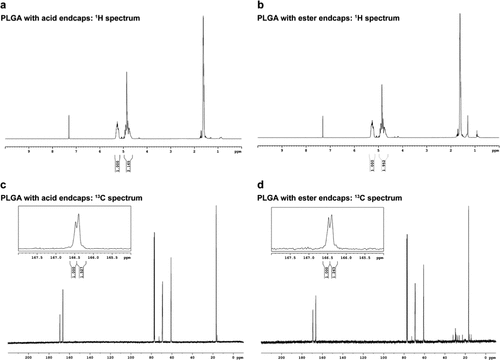
    Figure 2. 1H and 13C NMR spectra of the PLGA with different end-caps. 1H NMR spectra of PLGA with acid end-caps (a) and ester end-caps (b) were used to determine the L/G ratio of the PLGA. The peaks appearing at 166.5 ppm on 13C NMR spectra of PLGA with acid end-caps (c) and ester end-caps (d) were used to determine the blockiness of the PLGA.

    Figure 3

    Figure 3. In vitro release test of ISFIs. No drug: placebo formulation, LA: formulation with leuprolide acetate. LA and iohexol: formulation with both leuprolide acetate and iohexol. Cumulative release of NMP from the formulations with no drug (a), leuprolide acetate (b), and both leuprolide acetate and iohexol (c). Cumulative release of leuprolide acetate from the formulations with leuprolide acetate (d) and both leuprolide acetate and iohexol (e). Cumulative release of iohexol from the formulation with both leuprolide acetate and iohexol (f). All error bars are equivalent (SD positive and negative values) and represent standard deviation with n = 3.

    Figure 4
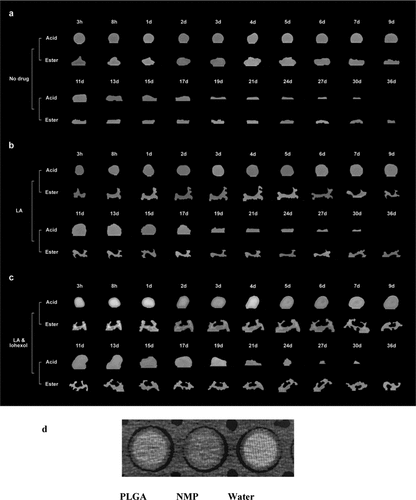
    Figure 4. CT images of in vitro-formed implants. Representative transaxial sections of the 3D CT images collected for each implant at each time point (n = 3 per formulation). CT images of in vitro-formed implants from the formulations with no drug (a), only leuprolide acetate (b), and both leuprolide acetate and iohexol (c), PLGA, solvent (NMP), and water (d).

    Figure 5

    Figure 5. Volumes and weights of in vitro-formed implants. Volumes and weights of in vitro-formed implants with no drug (a), only leuprolide acetate (b), and both leuprolide acetate and iohexol (c). All error bars are equivalent (SD positive and negative values) and represent standard deviation with n = 3.

    Figure 6

    Figure 6. MWs change of the PLGA from in vitro-formed implants. Acid and ester represent the end-cap of PLGA. No drug: placebo formulation, LA: formulation with only leuprolide acetate. Iohexol and LA: formulation with both iohexol and leuprolide acetate. All error bars are equivalent (SD positive and negative values) and represent standard deviation with n = 3.

    Figure 7

    Figure 7. SEM images of in vitro-formed implants. Representative SEM images of the core and the shell of in vitro-formed implants in PBS after 7, 15, and 21 days of incubation. Representative images are shown, the regions of core and edge of each implant were scanned, three different implants were analyzed for each time point and formulation. (a) SEM images of the core of the polymer matrix. (b) SEM images of the edge of the polymer matrix. The scale bar represents 100 μm.

    Figure 8

    Figure 8. Porosity of the microstructure of in vitro-formed implants. Porosity of the microstructure was quantified by ImageJ. Porosity of the core and the edge of in vitro-formed implants after 7 (a), 15 (b), and 21 days (c) are shown in the figure (“*” means P < 0.05).

    Figure 9

    Figure 9. CT images of in vivo-formed implants. Representative coronal sections of the 3D CT images were collected for each implant at each time point (n = 5 per formulation). Iohexol: formulation with only iohexol, iohexol and LA: formulation with both iohexol and leuprolide acetate.

  • References


    This article references 26 other publications.

    1. 1
      O’Brien, M. N.; Jiang, W.; Wang, Y.; Loffredo, D. M. Challenges and opportunities in the development of complex generic long-acting injectable drug products. J. Controlled Release 2021, 336, 144158,  DOI: 10.1016/j.jconrel.2021.06.017
    2. 2
      Thakur, R. R.; McMillan, H. L.; Jones, D. S. Solvent induced phase inversion-based in situ forming controlled release drug delivery implants. J. Controlled Release 2014, 176, 823,  DOI: 10.1016/j.jconrel.2013.12.020
    3. 3
      Benhabbour, S. R. Ultra-long-acting tunable biodegradable and removable controlled release implants for drug delivery. Nat. Commun. 2019, 10, 4324,  DOI: 10.1038/s41467-019-12141-5
    4. 4
      Wang, X.; Burgess, D. J. Drug release from in situ forming implants and advances in release testing. Adv. Drug Delivery Rev. 2021, 178, 113912,  DOI: 10.1016/j.addr.2021.113912
    5. 5
      Park, K. PLGA-based long-acting injectable (LAI) formulations. J. Controlled Release 2025, 382, 113758,  DOI: 10.1016/j.jconrel.2025.113758
    6. 6
      Ibrahim, T. M.; El-Megrab, N. A.; El-Nahas, H. M. An overview of PLGA in-situ forming implants based on solvent exchange technique: effect of formulation components and characterization. Pharm. Dev. Technol. 2021, 26, 709728,  DOI: 10.1080/10837450.2021.1944207
    7. 7
      Parent, M. PLGA in situ implants formed by phase inversion: critical physicochemical parameters to modulate drug release. J. Controlled Release 2013, 172, 292304,  DOI: 10.1016/j.jconrel.2013.08.024
    8. 8
      Kempe, S.; Mader, K. In situ forming implants - an attractive formulation principle for parenteral depot formulations. J. Controlled Release 2012, 161, 668679,  DOI: 10.1016/j.jconrel.2012.04.016
    9. 9
      Suh, M. S. Effect of implant formation on drug release kinetics of in situ forming implants. Int. J. Pharm. 2021, 592, 120105,  DOI: 10.1016/j.ijpharm.2020.120105
    10. 10
      Sophocleous, A. M. The nature of peptide interactions with acid end-group PLGAs and facile aqueous-based microencapsulation of therapeutic peptides. J. Controlled Release 2013, 172, 662670,  DOI: 10.1016/j.jconrel.2013.08.295
    11. 11
      Rapier, C. E.; Shea, K. J.; Lee, A. P. Investigating PLGA microparticle swelling behavior reveals an interplay of expansive intermolecular forces. Sci. Rep. 2021, 11, 14512,  DOI: 10.1038/s41598-021-93785-6
    12. 12
      Sun, J.; Walker, J.; Beck-Broichsitter, M.; Schwendeman, S. P. Characterization of commercial PLGAs by NMR spectroscopy. Drug Delivery Transl. Res. 2022, 12, 720729,  DOI: 10.1007/s13346-021-01023-3
    13. 13
      Wang, X. In situ forming risperidone implants: Effect of PLGA attributes on product performance. J. Controlled Release 2023, 361, 777791,  DOI: 10.1016/j.jconrel.2023.08.029
    14. 14
      Wan, B.; Bao, Q.; Wang, R.; Burgess, D. J. Polymer source affects in vitro-in vivo correlation of leuprolide acetate PLGA microspheres. Int. J. Pharm. 2022, 625, 122032,  DOI: 10.1016/j.ijpharm.2022.122032
    15. 15
      Wang, X.; Wang, R.; Roy, M.; Kwok, O.; Burgess, D. J. Long-acting injectable in situ forming implants: Impact of polymer attributes and API. Int. J. Pharm. 2025, 670, 125080,  DOI: 10.1016/j.ijpharm.2024.125080
    16. 16
      Beig, A. Physical-Chemical Characterization of Octreotide Encapsulated in Commercial Glucose-Star PLGA Microspheres. Mol. Pharmaceutics 2020, 17, 41414151,  DOI: 10.1021/acs.molpharmaceut.0c00619
    17. 17
      Wang, J.; Helder, L.; Shao, J.; Jansen, J. A.; Yang, M.; Yang, F. Encapsulation and release of doxycycline from electrospray-generated PLGA microspheres: Effect of polymer end groups. Int. J. Pharm. 2019, 564, 19,  DOI: 10.1016/j.ijpharm.2019.04.023
    18. 18
      Black, C. pH-Dependent Protein Chemical Degradation as a Representation of Effective pH Around Proteins Within Polymer-Based Sustained Release Formulations. J. Pharm. Sci. 2025, 114, 103963,  DOI: 10.1016/j.xphs.2025.103963
    19. 19
      Lin, X.; O’Reilly Beringhs, A.; Lu, X. Applications of Nanoparticle-Antibody Conjugates in Immunoassays and Tumor Imaging. AAPS J. 2021, 23, 43,  DOI: 10.1208/s12248-021-00561-5
    20. 20
      Lin, E.; Alessio, A. What are the basic concepts of temporal, contrast, and spatial resolution in cardiac CT?. J. Cardiovasc. Comput. Tomogr. 2009, 3, 403408,  DOI: 10.1016/j.jcct.2009.07.003
    21. 21
      Lin, X. Implant dynamics, inner structure, and their impact on drug release of in situ forming implants uncovered through CT imaging. J. Controlled Release 2024, 375, 802811,  DOI: 10.1016/j.jconrel.2024.09.045
    22. 22
      Saha, S. Evaluation of the impact of the polymer end groups and molecular weight on in vitro and in vivo performances of PLGA based in situ forming implants for ketoprofen. J. Pharm. Sci. 2025, 114, 424,  DOI: 10.1016/j.xphs.2024.10.019
    23. 23
      Li, J.; Nemes, P.; Guo, J. Mapping intermediate degradation products of poly(lactic-co-glycolic acid) in vitro. J. Biomed. Mater. Res., Part B 2018, 106, 11291137,  DOI: 10.1002/jbm.b.33920
    24. 24
      Saraf, I. Influence of PLGA End Groups on the Release Profile of Dexamethasone from Ocular Implants. Mol. Pharmaceutics 2023, 20, 13071322,  DOI: 10.1021/acs.molpharmaceut.2c00945
    25. 25
      Wu, X. S.; Wang, N. Synthesis, characterization, biodegradation, and drug delivery application of biodegradable lactic/glycolic acid polymers. Part II: biodegradation. J. Biomater. Sci., Polym. Ed. 2001, 12, 2134,  DOI: 10.1163/156856201744425
    26. 26
      Fredenberg, S.; Wahlgren, M.; Reslow, M.; Axelsson, A. The mechanisms of drug release in poly(lactic-co-glycolic acid)-based drug delivery systems─A review. Int. J. Pharm. 2011, 415, 3452,  DOI: 10.1016/j.ijpharm.2011.05.049