ACS Editors’ Choice
Description:
Degradable Vinyl-Based Polymers by Radical Ring-Opening Polymerization: A User Guide
- Bastien Luzel
- ,
- Sophia Kouider
- ,
- Franck D’Agosto
- ,
- Didier Gigmes
- ,
- Muriel Lansalot
- ,
- Christopher M. Bates
- ,
- Elise Ackerman
- ,
- Steven Labalme
- ,
- Jeremiah A. Johnson
- ,
- Jia Niu
- ,
- Julien Nicolas
- ,
- Yohann Guillaneuf*
- , and
- Catherine Lefay*
This publication is Open Access under the license indicated.Learn More
ACS Editors' Choice® is a collection designed to feature scientific articles of broad public interest. Read the latest articles
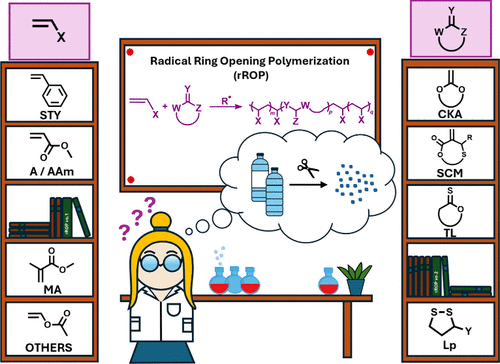
Low weight, low price, and excellent long-term stability are the main advantages of vinyl-based polymers. Such polymers are obtained by chain-growth processes leading to all-carbon backbones, which are non(bio)degradable and nonchemically recyclable. Unfortunately, this chemical stability manifests as postuse persistence; coupled with poor waste management practices, polymers including vinyl derivatives pose major environmental problems today. Given that it is very difficult and costly to design entirely new materials that have both desired properties (mechanical, thermal, solvent resistance, etc.) and recyclability and/or biodegradability at the end of their life cycle, it seems worthwhile to transform already known materials into (bio)degradable/chemically recyclable equivalents. One approach is based on the introduction of cleavable bonds into the polymer backbone, so that degradation (by hydrolysis, for example) produces oligomers which can then be further recycled and/or bioassimilated by micro-organisms. An effective method for incorporating weak bonds randomly into the C–C backbone of a vinyl polymer is the copolymerization of vinyl monomers with cyclic monomers by radical ring-opening polymerization (rROP). This method combines the advantages of ring-opening and radical polymerization, i.e., the production of polymers with heteroatoms and/or functional groups in the main chain, with the robustness, ease of use, and mild polymerization conditions of a radical process. The aim of this tutorial review is to provide polymer chemists with guidelines to use rROP to prepare vinyl-based materials with predictable degradation. This review thus presents the rROP principle, the main families of cyclic monomers copolymerizable with vinyl monomers, and the main applications of the resulting (bio)degradable/chemically recyclable materials (polymers for packaging, latexes and degradable surfaces, 3D printing, biomaterials and water-soluble polymers).
Multilevel Residual Complexity Analysis Reveals Origin of Nanomolar Antiviral Bioactives of “Isoquercitrin”
- Daniela Rebollar-Ramos
- ,
- Annie V. Roy
- ,
- J. Brent Friesen
- ,
- Guy Harris
- ,
- Shao-Nong Chen
- ,
- Michael Chan
- ,
- Shihua He
- ,
- Guodong Liu
- ,
- Wenjun Zhu
- ,
- Logan Banadyga
- ,
- James B. McAlpine
- ,
- Michel Chrétien
- ,
- Majambu Mbikay*
- , and
- Guido F. Pauli*
This publication is Open Access under the license indicated.Learn More
ACS Editors' Choice® is a collection designed to feature scientific articles of broad public interest. Read the latest articles

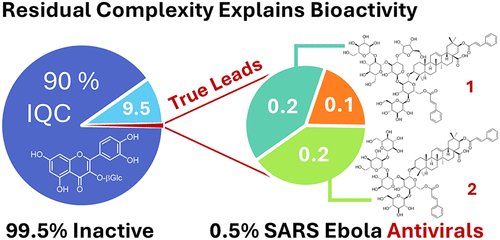
The remarkable reported in vitro and in vivo antiviral activity of a commercial, naturally derived, isoquercitrin sample (IQC90) against Ebola (EBOV), Zika virus (ZIKV), and SARS-CoV-2 could not be confirmed with a greater purity isoquercitrin (IQC). To resolve this discrepancy, IQC90 was subjected to a two-step, quantitative bioassay-guided fractionation employing countercurrent separation and gel filtration monitored by inhibition of syncytium formation in HEK293 cells transfected with SARS-CoV-2 spike protein and ACE2. This process revealed the IQC90 antiviral activity to be due to a new family of 21-hydroxyoleanane-3-O-oligosaccharides, named dicitriosides, present at <1 mol %, rather than IQC. The two dominant dicitriosides, the hexoside, dicitrioside A1 (1), and the pentoside, dicitrioside B1 (2), inhibited syncytia formation with an IC50 = 0.530 μM; 25-fold more active than IQC90 (IC50 = 12.8 μM). Beyond anti-SARS-CoV-2 activity, dicitrioside B1 (2) also prevented EBOV infection of Vero E6 cells, supporting the conclusion that the dicitriosides inherit the promising potential of IQC90 as antiviral leads for clinical translation. Ultrahigh field 1.1 GHz NMR spectroscopy, particularly 1D selective TOCSY experiments and nuclear genotyping via quantum-mechanical spin analysis, enabled structure elucidation and provided definitive reference points for the dicitriosides as complex oligoglycoside esters.
Role of the Electrolyte Concentration in Polysulfide Shuttle and Electrochemical Performance of Lithium–Sulfur Batteries
- Md Shahriar Nahian
- ,
- Arpan K. Sharma
- ,
- Bairav S. Vishnugopi
- ,
- JiYoung Seo
- ,
- Lirong Zhong
- ,
- Lili Shi
- , and
- Partha P. Mukherjee*
This publication is free to access through this site.Learn More
ACS Editors' Choice® is a collection designed to feature scientific articles of broad public interest. Read the latest articles
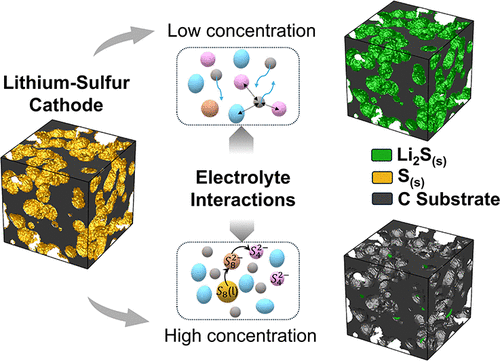
Lithium–sulfur (Li–S) batteries promise high energy density, yet their operation is constrained by a complex interplay of electrolyte, electrode, and interfacial processes. The electrolyte governs dissolution, redox kinetics, and ionic transport, serving as both the enabler and the bottleneck of cell performance. In this work, we develop a microstructure-coupled mechanistic framework to examine how the electrolyte concentration, volume, and solvation strength jointly regulate charge-carrier availability, ionic mobility, and shuttle reactions. The analysis reveals distinct regimes defined by the competition among dissolution, transport, and conversion processes. The electrolyte-to-sulfur ratio and cathode porosity further modulate this balance, delineating a narrow, conductivity-optimal window where kinetics and transport remain coupled. Solvent solubility shifts this window: weak solvation impedes conversion, whereas excessive solvation accelerates shuttle losses. These insights establish a comprehensive conductivity-based design framework linking electrolyte chemistry, solvent properties, and cathode architecture for achieving high-efficiency and durable liquid Li–S batteries.
Bi(benzimidazole)-Based Super-Electron-Donors in Redox Polymers as Battery Electrode Materials
- Philipp Penert
- ,
- Bernd Schulz
- ,
- Axel Florent
- ,
- Philippe Poizot
- , and
- Birgit Esser*
This publication is Open Access under the license indicated.Learn More
ACS Editors' Choice® is a collection designed to feature scientific articles of broad public interest. Read the latest articles

Organic electrode-active materials (OAMs) represent an alternative to (transition-) metal-based materials used in conventional battery cells. Reversibly oxidizable p-type OAMs allow realization of full-organic battery cells operating in an anion-rocking-chair mechanism. In the search for p-type materials with a low redox potential, so-called super-electron-donors (SEDs) are a promising class of molecules. Herein, we incorporate a bi(benzimidazole) (BBI)-based SED into three polymers, PBBI, a conjugated homopolymer, PSBBI as a styrene-based side-chain polymer, and X-PSBBI as its cross-linked counterpart. Their properties as potential OAMs in lithium–organic half-cells were investigated, and PBBI was found to be electrochemically inactive. The side-chain polymers showed reversible cycling behavior in binder-free powder electrodes in LiBF4-based electrolytes with a low charge/discharge potential of 2.1 V vs Li+/0, even though the accessible capacity quickly faded. As a possible degradation mechanism, we propose decomposition via a dicarbene species as a plausible, reactive key species. This study showcases bi(benzimidazole)s as redox-active groups in OAMs with a low redox potential and provides insight into challenges associated with obtaining reversible cycling behavior in battery electrodes.
PPO-GPR: A Custom Proximal Policy Optimization Tool for Active Reinforcement Learning
- Etinosa Osaro
- and
- Yamil J. Colón*
This publication is Open Access under the license indicated.Learn More
ACS Editors' Choice® is a collection designed to feature scientific articles of broad public interest. Read the latest articles

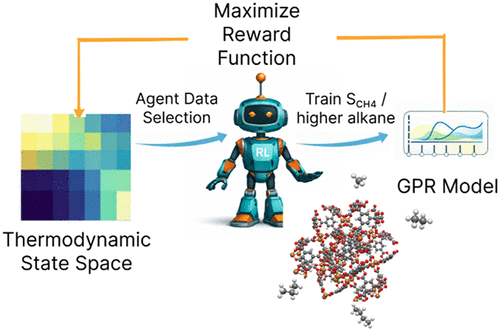
Efficient data selection is critical in domains where data acquisition is expensive and time-consuming, such as material science. In this work, we introduce a novel active learning framework that integrates proximal policy optimization (PPO) with Gaussian process regression (GPR) to strategically select informative data points and thereby enhance predictive modeling. Leveraging the inherent stability and sample efficiency of PPO, achieved through a clipped surrogate objective, the framework guides data acquisition via a custom-designed Gymnasium environment tailored for GPR. In this environment, the PPO agent dynamically chooses data points based on their potential to improve the GPR’s performance, as measured by the R2 score, while preventing redundancy through an action masking mechanism. We apply the proposed methodology to predict the selectivity of methane (CH4) over higher alkanes in metal–organic frameworks (MOFs), focusing on CuBTC and IRMOF-1. The framework is evaluated using both ternary and quaternary gas mixtures, where the performance of the GPR is assessed through metrics such as R2, mean absolute error (MAE), and root mean squared error (RMSE). Across CuBTC and IRMOF-1 in ternary and quaternary hydrocarbon mixtures, PPO-guided acquisition achieves 77–86% data savings relative to full GCMC grids, typically querying only ∼14–23% of the candidate pool while the clipped-update PPO policy converges stably by focusing selections in the pressure–temperature–composition regions where selectivity changes most rapidly. This work shows the potential of combining advanced reinforcement learning techniques with regression models to accelerate material discovery and optimize gas separation processes.
Atomic Precision in Personalized Oncology: AI-Designed Nanomedicines Enabling N-of-1 Cancer Therapy
- Miles Pourbaghi
- and
- Michelle S. Bradbury*
This publication is Open Access under the license indicated.Learn More
ACS Editors' Choice® is a collection designed to feature scientific articles of broad public interest. Read the latest articles

Rapid advances in AI-driven molecular design, intelligent nanomaterial engineering, and clinical AI systems are reshaping personalized cancer therapy by enabling coordinated innovation across biological scales, from genome regulation to functional protein interactions. At the molecular level, generative platforms such as AlphaProteo and RFdiffusion now support the rapid design of de novo protein binders with high predicted structural accuracy and low-nanomolar affinities. Acting upstream, AlphaGenome interprets genome-wide regulatory variation to predict how single-base changes in noncoding DNA alter gene control mechanisms, facilitating the prioritization of patient-specific pathways and therapeutic targets. Together, these capabilities are transforming computational design from a speculative approach to a reliable molecular engineering workflow. In parallel, clinically validated nanomedicine platforms provide modular architectures that enhance pharmacokinetics, improve therapeutic indices, and modulate tumor–immune interactions, addressing persistent barriers in solid tumor treatment. Integration with AI-enabled experimental platforms, patient-derived organoid systems, spatial and single-cell profiling, quantitative systems pharmacology models, and microfluidic GMP-compatible manufacturing suggests a feasible path toward accelerated, patient-matched nanomedicine development. While challenges remain─including immunogenicity and manufacturing constraints─the convergence of computation, materials engineering, and regulatory science supports a realistic roadmap toward N-of-1 oncology.
Lipid Nanoparticles with Side-Chain Polymer Coating for Targeted mRNA Delivery through Nanobody Attachment
- On Ting Choy
- ,
- Nicholas L. Fletcher
- ,
- Pie Huda
- ,
- Craig A. Bell
- ,
- David J. Owen
- , and
- Andrew K. Whittaker*
This publication is free to access through this site.Learn More
ACS Editors' Choice® is a collection designed to feature scientific articles of broad public interest. Read the latest articles
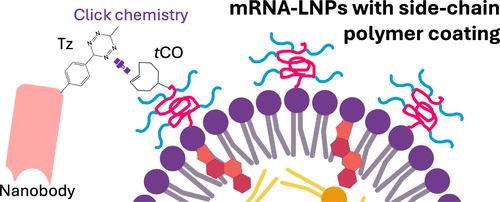
The use of mRNA therapies has innovated the clinical progress of cancer immunotherapy. However, current immunotherapeutic approaches are unable to achieve site- or immune-cell-specific delivery, resulting in adverse immune responses in off-target tissues. In addition, the commercial lipid nanoparticle (LNP) formulations with a poly(ethylene glycol) coating generally undergo significant hepatic accumulation during clearance. To promote site- and immune-cell-specific delivery of therapeutic mRNA-LNPs, we investigated several bioconjugation approaches to attach targeting antibodies onto the surface of polymer-functionalized mRNA-LNPs. Building on our previous work, side-chain sulfoxide polymer–lipid conjugate PMSEA-DSPE was used to incorporate a low-fouling polymeric LNP coating. trans-Cyclooctene functionality was incorporated within PMSEA-DSPE end groups to allow conjugation to the tetrazine-functionalized nanobody 9G8 for EGFR targeting. Bioconjugation methods were compared, including direct conjugation and post-insertion. The results showed that 9G8-attached PMSEA mRNA-LNPs prepared via direct conjugation significantly enhanced cell association and in vitro transfection efficiency with an EGFR-positive cell line, demonstrating the potency of active targeting for mRNA-LNP platforms with side-chain polymer coatings.
Mechanical Detuning of Exciton–Phonon Resonance in WS2
- Álvaro Rodríguez*
- ,
- Carmen Munuera
- , and
- Andres Castellanos-Gomez
This publication is Open Access under the license indicated.Learn More
ACS Editors' Choice® is a collection designed to feature scientific articles of broad public interest. Read the latest articles
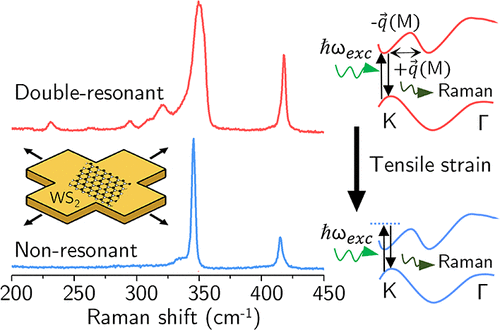
Controlling resonant Raman scattering in two-dimensional semiconductors typically requires tuning the excitation energy to match excitonic transitions. Here we show that mechanical deformation can achieve the same effect without changing the laser energy, enabling a controlled transition between resonant and nonresonant Raman scattering at fixed excitation. By applying biaxial strain of up to 1.3% to WS2, the B exciton is red-shifted by 180 meV. This large excitonic shift leads to a pronounced collapse of the double-resonant 2LA(M) mode under 532 nm excitation, quantitatively described by a resonance model formulated in terms of the B exciton energy. Meanwhile, first-order phonons remain narrow and reversible, confirming elastic deformation and efficient strain transfer. These results establish mechanical strain as an effective knob to control exciton–phonon-mediated light–matter interactions. They enable deterministic and reversible tuning of resonance-enhanced Raman scattering and excitonic optical responses in layered semiconductors.
Fine-Tuning of Label-Free Single-Cell Proteomics Workflows
- Pauline Perdu-Alloy
- ,
- Charline Keller
- ,
- Anjali Seth
- , and
- Christine Carapito*
This publication is free to access through this site.Learn More
ACS Editors' Choice® is a collection designed to feature scientific articles of broad public interest. Read the latest articles
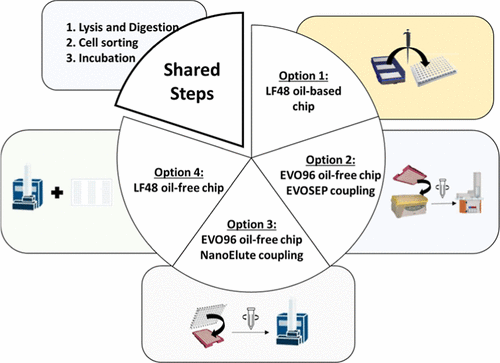
Mass spectrometry-based single-cell proteomics emerges as the most promising method for studying cellular heterogeneity at the global proteome level with unprecedented depth and coverage. Its widespread application remains limited due to robustness, reproducibility, and throughput requirements, still difficult to meet as analyzing large cohorts of single cells is necessary to ensure statistical confidence. In this context, we conducted method optimizations at three levels. First, we benchmarked three distinct workflows compatible with the nanoElute2 platform using different sample collection/preparation plate supports (EVO96 oil-free, LF48 oil-based, and LF48 oil-free, a streamlined automated sample resuspension, and direct injection protocol). Then, we compared the optimized EVO96 workflow on nanoElute2 with Evosep-based separations operating at two analytical throughputs (80 and 120 samples per day). Subsequently, we evaluated digestion efficiency using a range of enzyme/protein ratios (1:1; 10:1; 20:1; 50:1) to maximize peptide recovery. Finally, the chromatographic setup was refined to determine the best compromise between throughput and robustness. Altogether, these optimizations allowed to establish a robust workflow quantifying up to 5000 proteins in 10 min gradient time per single HeLa cell at a 55 samples-per-day throughput.
Polar Opposites: Ligand-Mediated Polarity Inversion for Perovskite Quantum Dots with Sub-Nanometer Ligand Shells
- Fei He
- ,
- Lena S. Stickel
- ,
- Markus Döblinger
- , and
- Quinten A. Akkerman*
This publication is free to access through this site.Learn More
ACS Editors' Choice® is a collection designed to feature scientific articles of broad public interest. Read the latest articles
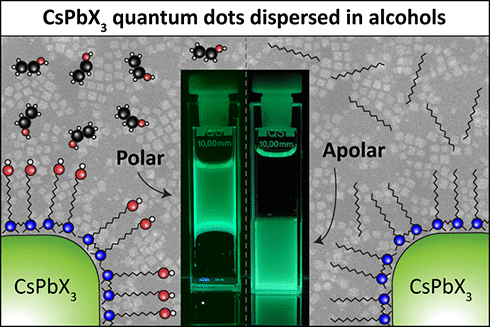
Perovskite quantum dots are promising classical and quantum light emitters but have limited chemical and colloidal stability in polar solvents due to their highly ionic lattices. In this work we demonstrate that perovskite quantum dots capped with strongly binding Gemini ligands with thin 0.7 nm hydroxyl-terminated ligands can be colloidally dispersed in polar solvents like ethanol.
Peptide-Based ROR1-Targeting PET Ligands for Melanoma Tumor Imaging: Design and Preclinical Evaluation
- Donglan Huang
- ,
- Xingru Long
- ,
- Li Zhong
- ,
- Yajing Wang
- ,
- Xuan Di
- ,
- Zihan Wang
- ,
- Shuhan Zhou
- ,
- Xiaoyu Du
- ,
- Yang Zhang*
- ,
- Hai Qian*
- ,
- Dawei Jiang*
- , and
- Hualong Fu*
This publication is free to access through this site.Learn More
ACS Editors' Choice® is a collection designed to feature scientific articles of broad public interest. Read the latest articles
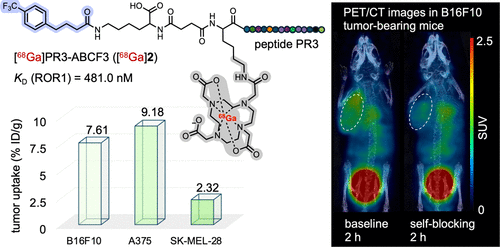
Receptor tyrosine kinase-like orphan receptor 1 (ROR1) is overexpressed in multiple cancers while remaining largely absent in adult tissues, which makes it an attractive target for both tumor diagnosis and therapy. To enable noninvasive imaging of ROR1, four peptide-based PET ligands [68Ga]1–4 were rationally designed and evaluated for melanoma imaging. In vitro assays confirmed reasonable ROR1 binding affinity (KD = 481.0 and 44.9 nM, respectively) and specific cellular uptake of [68Ga]2 and [68Ga]3, which are functionalized with serum albumin-binding groups. Notably, microPET/CT imaging and biodistribution studies in B16F10, A375, and SK-MEL-28 tumor-bearing mice demonstrated that [68Ga]2 achieved the most favorable imaging performance, characterized by high tumor accumulation (up to 9.18% ID/g), sustained retention, and a relatively lower nonspecific background signal. These findings highlight [68Ga]2 as a promising candidate for ROR1-targeting PET imaging and underscore the potential of peptide-based ROR1 PET probes for tumor imaging and therapy guidance.
Recyclable Photopolymers for Sustainable 3D Printing
- Qirui Wu
- ,
- Youyi Sun*
- , and
- Si Wu*
This publication is Open Access under the license indicated.Learn More
ACS Editors' Choice® is a collection designed to feature scientific articles of broad public interest. Read the latest articles
The use of photopolymers for 3D printing facilitates high-precision fabrication of geometrically complex structures, offering exceptional dimensional accuracy and rapid curing capabilities that position it as a cornerstone of modern additive manufacturing. However, conventional photopolymers form permanently crosslinked networks, which are resistant to recycling. This inherent limitation generates persistent waste streams that are fundamentally incompatible with circular economy principles. Consequently, the development of recyclable photopolymers that maintain printability while enabling closed-loop material recovery represents a critical Frontier for sustainable manufacturing. Advancing these materials will remain essential for reconciling technological progress with environmental stewardship in the foreseeable future. This review examines recent breakthroughs in recyclable photopolymer systems for 3D printing. First, mainstream photopolymerization techniques compatible with recyclable materials are outlined, followed by an elucidation of core design strategies incorporating chemical depolymerization, thermo-mechanical reprocessing, and noncovalent interactions. Fundamental recycling mechanisms are detailed alongside performance modulation methodologies. Furthermore, emerging applications in soft robotics, wearable devices, and bioelectronic devices where recyclable photopolymers enable multifunctional devices are highlighted. Finally, persistent challenges regarding network durability and recycling efficiency are addressed, and future research directions toward truly sustainable 3D printing are proposed.
Integrated iPRISM Direct-on-Urine Platform for Rapid UTI Diagnosis in a Double-Blind Clinical Trial
- Xin Jiang
- ,
- Ramy Fishler
- ,
- Gali Ron
- ,
- Keren Boguslavsky
- ,
- Sarel Halachmi
- , and
- Ester Segal*
This publication is Open Access under the license indicated.Learn More
ACS Editors' Choice® is a collection designed to feature scientific articles of broad public interest. Read the latest articles
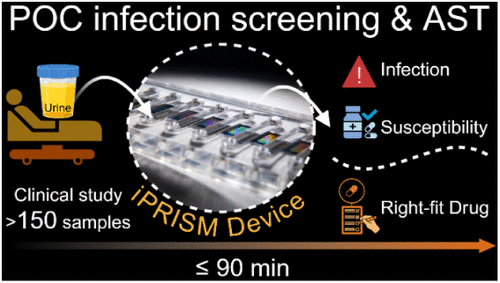
Rapid point-of-care (POC) diagnostics for urinary tract infections (UTIs) are critical for targeted therapy and antibiotic stewardship. We report the first double-blind study of a POC diagnostic system for UTI detection and phenotypic antimicrobial susceptibility testing (AST), using the label-free, real-time iPRISM platform (intensity-based phase-shift reflectometric interference spectroscopic measurement), which traps and grows bacteria on photonic silicon chips. In this near-patient study, unprocessed urine samples were tested in a single-use microfluidic device that integrates both infection screening and AST. Infection screening achieved 97% sensitivity and 60% specificity within 90 min; threshold optimization at 75 min improved performance to 81% specificity and 82% sensitivity. For AST, iPRISM correctly classified 100% of gentamicin-exposed samples in just 30 min and achieved 62% sensitivity and 87% specificity for ciprofloxacin within 90 min. Notably, our preliminary data also demonstrate the potential to differentiate between fungal and bacterial infections, thereby broadening its diagnostic applicability. iPRISM delivers clinically actionable results within a relevant time frame, enabling single-visit prescriptions and supporting personalized, data-driven UTI management.
Synthetic Carbon Nanobionic Interfaces for Enhancement of Plant Photosynthetic Efficiency
- Konstantinos T. Kotoulas
- ,
- Thomas Hinton
- ,
- Michael Zachariadis
- ,
- George Kinman
- ,
- Konstantinos Spyrou
- ,
- James Hall
- ,
- Robert H. Morris
- ,
- Angela S. Kaloudi
- ,
- Yunhong Jiang
- ,
- Andrew D. Burrows
- ,
- Gareth W. V. Cave
- , and
- Ming Xie*
This publication is Open Access under the license indicated.Learn More
ACS Editors' Choice® is a collection designed to feature scientific articles of broad public interest. Read the latest articles
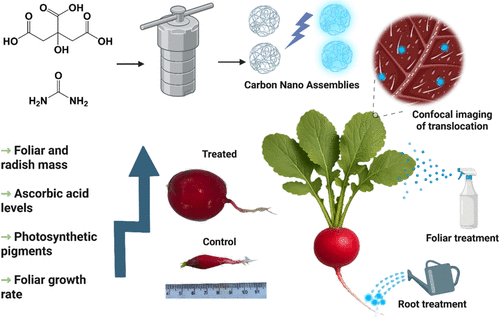
Boosting the photosynthetic efficiency remains a critical challenge for sustainable crop productivity. In this study, the design, synthesis, and functional evaluation of two carbon-based nanomaterials are reported: a fluorescent carbon nanoassembly (Compound 1) derived from citric acid and urea, and a cerium-incorporated variant (Compound 2) incorporating redox-active cerium oxide domains. Comprehensive characterization confirmed the formation of nanostructured materials with tunable optical properties, surface functionalities, and crystalline features. Both compounds exhibited strong UV-A absorbance and blue photoluminescence, with Compound 2 showing enhanced emission and additional red-shifted features due to cerium integration. Greenhouse trials usingRaphanus sativus as a model plant revealed significant improvements in biomass, pigment concentration, and ascorbic acid levels in the treated plants. Confocal microscopy and inductively coupled plasma mass spectrometry confirmed nanoparticle uptake and translocation, while flow cytometry revealed altered chloroplast fluorescence, supporting functional interaction at the organelle level. Together, these results establish carbon-based nanobionics as a promising platform for photonic enhancement of photosynthesis, offering new opportunities for advanced bioagricultural applications.
Native Chemical Ligation of Peptoid Oligomers
- Matthew R. Seraydarian
- ,
- Michael D. Connolly
- ,
- Ronald N. Zuckermann
- , and
- Kent Kirshenbaum*
This publication is Open Access under the license indicated.Learn More
ACS Editors' Choice® is a collection designed to feature scientific articles of broad public interest. Read the latest articles
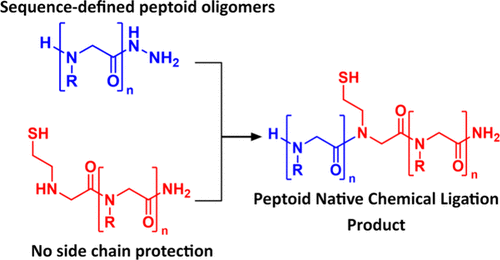
Bioorganic chemists are inspired by natural biopolymers to design peptidomimetic oligomers that can exhibit sequence-structure–function relationships. Biomimetic polymers can be synthesized to incorporate a specific sequence of nonbiological monomer units using a variety of iterative solution-phase or solid-phase reaction schemes. These protocols generally provide access to a vast diversity of oligomeric compounds but are limited with respect to their ability to attain protein-like chain lengths. This constraint can preclude access to sequence-defined synthetic macromolecules with sufficient sizes required to exhibit tertiary structure and other protein-mimetic attributes. In contrast, peptide chemists have overcome this limitation by developing convergent synthetic methods, such as native chemical ligation, to join individual, smaller peptide chains together to make larger peptides or full proteins. A similar convergent approach is needed to establish efficient synthetic routes to non-natural sequence-defined macromolecules. Herein, we adapt the peptide native chemical ligation method to peptoid oligomers, demonstrating how short chains can be conjoined to create sequence-defined peptoid macromolecules. Nanosheet-forming peptoid polymers with distinct surface loop display domains were generated by sequential ligation of several discrete fragments. This method provides a reliable convergent ligation route for sequence-defined polypeptoids that results in a native amide bond joining the fragments. We envision that this strategy will be useful in synthesizing peptoid-based proteomimetics that incorporate diverse chemical features.
Design of Side-Chain Fluorinated Polyethers Featuring Predefined Breaking Points for Fluorosurfactant Applications
- Tom Reimers
- ,
- Larissa Limmer
- ,
- Gregor M. Linden
- ,
- Johannes Liermann
- ,
- Reiner Friedrich
- , and
- Holger Frey*
This publication is Open Access under the license indicated.Learn More
ACS Editors' Choice® is a collection designed to feature scientific articles of broad public interest. Read the latest articles
Fluorosurfactants are an integral part of many industrial processes due to their unparalleled surface activity and high water and oil repellency and can be found in a wide range of consumer products. However, their lack of biodegradability causes great environmental concern and has led to increased regulatory action in recent years. In the search for alternatives, perfluoropropyl vinyl ether was recently identified as a promising building block with an improved ecological profile regarding degradation and accumulation. Here, we utilized short-chain perfluoropropyl vinyl ether (PPVE) or perfluoromethyl vinyl ether (PMVE) as precursors to construct polyether-based fluorosurfactants through copolymerization with hydrophilic comonomers. Surfactant properties and overall fluorine content per molecule could be easily adjusted by changing the comonomer feed. The surface activity was investigated in aqueous solution via tensiometry and was found to be competitive with both legacy PFAS such as perfluorooctanesulfonic acid and current state-of-the-art small molecule fluorosurfactants (γstat ≥ 20.35 mN m–1). These findings illustrate the potential of amphiphilic copolymers as a modular, straightforward, and versatile platform for next-generation fluorosurfactants as an alternative to long-chain legacy PFAS.
ORCA Meets Python─The ORCA Python Interface OPI
- Tim Tetenberg
- ,
- Hagen Neugebauer*
- ,
- Christoph Plett
- ,
- Nakul Santhosh
- ,
- Markus Bursch*
- , and
- Christoph Riplinger*
This publication is free to access through this site.Learn More
ACS Editors' Choice® is a collection designed to feature scientific articles of broad public interest. Read the latest articles
The ORCA program suite is one of the most widely used quantum chemistry software packages. It features a wide range of electronic structure methods and algorithms for the prediction of molecular chemical properties, reactivity, and spectroscopy. In this paper, we present a fully featured ORCA Python Interface termed OPI to drastically increase the accessibility of ORCA’s method portfolio and enable efficient automation of quantum chemical workflows. OPI is an open-source Python library that provides straightforward low-level access to ORCA’s input, execution, and output with a few lines of Python code. In the following, we introduce OPI version 2.0 and its key features, also outlining its general architecture. In addition, we demonstrate its application through several diverse examples of quantum chemical workflows. These examples include a system-dependent optimal-tuning procedure for range-separated hybrid functionals, generation of training data for machine learning purposes, orbital localization and visualization for chemical education, and calculations with density functional ensembles. Finally, we outline the current status of OPI and future plans for its development. OPI is compatible with ORCA ≥ 6.1.1 and Python ≥ 3.11. The project, its code, and its including documentation are available at https://github.com/faccts/opi. OPI is also available through PyPI (https://pypi.org/project/orca-pi).
Unveiling the Activation Mechanism of Glucagon-Like Peptide-1 Receptor by an Ago-Allosteric Modulator via Molecular Dynamics Simulations
- Yue Chen*
- ,
- Junhao Li
- ,
- Lucie Delemotte
- , and
- Yuguang Mu*
This publication is free to access through this site.Learn More
ACS Editors' Choice® is a collection designed to feature scientific articles of broad public interest. Read the latest articles
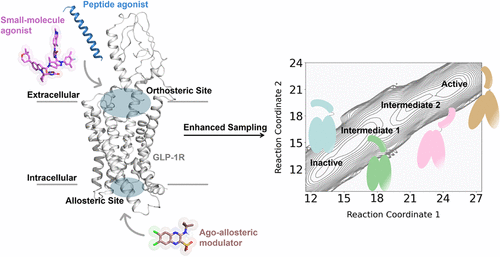
The glucagon-like peptide-1 receptor (GLP-1R) is a key therapeutic target for metabolic disorders, particularly type 2 diabetes and obesity. Although current treatments are effective, their unavoidable side effects continue to drive the search for novel therapeutic strategies. Ago-allosteric modulators (ago-PAMs), which act as agonists on their own while enhancing the affinity and efficacy of orthosteric agonists, represent a promising avenue to overcome limitations associated with traditional peptide-based therapies. However, the molecular mechanisms by which ago-PAMs modulate GLP-1R activation remain poorly understood. In this work, we selected compound 2, a validated ago-PAM of GLP-1R, as a probe to explore these mechanisms at the atomic level. Using molecular dynamics (MD) simulations, we elucidate how compound 2 stabilizes the active conformation of GLP-1R through allosteric binding and reveal distinct pathways by which it enhances the binding of both peptide and non-peptide orthosteric agonists. Enhanced sampling simulations further provided a comprehensive conformational landscape of GLP-1R activation, identifying two intermediate states that bridge inactive and active conformations. Compound 2 was found to bias the receptor toward active-like ensembles, consistent with its intrinsic agonist activity. Together, our findings provide mechanistic insights into ago-allosteric modulation of GLP-1R, offering useful information for the rational design of small-molecule modulators with improved therapeutic profiles.
Molecular Steric Engineering Enables High-Strength and Self-Healing Polyurethane Elastomer for Flexible and Sensitive Nanosensors
- Shudiao Wei
- ,
- Weile Guo
- ,
- Aiqin Li
- ,
- Menglan Lv*
- ,
- Lingli Kong
- ,
- Chuanhui Xu
- ,
- Ting Gu
- , and
- Bin Zhang*
This publication is free to access through this site.Learn More
ACS Editors' Choice® is a collection designed to feature scientific articles of broad public interest. Read the latest articles
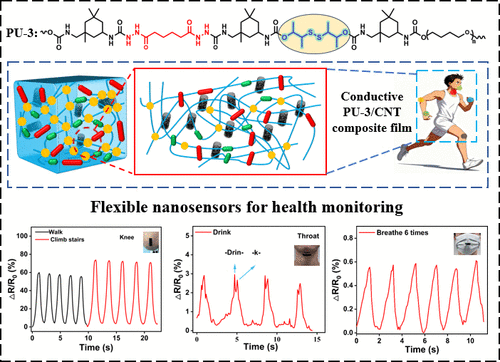
Acquiring a versatile polyurethane (PU) elastomer with both high mechanical properties and rapid low-temperature healing for flexible nanosensors represents a significant challenge. Inspired by the synergistic effects of dynamic bonds, we introduce the dynamic sextuple hydrogen bonds (H-bonds) from adipic dihydrazide (AD) and flexible dynamic disulfide bonds (S–S bonds) from the chain extender 3,3′-dithiobis(2-butanol) (DS) into PU main chains to fabricate a high-performance elastomer (PU-3) with remarkable mechanical robustness and rapid self-healing capability. Specifically, AD imparts PU-3 with an exceptional tensile strength of 40.5 MPa and a toughness of 287.8 MJ m–3. A 1.1 g sample (50 mm × 10 mm × 1.3 mm) supports loads up to 11,000 times its own weight. In addition, the excellent DS unit, featuring four branched methyl groups with a substantially larger molecular volume, renders the PU-3 more flexible with an outstanding elongation at break of 1445.2%. Moreover, PU-3 exhibits excellent resilience, self-healing efficiency, and recyclability. As a result, a flexible polymer/carbon nanotube composite nanosensor is constructed from this elastomer matrix and multiwalled carboxylated carbon nanotubes (MWCNTs-COOH) as the conductive filler, exhibiting outstanding sensitivity and rapid response and recovery capabilities, thereby highlighting its potential for applications in health monitoring and intelligent wearable electronics.
Direct Observation of Metastable Fragment Ions in Ultraviolet Photodissociation of Ubiquitin
- Fanny C. Liu
- ,
- Jusung Lee
- ,
- Kaira A. Mayberry
- ,
- Mark E. Ridgeway
- ,
- Christopher A. Wootton
- ,
- Alina Theisen
- ,
- Erin M. Panczyk
- ,
- Benjamin J. Jones
- ,
- Lea Nienhaus
- ,
- Melvin A. Park
- , and
- Christian Bleiholder*
This publication is free to access through this site.Learn More
ACS Editors' Choice® is a collection designed to feature scientific articles of broad public interest. Read the latest articles
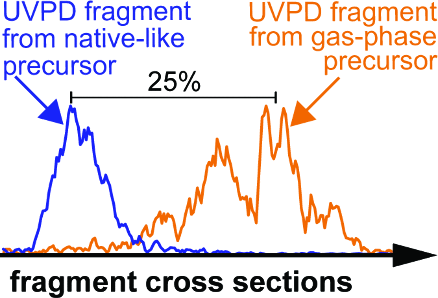
Ultraviolet photodissociation (UVPD) of proteins is known to exhibit conformation-dependent fragmentation patterns, but direct structural evidence linking precursor protein and fragment ions has been limited. Here, we apply tandem trapped-ion mobility spectrometry/tandem-mass spectrometry to compare collision cross sections of UVPD fragment ions generated from distinct conformers of ubiquitin. Under the high-pressure (∼4 mbar) and low-photon density (∼10 μJ laser pulse energies) conditions employed here, UVPD produces predominantly [b + 2] and [y – 2] ions at proline residues, consistent with direct bond cleavage from the electronically excited state. Our data show that these ions can retain a clear structural relationship to the precursor conformation: UVPD of compact, native-like ubiquitin yields fragments with collision cross sections ∼20% smaller than the corresponding ions produced from extended precursors or by collision-induced dissociation. Further, these compact UVPD fragments are kinetically trapped in metastable conformations, with substantial barriers preventing relaxation toward energetically favored gas-phase structures. We attribute this behavior to limited vibrational energy deposition per absorbed 213 nm photon combined with rapid collisional cooling, which suppress cumulative thermal activation and disfavor statistical fragmentation pathways, leaving direct excited-state dissociation as the dominant observable process. Together with prior UVPD studies on holo-myoglobin, our results suggest that UVPD fragments can retain aspects of their precursor tertiary structure.