

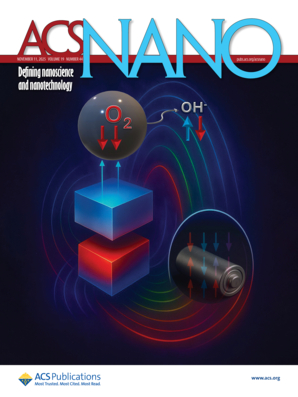
About the Cover:
Editorials
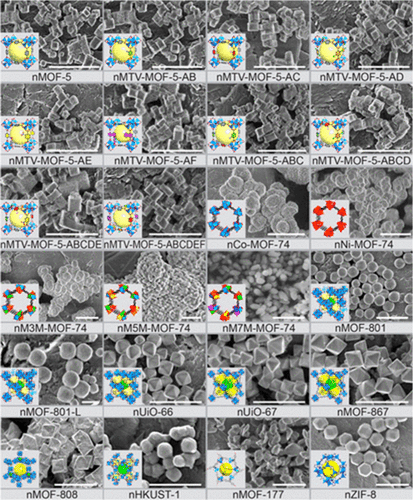
A New Landmark for Reticular Chemistry: Celebrating the Nobel Prize for Metal–Organic Frameworks
Jill E. Millstone *- ,
Jillian M. Buriak - ,
Xiaodong Chen - ,
Luis M. Liz-Marzán - , and
Raymond E. Schaak

This publication is free to access through this site. Learn More
Reviews

Artificial Intelligence-Powered Raman Spectroscopy through Open Science and FAIR Principles
Nicolas Coca-Lopez *- ,
Victor Alcolea-Rodriguez - ,
Miguel A. Bañares - ,
Sandor Brockhauser - ,
Julien Gorenflot - ,
Alex Henderson - ,
Ron Hildebrandt - ,
Nina Jeliazkova - ,
Nikolay Kochev - ,
Enrique Lozano Diz - ,
Zdenek Pilat - ,
Dario Polli - ,
Philip Strömert - ,
Chris Sturm - ,
Renzo Vanna - , and
Raquel Portela *

This publication is Open Access under the license indicated. Learn More
Raman spectroscopy is a fast-growing and increasingly powerful analytical technique applied across diverse disciplines such as materials science, chemistry, biology and medicine. This growth is driven by advances in Raman instrumentation and greatly supported by the flourishing of chemometrics and artificial intelligence (AI). However, the full potential of this technique is often hampered by challenges related to data acquisition, processing, interpretation, and sharing. This review paper addresses how a concerted effort toward digitalization, incorporating principles of Open Science and FAIR data (Findable, Accessible, Interoperable, and Reusable), is essential to develop and implement robust, standardized, and accessible digital workflows. These workflows are key to unlock the full power of Raman spectroscopy in combination with AI. We explore the current landscape of digital tools and open resources in Raman spectroscopy, highlighting both existing solutions as well as critical gaps. Despite these advances, the field remains fragmented, with many initiatives developed in isolation, limiting interoperability and slowing progress. In this regard, we assess the trends in Raman spectroscopy hardware and control software as well as the role of AI in improving data collection, automating data analysis, extracting meaningful insights, and enabling predictive modeling. We review challenges such as data quality and model interpretability that constrain the effectiveness and applicability of AI in Raman spectroscopy. Furthermore, we emphasize the importance of standardized data formats, metadata schemas, and domain-specific ontologies to ensure machine-actionability, database federation and interoperability as well as to facilitate collaborative research. We provide curated lists of existing open hardware, databases and standards relevant to Raman spectroscopy. Finally, we propose a roadmap toward an open and FAIR ecosystem for Raman spectroscopy, emphasizing the need for sustainable infrastructure, collaborative development, and community involvement.
Articles
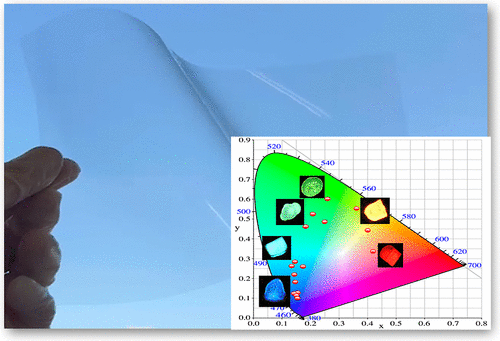
Organic Circularly Polarized Room-Temperature Phosphorescence Toolbox with Excellent Practicality and Functionality
Jingxuan You - ,
Runyu Tian - ,
Chunchun Yin - ,
Jinfeng Wang - ,
Jinming Zhang *- , and
Jun Zhang
Development of high-performance and practical circularly polarized room-temperature phosphorescent (CPRTP) materials continues to pose a significant challenge. Herein, we demonstrated a series of easy-to-scale organic RTP materials with circularly polarized luminescence, tunable responsiveness, high quantum yield, good flexibility, and excellent water resistance, achieved via a simple blending process with cyanoethyl cellulose (CEC) as the matrix. The cyano groups in CEC facilitated dipole–π interactions, while the hydroxyl groups provided hydrogen bonding interactions, collectively restricting the mobility of aromatic molecules and polymer chains to suppress the nonradiative transitions. By incorporation of different aromatic molecules, RTP materials with full-color emission were achieved from blue to cyan, yellow, orange, and red. These materials also exhibited irradiation-time dependence and visible-light excitation. Their phosphorescence performance was enhanced after acid treatment. The photoluminescence and phosphorescence quantum yields reached 40.0% and 13.3%, respectively. Using common polymer processing techniques, we fabricated large-area flexible RTP films and diverse phosphorescent 3D objects with good mechanical properties. More importantly, the materials had high stability, retaining phosphorescence performance even after immersion in water and salt solutions for 120 days. Such high-stable, flexible, easy-to-process, full-color, and high-performance CPRTP materials hold a huge potential in display, anticounterfeiting, and information encryption.
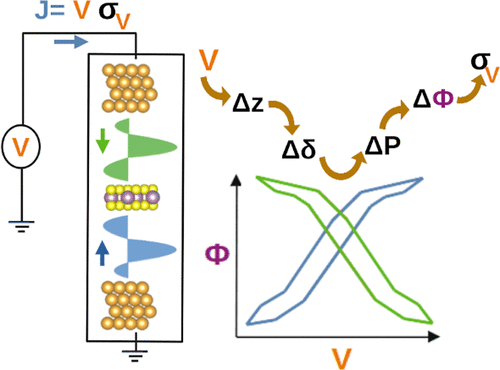
Effect of Electric Field on the Hysteresis and Switching Behavior of the MoS2/Au(111) Heterojunction
Roozbeh Anvari - ,
Deji Akinwande - , and
Wennie Wang *
It can be said that the interface is the device. A holistic understanding of interfacial interactions and electronic structure of 2D materials with electrodes is far from complete but is necessary for tailored electronic devices, including in memristors for neuromorphic computing. Here, we develop a computational protocol to study the hysteretic behavior and charge carrier transport mechanisms of the MoS2/Au(111) junction under applied electric fields using first-principles calculations. We show that even in the absence of defects, formation of conducting bridges, or significant atomic reconstruction, the pristine MoS2/Au(111) junction shows hysteresis in the induced polarization, the electron barrier heights, and the carrier transport. A primary finding from our calculations is the modulation of the Schottky barrier and electron tunneling barrier as a mechanism behind the resistive switching mechanism of the pristine MoS2/Au(111) junction. We also show that changes of interfacial dipole moments with an external electric field contribute to the memory effect by lowering the electron barriers. Our results indicate that in the absence of defects, electric-field-induced relaxation of the interlayer spacing provides the means for spontaneous polarization. Based on this understanding of the MoS2/Au(111) junction, we propose that a back-to-back double Schottky barrier ferroelectric tunnel junction diode can be used to phenomenologically model the characteristics of the MoS2/Au(111) heterojunction. Our study has implications for revealing the physical origins of the onset of hysteretic properties of heterostructures based on low-dimensional materials, providing a more complete understanding of the mechanisms in resistive switching.
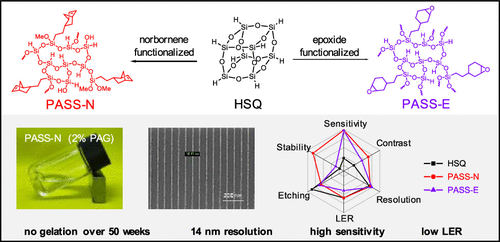
Norbornene and Epoxide-Substituted Silsesquioxane Photoresists with High-Sensitivity and Stability
Rui-Sheng Zhang - ,
Li Miao - ,
Xin-Yu Lu - ,
Qiang Li - ,
Feng Luo - ,
Hua-Yu Qiu *- , and
Guang-Peng Wu *
The evolution of photoresists has been accelerated by escalating demands for pattern fidelity, particularly with the breakthrough of extreme ultraviolet (EUV) lithography in achieving sub-20 nm resolution. Herein, we report two kinds of partially alkyl-substituted silsesquioxane (PASS) resists to overcome the dual challenges of hydrogen silsesquioxane (HSQ) in EUV applications: inherent instability and unsatisfactory sensitivity. Through strategic integration with a photoacid generator (PAG), the optimized formulation demonstrates exceptional lithographic performance, achieving 14 nm resolution (line edge roughness of 1.3 nm) with a sensitivity of 4.3 μC/cm2 and a contrast of 5.1 under electron beam lithography. Besides, the PASS resist exhibits a 360-day gelation period and a 160-fold improvement over conventional HSQ. Systematic investigations combining micro-Raman spectroscopy and model compound studies reveal that PAG enhances both sensitivity and shelf stability through dual mechanisms: (1) a photoacid-catalyzed cross-linking reaction between siloxanes and (2) nucleophilic attack inhibition at silicon centers. These advances, coupled with successful electron-beam and ultraviolet patterning demonstrations and structural tunability, establish PASS resists as viable candidates for EUV lithography in semiconductor nanofabrication.
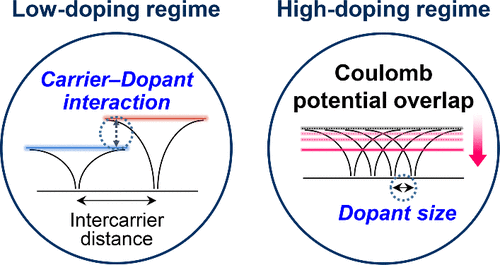
Electrostatic Control of Carrier–Dopant Interactions for Efficient Free Carrier Generation in Doped Conjugated Polymers
Jimin Kim - ,
Hyunji Lee - ,
Seung Hyun Kim - ,
Seong Hyeon Kim - ,
Sein Chung - ,
Eunsol Ok - , and
Kilwon Cho *
In molecularly doped conjugated polymers (CPs), weak dielectric screening leads to a high Coulomb binding energy of charge carriers within integer charge transfer complexes (ICTCs), resulting in a significantly low doping efficiency. Therefore, the Coulomb interaction between carriers and dopants, which determines the separation barrier for ICTC dissociation, is crucial for optimizing the electrical properties of CPs. In this study, the impact of carrier–dopant interactions on free carrier generation in doped CPs has been systematically demonstrated by decoupling the contributions of free carrier ratio and carrier mobility to electrical conductivity in doped poly(3-hexylthiophene-2,5-diyl) (P3HT) films. Our results demonstrate that carrier–dopant interactions and dopant size have opposing effects on charge dissociation depending on the doping level. In the low-doping regime, large dopants weaken the carrier–dopant interactions, thereby enhancing free carrier generation and conductivity. In the high-doping regime, Coulomb potential overlap effectively reduces the activation energy for ICTC dissociation, allowing small dopants with low steric hindrance to achieve a high saturation carrier density and conductivity. These findings offer fundamental insights into free carrier release in doped CPs and suggest a dopant selection strategy tailored to the target electrical conductivity of various organic electronic devices.
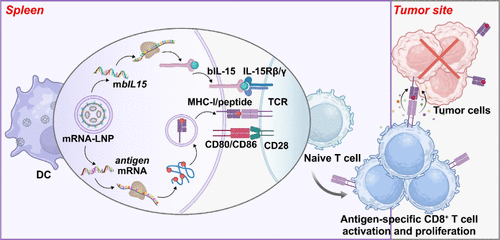
mRNA-Based Vaccination Drives in Vivo Dendritic Cell Reprogramming and Selective Cytotoxic T Lymphocyte Modulation for Enhanced Antitumor Immunity
Chenshuang Zhang - ,
William Stewart - ,
Yilong Teng - ,
Bin Hu - ,
Xiaoyang Xu *- , and
Xue-Qing Zhang *
Precisely engineering T cells for targeted tumor recognition and overcoming the insufficiency of antigen-specific T cells in vivo are major challenges in cancer immunotherapy. Here, we present a streamlined strategy termed VISIT (vaccine-initiated selective T cell modulation) that enables spatiotemporal modulation of cytotoxic T lymphocytes (CTLs) through in vivo dendritic cell (DC) reprogramming. This approach employs optimized lipid nanoparticles to preferentially deliver mRNAs to splenic DCs, enabling the simultaneous presentation of tumor antigens and the membrane-bound IL-15/IL-15Rα complex as a T cell booster on the DC surface, thereby promoting antigen-specific CTL activation and expansion while minimizing nonspecific immune activation. Prophylactic vaccination resulted in complete tumor rejection and the establishment of long-term immunological memory, providing effective protection against tumor rechallenge. In mice with established OVA expressing colon carcinoma and aggressive melanoma models, systemic vaccination maximized antigen-specific CTL responses and inhibited tumor growth. When combined with immune checkpoint inhibitors, the treatment exhibited a synergistic effect, further extending overall survival in melanoma-bearing mice. Overall, the VISIT vaccination platform offers an in vivo DC reprogramming approach for developing personalized cancer immunotherapies through precise spatiotemporal modulation of DC-T cell interactions.
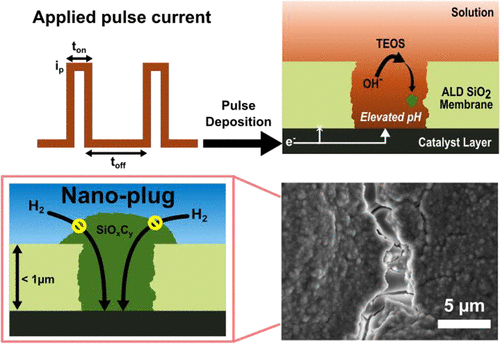
Nanoscopic Plugs Block Hydrogen Crossover in Submicron Thick Proton-Conducting SiO2 Membranes for Water Electrolysis
Jesse S. Dondapati - ,
Lucas A. Cohen - ,
William D. H. Stinson - ,
Jingjing Jin - ,
Sampada Mahajan - ,
Aidan M. Puma - ,
Acadia K. Hu - ,
Sara Harris - ,
Arrelaine A. Dameron - ,
Matthew S. Weimer - ,
Ryan J. Ouimet - ,
Alan C. West - , and
Daniel V. Esposito *
Zero-gap electrolyzers based on submicron thick proton-conducting oxide membranes (POMs) represent a promising approach to increasing the efficiency of H2 production from water electrolysis while moving away from conventional perfluorosulfonic acid (PFSA) membranes. A critical barrier to the commercialization of such electrolyzers is that the ultrathin nature of POMs, which is necessary to achieve low cell resistance, makes them more susceptible to defects that can lead to unacceptably high rates of H2 crossover. Herein, we demonstrate an approach to mitigate this problem through selective deposition of carbon-containing silicon oxide (SiOxCy) “nanoplugs” into the defects of submicron thick SiO2 membranes using a facile electrochemically mediated deposition process. Selective deposition of nanoplugs within the defects was verified by multiple characterization techniques, while scanning electrochemical microscopy (SECM) was used to confirm selective plugging of H2-crossover hotspots associated with defects at identical locations. Thanks to the use of nanoplugs, the H2 permeance of 250 nm thick SiO2 membranes was reduced by 5 to 6 orders of magnitude compared to the unmodified atomic layer deposition (ALD) SiO2 membranes while having negligible impact on the ionic resistance of the membrane. These plug-modified membranes also enabled safe and stable operation of a zero-gap full cell electrolysis cell, in contrast to cells lacking nanoplugs that produced anode effluent streams having H2 concentrations near or exceeding the lower flammability limit (LFL) of H2. Beyond water electrolysis, this defect-sealing strategy has the potential to be broadly implemented in other applications, such as fuel cells and flow batteries, offering a versatile solution to mitigate crossover-related performance losses.
Extremely Uniform Growth Integration of Stacked Silicon Nanowire Channels for High-Performance Transistors via an Embedded-Precursor-Feeding Strategy
Lei Liang - ,
Wentao Qian - ,
Lei Yan - ,
MingYu Xie - ,
Wei Liao - ,
Junyang An - ,
Ruijin Hu *- ,
Junzhuan Wang - , and
Linwei Yu *
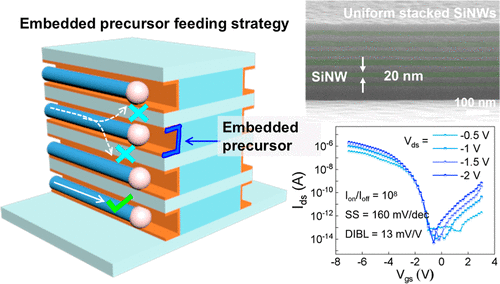
Bottom-up catalytic growth has proven to be an exceptionally powerful method for producing ultrathin silicon nanowires (SiNWs) through a low-temperature, high-yield process. However, in order to serve as quasi-one-dimensional (1D) channels for building high-performance field effect transistors (FETs) within monolithic three-dimensional (3D) integration architectures, the diameter uniformity and spatial arrangement of these catalytical SiNWs have to be precisely controlled. In this work, we report on an embedded-precursor-feeding (EPF) strategy to accomplish an extremely uniform growth integration of horizontally stacked SiNWs arrays, with a diameter of Dnw = 20 ± 2 nm and a high growth yield >90%. Specifically, these SiNWs were produced via the indium droplet-catalyzed in-plane solid–liquid–solid (IPSLS) mechanism, where the amorphous silicon (a-Si) precursor layer has been embedded within the vertical SiNx/SiO2 sidewall grooves through a simple anisotropic etching. It has been found that the removal of the exposed a-Si precursor on the protrusive sidewalls and the exposed areas can completely suppress the undesired growth derailing or track-striding among neighbor SiNWs, as well as the random growth on the top and bottom platforms. Based on these rather uniform SiNW channels, prototype fin-gate FETs were successfully fabricated, achieving a high on/off current ratio of ∼108 and a subthreshold swing of ∼160 mV/dec. This convenient but rather effective EPF strategy represents a key capability to establish the catalytical IPSLS growth as a reliable growth-in-place integration approach to batch-manufacture advantageous SiNW channels for building high-performance FETs in monolithic 3D integration architecture.

An Organoid Biosensing Platform for Personalized Prognosis of Bladder Cancer
Yue Yan - ,
Mona Ahmed - ,
Kathleen E. Mach - ,
Joseph C. Liao *- , and
Pak Kin Wong *
Bladder cancer is a common malignancy with high rates of recurrence and progression. Chemotherapy is employed at various stages of treatment to improve patient outcomes and survival; however, it is sometimes ineffective and often associated with significant side effects. Moreover, growing evidence suggests that chemotherapy may paradoxically enhance tumor invasiveness and metastatic potential in certain cancer types. These concerns underscore the need to better understand the impact of chemotherapy and to develop personalized prognostic strategies for managing bladder cancer. Here, we present an organoid biosensing platform designed to evaluate chemotherapy-induced effects in a patient-specific manner. Freshly isolated tumor organoids and self-assembled microtumors derived from transurethral resection of bladder tumors are cultured within a tumor-on-gel biomimetic microenvironment. By integrating live single cell nanobiosensors with 3D time-lapse microscopy, the platform enables real-time detection of molecular biomarkers and rapid assessment of tumor invasiveness. We demonstrate the platform’s capability to evaluate cisplatin-induced invasion in bladder cancer organoids at the individual patient level. These findings highlight the potential of this organoid biosensing system to investigate patient-specific risks of chemotherapy-induced invasion and to guide more personalized approaches to bladder cancer treatment.

Alternating Electrochemical Redox-Cycling on Nanocomposite Biointerface for High-Efficiency Enzyme-Free Cell Detachment
Caroline McCue - ,
Wang Hee Lee - ,
Bert Vandereydt - ,
Domitille Avalle - ,
Jimin Kang - ,
Simon Rufer - ,
Adel Atari - ,
Fabian J. Dickhardt - ,
Michael Nitzsche - ,
Sean Parks - ,
Yuen-Yi Tseng - , and
Kripa K. Varanasi *
The culture of anchorage-dependent cells is crucial in the biomedical industry, yet traditional dissociation methods, including enzymatic and mechanical techniques, often reduce cell viability and induce cellular stress, particularly in sensitive primary cell populations. These approaches are also resource-intensive, generate considerable biological waste, and lack compatibility with scalable or automated platforms. Here, we propose an enzyme-free and on-demand cell detachment strategy utilizing alternating electrochemical redox-cycling. This approach induces reversible morphological changes that promote cell detachment while maintaining high viability and stable proliferation. When applied to MG63 human osteosarcoma cells on a poly(3,4-ethylenedioxythiophene) polystyrenesulfonate nanocomposite biointerface, the application of voltage initiates redox-cycling, generating ion flux that disrupts cell adhesion and facilitates rounding within 5 min. Detachment efficiency increases from 1 to 95% at an optimal frequency of 0.05 Hz, with cell viability exceeding 90%, demonstrating the feasibility and effectiveness of this method. We introduce an efficient and enzyme-free solution for cell harvesting, which is compatible with automated cell culture and biomanufacturing workflows.
Enabling Weather-Independent Gas Detection through Deep Learning on Light-Activated Sensors
Kichul Lee - ,
Minhyun Kim - ,
Yeongjae Kwon - ,
Seyeon Park - ,
Yunsung Lim - ,
Donghyuk Kwak - ,
Jaeseok Jeong - ,
Baul Kim - ,
Jaewan Ahn - ,
Jihan Kim - ,
Yong-Hoon Cho - ,
Il-Doo Kim *- , and
Inkyu Park *
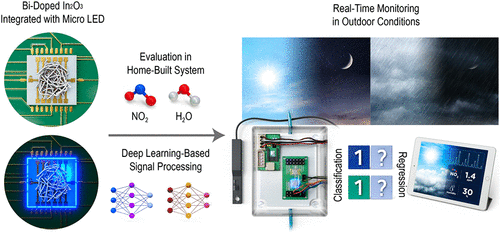
Light-activated gas sensors offer a low-temperature, low-power approach for detecting target species, and their high-performance capabilities make them ideal for practical applications. The direct integration of Bi-doped In2O3 nanofibers onto micro light-emitting diode (μLED) platforms enables high-performance sensors for simultaneous NO2 and H2O detection. Introducing Bi into In2O3 matrices facilitates the formation of oxygen vacancies and the dissociative adsorption of H2O, enhancing the adsorption and reactions with NO2. Under blue illumination, this μLED sensor system exhibits high NO2 sensitivity, with a response value (Rg/Ra) of 264.9 at 1 ppm and 60% relative humidity and response and recovery times of less than 30 s. The use of μLEDs enhances light activation with a high energy transfer efficiency, resulting in outstanding NO2 sensing characteristics. A convolutional neural network-based algorithm is employed to analyze transient sensing signals, accurately predicting with 99% classification accuracy and 10% regression error for both NO2 and H2O, thereby demonstrating weather-independent sensing. This integration of Bi-doped In2O3 nanofibers, which are specifically activated by blue illumination, μLEDs, and deep learning analytics, enables highly effective real-time environmental monitoring of NO2 and humidity under environmentally variable outdoor conditions.

Efficient and High-Conductivity Perovskite LEDs with Low Operating Voltage
Qianqian Wang - ,
Wenxin Bian - ,
Junjie Si *- ,
Feng Ding - ,
Zichen Zhao - ,
Bo Hu - ,
Kaihang Wang - ,
Jiefu Tan - ,
Desui Chen - ,
Sunan Xu - ,
Tenglong Sun - ,
Muzhi Cai - , and
Zugang Liu *
Lead halide perovskites are promising materials for high-performance light-emitting diodes (LEDs) owing to their optoelectronic properties, including high photoluminescence quantum yield (PLQY), tunable bandgap, and outstanding charge carrier mobility. Despite rapid progress, achieving high luminance at a low operating voltage remains a major challenge for perovskite LEDs (PeLEDs), largely due to limited carrier injection in conventional device architectures. Here, we present a synergistic strategy to realize low-voltage, high-efficiency PeLEDs. The device integrates a [2-(3,6-dibromo-9H-carbazol-9-yl)ethyl]phosphonic acid (Br-2PACz) self-assembled monolayer, a compact three-dimensional (3D) perovskite emissive film, and a zinc oxide (ZnO) electron transport layer (ETL). Sulfobetaine 10 (SFB) is employed to regulate crystallization, leading to dense and uniform perovskite films with reduced trap density. The Br-2PACz interlayer simultaneously passivates interfacial defects, facilitates hole injection, and suppresses electron leakage by tuning the energy levels. In addition, the high-mobility ZnO ETL ensures efficient electron injection. The optimized PeLED exhibits a low turn-on voltage of 1.9 V and achieves a luminance of 39,000 cd m–2 and a current density of 38.5 mA cm–2 at 2.5 V. The device delivers a peak external quantum efficiency (EQE) of 22.5% and a peak power efficiency (PE) of 128.7 lm W–1. Moreover, this strategy demonstrates good scalability: large-area PeLEDs (1600 mm2) retain a competitive EQE of 11.2% with uniform emission. This work supplements the research on energy-efficient, low-voltage-operating, and scalable PeLEDs.
Negative Intrinsic Viscosity in Graphene Nanoparticle Suspensions Induced by Hydrodynamic Slip
Adyant Agrawal - ,
Catherine Kamal *- ,
Simon Gravelle - , and
Lorenzo Botto *
This publication is Open Access under the license indicated. Learn More
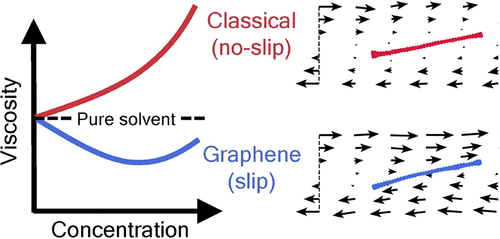
The viscosity of nanoparticle suspensions is always expected to increase with particle concentration. However, a growing body of experiments on suspensions of atomically thin nanomaterials such as graphene contradicts this expectation. Some experiments indicate effective suspension viscosities below that of pure solvent at high shear rates and low solid concentrations, i.e., the intrinsic viscosity is negative. Using molecular dynamics simulations, we investigate the shear viscosity of few-nanometer graphene sheets in water at high Péclet numbers (Pe ≥ 100), for aspect ratios from 4.5 to 12.0. These simulations robustly confirm that the intrinsic viscosity decreases with increasing aspect ratio and becomes negative beyond a threshold ≈5.5, providing a molecular-level confirmation of this behavior in a realistic graphene–water system. Comparison with continuum boundary integral modeling shows quantitative agreement in the dilute regime, confirming the effect is hydrodynamic in origin. We demonstrate that this anomalous behavior originates from hydrodynamic slip at the liquid–solid interface, which suppresses particle rotation and promotes stable alignment with the flow direction, thereby reducing viscous dissipation relative to dissipation in pure solvent. This slip mechanism holds for both fully 3D disc-like and quasi-2D particle geometries explored in the molecular simulations. As the concentration of graphene particles increases in the dilute regime, the viscosity initially decreases, falling below that of pure water. At higher concentrations, however, particle aggregation becomes significant, leading to a rise in viscosity after a minimum is reached. Our work has important implications for the design of lubricants, inks, and nanocomposites with tunable viscosity.

Characterization of WSe2 Films Using Reflection Kikuchi Diffraction in the Scanning Electron Microscope and Multivariate Statistical Analyses
Tianbi Zhang - ,
Jakub Holzer - ,
Tomáš Vystavěl - ,
Miroslav Kolíbal - ,
Estacio Paiva de Araujo - ,
Chris Stephens - , and
T. Ben Britton *
The study of thin films and two-dimensional (2D) materials, including transition metal dichalcogenides such as WSe2 offers opportunities to leverage their properties in advanced sensors, quantum technologies, and devices to optimize functional performance. In this work, we characterize thin WSe2 samples with variable thicknesses using scanning electron microscope (SEM)-based techniques focused on analysis of the backscattered electron signal and Kikuchi diffraction patterns. These data were collected via a pixelated electron-counting direct electron detector positioned below the pole piece primarily configured for reflection Kikuchi diffraction (RKD), and a similar detector placed in the more conventional electron backscatter diffraction (EBSD) geometry. In addition to conventional pattern analysis for orientation microscopy, multivariate statistical methods (MSA) based on principal component analysis were applied to analyze diffraction patterns and differentiate thickness variations and crystal orientations within the thin films through data clustering. These results were compared with atomic force microscopy to validate thickness measurements. Our findings indicate that RKD combined with MSA is highly effective for characterizing 2D materials, enabling simultaneous assessment of thickness and crystallographic orientation. Systematic acceleration voltage variations in RKD experiments and comparisons with EBSD data suggest that the thickness dependency arises from inelastic scattering of diffracted electrons, which affects pattern contrast in the thin-film regime. Collection and analysis of patterns obtained from monolayer, bilayer, and trilayer of WSe2 are also demonstrated. This work reinforces the utility of SEM-based techniques, such as RKD, as valuable tools for the materials characterization toolkit, particularly for thin films and 2D materials.
Optomechanical Tuning of Second Harmonic Generation Anisotropy in Janus MoSSe/MoS2 Heterostructures
Kunyan Zhang *- ,
Medha Dandu - ,
Nguyen T. Hung - ,
Tianyi Zhang - ,
Elyse Barré - ,
Riichiro Saito - ,
Jing Kong - ,
Archana Raja - , and
Shengxi Huang *
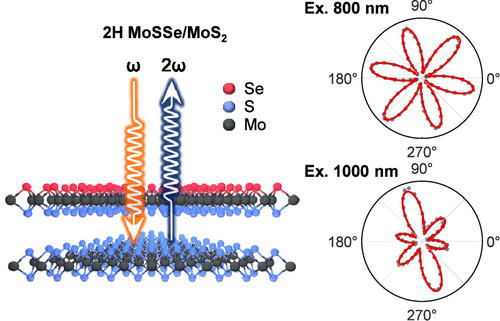
Symmetry breaking in van der Waals materials enables the realization of quantum states and advanced device functionalities. Janus transition-metal dichalcogenides (TMDs) exhibit distinctive nonlinear optical properties due to their broken out-of-plane mirror symmetry. However, the dynamic control of second harmonic generation (SHG) anisotropy and resonance behavior via optical excitation remains elusive. In this work, we investigate the SHG response of Janus MoSSe/MoS2 heterostructures with 2H and 3R stackings. We can tune the SHG response by varying the incident photon wavelength from 800 to 1000 nm, which shows a resonance-dependent enhancement in intensity and a deviation from 6-fold symmetry, indicating wavelength-dependent anisotropy. The ratio between maximum and minimum intensity in the armchair directions, associated with the SHG anisotropy, reaches a value of 1.73 at the excitation wavelength of 1000 nm. Group theory analysis and first-principles calculations reveal that the observed anisotropy arises from optically induced strain. Our findings highlight the role of symmetry breaking and optical resonance contributing to the optomechanical tuning of SHG anisotropy, offering opportunities for developing Janus TMD-based photonic devices for frequency conversion, light generation, and optical switching.
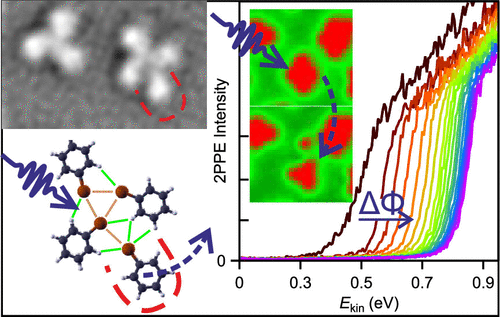
On-Surface Photodissociation Control within Magic-Sized Nanoclusters by Halogen Bonding
Daniel P. Miller *- ,
Cord Bertram - ,
Ishita Kemeny - ,
Scott M. Simpson - ,
Eva Zurek - ,
Uwe Bovensiepen - , and
Karina Morgenstern *
The on-surface synthesis of various organic compounds relies on the self-assembly and subsequent dissociation of halogen-substituted organic molecules for polymerization and functionalization. Here, we demonstrate that the photolytic disassembly and dissociation of bromobenzene molecules within magic-sized tetramer nanoclusters are influenced by halogen bonding on the Cu(111) surface. We explain this phenomenon using a combination of two-photon photoemission spectroscopy, scanning tunneling microscopy, and density functional theory computations. The interactions that determine the preferred cluster sizes of trimers to pentamers arise from a combination of halogen bonding and weak hydrogen bonding. Surface adsorption enhances halogen bonding while weakening the weak hydrogen bonds in the nanoclusters. The most stable tetramers are constructed from a trimer foundation that employs halogen-3 synthons with an exterior fourth molecule. The exterior bromobenzene in this tetramer may detach from the trimer core cluster or undergo dehalogenation before the other bromobenzene molecules under irradiation. The work function of the Cu(111) surface is significantly decreased by the presence of a tetramer. This reduction facilitates the photodissociation of bromobenzene by allowing electrons from the surface to occupy the antibonding molecular orbitals associated with the C–Br bond. The work function increases steadily as smaller clusters and dissociated bromobenzene (phenyl and Br) are formed photolytically. The molecules of the trimers are not photodissociated because the energy levels of the C–Br antibonding orbitals in the trimer core are notably higher in energy than those of the exterior molecule in the tetramer. Our study highlights the potential of weak noncovalent interactions to guide selective photolytic reactions on surfaces.
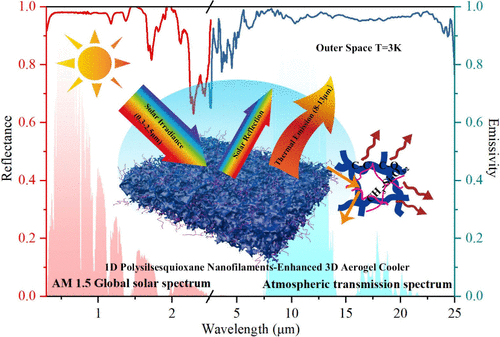
Biomass-Derived Polysilsesquioxane Nanofilament Reinforced Porous Aerogel for Durable Passive Radiative Cooling across All Day and Weather Conditions
Jie Xu - ,
Kangwei Chen - ,
Alessandro Maturilli - ,
Alexandre Laroche - ,
Lingshen Meng - ,
Jörg Knollenberg - , and
Stefan Seeger *
This publication is Open Access under the license indicated. Learn More
Passive radiative cooling (PRC) is a potentially sustainable strategy by reflecting sunlight (0.3–2.5 μm) and emitting heat through the atmospheric window (8–13 μm) without energy consumption. However, challenges remain due to high sunlight irradiance (1000 W m–2) during the day. Our research addresses these challenges by incorporating one-dimensional polysilsesquioxane nanofilaments (1D PSNFs) into micro- and nanoporous biomass-derived aerogels, forming a three-dimensional framework. The designed sustainable aerogel cooler achieves greater than 97% sunlight reflection and thermal emission, resulting in a cooling power of 138.6 W m–2 over 720 h, reducing ambient temperatures by 9 °C. In addition, the aerogel cooler demonstrates high thermal stability, low thermal conductivity (29.0 mW m–1 K–1), superhydrophobicity (water contact angle ∼175°), low density (44.43 kg/m3), and a large surface area (137.84 m2/g). These features enable effective radiative cooling across various weather conditions, while also maintaining environmental sustainability.
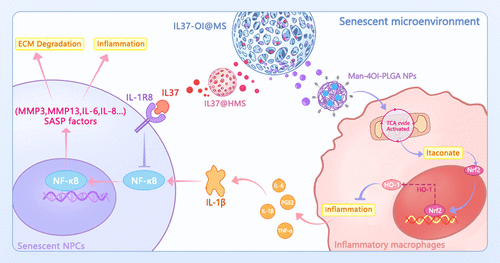
On-Demand Collaborative Delivery for Remodeling the Senescent Microenvironment in Intervertebral Disc Degeneration
Sunlong Li - ,
Xia Fang - ,
Siyu Hu - ,
Kedong Cai - ,
Haoxiang Xu - ,
Yifeng Shi - ,
Zhaoming Ye *- ,
Xiangyang Wang *- ,
Chang Jiang *- , and
Zhenxuan Shao *
The senescent microenvironment, defined as the cellular environment surrounding senescent cells, plays a pivotal role in tissue degenerative diseases by promoting inflammation, disrupting extracellular matrix homeostasis, and inducing senescence in neighboring healthy cells. By analyzing the etiology of the senescent microenvironment in intervertebral disc degeneration (IVDD), senescence-associated secretory phenotype (SASP)-positive nucleus pulposus cells (NPCs) and pro-inflammatory macrophages were considered the most likely primary contributors to this pathological microenvironment. Inspired by these findings, we developed an on-demand collaborative delivery system that concurrently suppresses the SASP in senescent NPCs and reprograms macrophages to attenuate intervertebral disc degeneration. Mechanistically, this delivery system collaboratively reshaped the senescent microenvironment by sustainably releasing interleukin-37 (IL-37) to inhibit SASP progression via the NF-κB pathway and delivering itaconate to macrophages through PLGA nanoparticles to activate the Nrf2 pathway. Notably, this on-demand collaborative delivery system reduced senescence in NPCs from 55.44 ± 2.95% to 5.54 ± 1.35%, achieving a 90% reduction, confirming its efficacy in modulating the senescent microenvironment. Consequently, based on the pathological mechanism, this study proposes a targeted microsphere strategy for senescent microenvironment reconstruction, thereby offering a potential therapeutic avenue for degenerative tissue repair.

Thermal Evaporation of Overlayers Induces Degradation of Metal Halide Perovskites
Kanak Kanti Bhowmik - ,
Danqing Ma - ,
Brian Topper - ,
Kelliann Koehler - ,
Stephen H. Foulger - ,
Hai Xiao - ,
Lin Zhu - , and
Lianfeng Zhao *
Metal halide perovskites offer significant potential for optoelectronics but face stability challenges. This study demonstrates that vacuum thermal evaporation, a standard technique for depositing overlayers like charge transport layers (CTLs) and metal electrodes during device fabrication, induces a detrimental degradation mechanism in the underlying perovskite film. Photoluminescence (PL) lifetime measurements show consistent degradation for various perovskite compositions subjected to thermal evaporation. X-ray photoelectron spectroscopy (XPS) analysis identifies irreversible chemical changes at the perovskite surface, including iodide loss and altered bonding environments. We show that incidental thermal radiation and the high-vacuum conditions inherent to thermal evaporation are the major factors inducing the degradation. This process-induced damage negatively impacts device-relevant properties, demonstrated by a higher amplified spontaneous emission (ASE) threshold in full diode structures with thermally evaporated CTLs compared to those with a solution-processed CTL. These findings highlight the critical impact of manufacturing process selection on perovskite stability and performance, necessitating careful evaluation of process compatibility for developing robust devices.

Ultrasmall Manganese-Doped TiO2–x Overcomes the Efficacy–Safety Dilemma of Sonodynamic Therapy via Tumor Microenvironment-Responsive Reactive Oxygen Species Amplification and Clearance
Weihao Zhu - ,
Yabing Sun - ,
Kaiwei Xu - ,
Chaoxiang Xie - ,
Ming Yang - ,
Yonglong Ye - ,
Jiayong Luo - ,
Haijing Cui - ,
Liangxue Lai - ,
Tianxiang Chen - ,
Xuehua Ma - ,
Jie Lin - ,
Wenzhi Ren *- , and
Aiguo Wu *
The clinical translation of inorganic sonosensitizers for cancer sonodynamic therapy (SDT) is constrained by two interconnected barriers: insufficient therapeutic efficacy due to low reactive oxygen species (ROS) yield and long-term toxicity risks due to poor metabolic clearance. Although conventional ultrasmall size designs achieved renal clearance, they reduce the sonosensitizers’ accumulation in the tumor and further weaken treatment outcomes. To address these challenges, we developed a tumor microenvironment (TME)-responsive Mn-doped TiO2–x nanoplatform (2.4 nm). Optimal Mn doping induced defect-mediated bandgap narrowing, generating oxygen vacancies and intermediate states that reduced the TiO2 bandgap from 3.20 to 2.30 eV, thereby enhancing sonosensitivity. Simultaneously, Mn2+-driven Fenton-like catalysis exploited elevated H2O2 levels to generate O2 in the TME, alleviating tumor hypoxia while amplifying ROS production. Critically, pH-triggered surface transformation enabled spontaneous intratumoral aggregation: acid-labile PEG shedding exposed biorthogonal click groups that cross-link sonosensitizers into ∼230 nm assemblies, thereby boosting tumor retention. This integrated strategy elevated cellular ROS yield 9.7-fold under ultrasound irradiation and achieved 98.2% tumor suppression in mouse models. Concurrently, nonaccumulated sonosensitizers were cleared by the kidney due to their ultrasmall diameter, mitigating systemic toxicity risks. This work establishes a paradigm for inorganic sonosensitizers that intrinsically unite defect-optimized sonosensitivity, TME-enhanced catalysis, and tumor-retentive aggregation with on-demand metabolic clearance, resolving the fundamental efficacy–safety conflict in SDT.
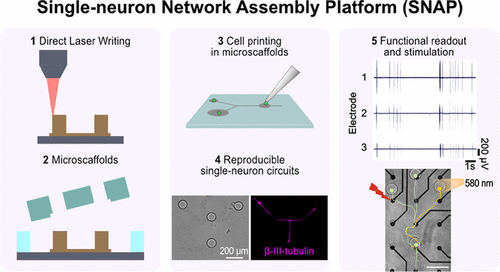
Reproducible Human Neural Circuits Printed with Single-Cell Precision Reveal the Functional Roles of Ephaptic Coupling
Johannes Striebel - ,
Rouhollah Habibey - ,
Daniel Wendland - ,
Helge Gehring - ,
Elizaveta Podoliak - ,
Julia S. Pawlick - ,
Kritika Sharma - ,
Alex H. M. Ng - ,
Wolfram Pernice - , and
Volker Busskamp *
This publication is Open Access under the license indicated. Learn More
Although in vitro neuronal models are accessible and versatile systems for functional electrophysiological studies, the spontaneous and random formation of neural circuits often compromises the structural control and reproducibility. Here, we introduce a robust method for engineering human neuronal networks in vitro with single-cell precision and reproducibility. Our integrated platform combines direct laser-written microstructure templates and soft lithography-based fabrication of microscaffolds with functional multielectrode array recordings. This system enables high-throughput production of diverse circuit designs and allows for the exact placement of neurons within confined microenvironments. The system enables precise recording of spontaneous neuronal activity, as well as electrical and optogenetic stimulations. Using this approach, we constructed reproducible, bottom-up neuronal circuits composed of a defined number of human neurons. As a proof of principle, we employed these circuits to investigate ephaptic coupling, which refers to the modulation of neuronal activity by endogenous electric fields. Although it is believed to play a role in neural computations and cardiac conduction and is associated with epilepsy and arrhythmia, its mechanisms are unclear due to limitations in experimental models, both in vivo and in vitro. By controlling axonal proximity within microchannels and the number of neurons in the engineered circuits, we can quantify ephaptic coupling at different strengths, which validates theoretical predictions, including reduced action potential velocity, increased activity synchronization, and lower stimulation thresholds. Furthermore, the platform has broad potential for studying synaptic and nonsynaptic interactions, myelination processes, advancing disease modeling, and fundamental neuroscience research.
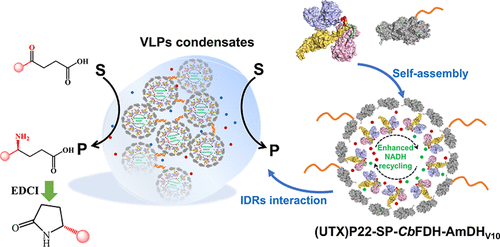
Self-Assembly of P22 Virus-like Particles in Liquid–Liquid Phase-Separated Condensates for Enhanced Enzyme Catalysis
Lifang Zeng - ,
Tingxiao Guo - ,
Jiaxu Liu - ,
Liliang Chu - ,
Xiaoyan Zhang - ,
Daidi Fan - , and
Yunpeng Bai *
Within cells, biomacromolecules self-assemble into ordered and hierarchical structures, facilitating the formation of efficient enzyme catalytic networks and cofactor recycling. However, generating similar structures outside their natural context to create an efficient catalytic system in vitro remains a challenge. This research describes an approach that confines nanosized enzyme-encapsulated virus-like particles (VLPs) within microsized condensates through intrinsically disordered region (IDR)-mediated liquid–liquid phase separation (LLPS), demonstrating enhanced reaction rates and cofactor recycling that surpass state-of-the-art free enzyme catalysis. Specifically, an engineered amine dehydrogenase (TtherAmDHV10) and a formate dehydrogenase (CbFDH) were coencapsulated within VLPs which were then assembled into condensates, creating a self-sustaining NADH regeneration system for producing chiral lactams. Compared to free enzyme systems, the phase-separated VLPs exhibited 1.2- to 28-fold improvements in NADH recycling efficiency, 2.1- to 6.1-fold enhancements in catalytic efficiency (kcat/Km), and a 1.3- to 19.9-fold increase in substrate conversion under the same conditions. Additionally, VLPs and their condensates demonstrated higher activity toward 15 out of 16 substrates compared to free enzyme systems. In large-scale synthesis, the dual-enzyme VLP condensates reduced NADH consumption to just 0.05% of the substrate concentration while still achieving a high substrate conversion at such low cofactor concentrations. Ultimately, these findings showed how condensed, catalytic VLPs are more effective than free enzymes for enzyme catalysis.
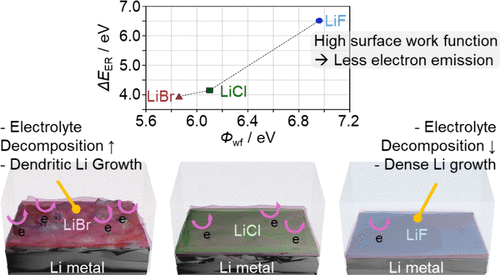
Haloaromatic Reduction-Induced Formation of a High Surface Work Function Protective Layer on a Lithium Electrode for Stable Lithium Metal Batteries
Miseung Kim - ,
Ho Yeon Jang - ,
Chae Rim Lee - ,
Min A Lee - ,
Wontak Kim - ,
Jun Ho Song - ,
Ji-Sang Yu - ,
Seung-Ho Yu *- ,
Seoin Back *- , and
Hyun-seung Kim *
A liquid-phase strategy for stabilizing lithium metal electrodes in lithium metal batteries using halogen-substituted benzophenone compounds (4-X-BzPh, X = F, Cl, and Br) is performed. These compounds undergo spontaneous haloaromatic reduction upon contact with lithium, forming thin and uniform protective layers of lithium halides (LiX, where X = F, Cl, and Br). This process enables homogeneous passivation without the need for complex fabrication techniques. Among the LiX species, LiF exhibits the highest surface work function and the strongest electron-blocking properties, effectively suppressing dendrite formation and electrolytic decomposition. Moreover, the proposed approach is successfully scaled to pouch cell configurations, demonstrating compatibility with practical battery systems. This haloaromatic compound-based liquid modification strategy enhances the reversibility and stability of lithium metal electrodes through the spontaneous formation of functional LiX interphases and leveraging the protective characteristics of LiX layers.

Phase-Selective Growth of Violet Phosphorus Crystals via Sn–Bi Flux
Jiwon Kim - ,
Byung Hoon Lee - ,
Soo Ho Choi - ,
Jina Lee - ,
Seungjin Lee - ,
Kamal Kumar Paul - ,
Hyeonbeom Kim - ,
Byeong Wook Cho - ,
Hayoung Ko - ,
Jae Woo Kim - ,
Hang Sik Kim - ,
Taesoo Kim - ,
Dahyun Choi - ,
Min Cheong - ,
Young-Min Kim - ,
Min-Kyu Joo - ,
Soo Min Kim - ,
Young Hee Lee *- , and
Ki Kang Kim *
Violet phosphorus (VP), an allotrope of phosphorus, is a two-dimensional van der Waals layered semiconducting material with a tunable band gap ranging from 1.4 to 2.0 eV. Despite its potential for optoelectronic applications, the scalable synthesis of phase-pure, high-quality VP crystals remains a major challenge due to competition from other phosphorus allotropes during growth. Here, we report a phase-selective synthesis strategy based on a Sn–Bi binary metal flux, enabling the growth of VP single crystals with lateral dimensions of up to 5 mm. Our approach leverages the presence of Sn in Bi flux to suppress the nucleation of undesired allotropes, thereby promoting the selective formation of VP. The VP crystals exhibit exceptional quality, as confirmed by a narrow full width at half-maximum of 0.098° for the (004) plane in X-ray diffraction. Furthermore, the VP-based phototransistor demonstrates an ultrahigh detectivity of ∼1.68 × 1015 cm Hz0.5 W–1 under a 458 nm (2.70 eV) laser irradiation, with a fast response time of 1.05 ms. These results highlight the optoelectronic potential of VP and the importance of phase purity and crystallinity in achieving a high-performance device, enabled by our phase-selective synthesis strategy that effectively suppresses the nucleation of competing allotropes.
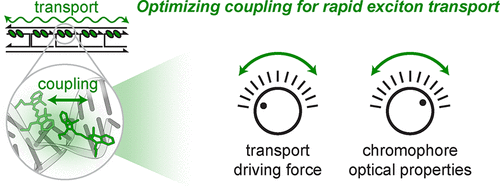
Transport of Delocalized Excitons through DNA-Based Molecular Photonic Wires
Madelyn N. Scott - ,
James L. Banal - ,
Wei Jia Chen - ,
Caelan Brooks - ,
Xiao Wang - ,
Stephanie M. Hart - ,
Amro Dodin - ,
Mark Bathe *- ,
Adam P. Willard *- , and
Gabriela S. Schlau-Cohen *
Molecular photonic wires conduct electronic energy via their rapid transport properties. In photosynthesis, nature achieves efficient transport across large distances using delocalized excitons, generated by strong excitonic coupling between chromophores. How, or even whether, delocalization facilitates long-distance energy transport in synthetic systems has been challenging to experimentally test and optimize. Thus, far, studies have been limited to strongly coupled, heterogeneous chromophore aggregates or weakly coupled chromophore monomers. Here, we employed DNA nanostructures to engineer molecular photonic wires constructed from a series of excitonically coupled indocarbocyanine chromophores─achieving the intermediate and strong coupling regimes. Using time-resolved fluorescence spectroscopy and complementary simulations, we demonstrated that an intermediate intermolecular electronic coupling (∼kBT) enables up to 40% faster exciton transport as compared to strongly coupled chromophores. The delocalized excitons generated in the intermediate coupling regime exhibited properties conducive to rapid diffusivity, similar to their monomeric counterparts. Thus, intermediate excitonic coupling, analogous to natural systems, achieves long-distance exciton transport with the high chromophore density required for energy capture.
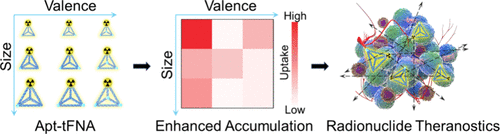
Rational Design of Aptamer-Guided Framework Nucleic Acid Delivery Platform for Cancer Radionuclide Theranostics
Zhiqiang Ren - ,
Liujun Xu - ,
Jia Liu - ,
Keying Liu - ,
Dali Wei - ,
Qiuyi Li - ,
Weijun Wei - ,
Haitao Zhao - ,
Yifan Lyu - ,
Jianjun Liu *- ,
Ding Ding *- , and
Weihong Tan *
DNA aptamers are single-stranded DNA molecules with three-dimensional structures that enable high-affinity and specific binding to target molecules, offering significant potential for precision medicine. Recent advances in DNA nanotechnology have allowed the fabrication of aptamer-guided framework nucleic acid delivery platforms with controllable size and valence. While these platforms have improved tumor delivery in drug delivery, the effects of size and valence on delivery efficacy have not been well studied, particularly in the context of radionuclide-based molecular imaging and therapy. Herein, we fabricate a series of radionuclide-labeled anti-PTK7 aptamer-guided tetrahedron framework nucleic acid delivery platforms (Apt-tFNAs) with varying sizes and valencies. These Apt-tFNAs are well-characterized, and their cell-specific binding ability is demonstrated to be dependent on size and valence. Further in vivo study via dynamic positron emission tomography (PET) scanning reveals that smaller-sized tFNAs improve tumor uptake and reduce liver and kidney retention when valence remains constant. Finally, a single aptamer-modified tFNA with an edge length of 17 bp presents the best tumor delivery efficacy and effective therapeutic performance when combined with either chemotherapy or immunotherapy. This study elucidates how controllable size and valence influence delivery efficacy and introduces optimized Apt-tFNA constructs as promising agents for enhancing targeted therapeutic outcomes.
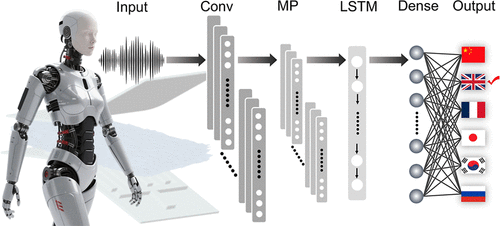
Mechano-thermo-acoustic Multifunctional Sensor Based on an MXene/Silk Fibroin Aerogel
Huili Sun - ,
Weijie Liu *- ,
Haonan Xing - ,
Xiaoqing Liu - ,
Huatang Wang - ,
Mengyao Gao - ,
Kun Chen - ,
Tianyu Xia *- ,
Yongfa Cheng *- , and
Haizhong Guo *
Traditional sensors often suffer from limited material properties, fixed structural configurations, and a lack of tunability and three-dimensional (3D) porous architectures necessary to meet the growing demands for multifunctionality, miniaturization, and seamless integration. Here, a flexible sensor based on a 3D MXene/silk fibroin (SF) aerogel to meet the demands for multifunctionality was prepared. Due to the high electrical conductivity and superior elasticity of the layered porous MXene/SF aerogel formed by a rapid gas foaming process, the sensor is capable of monitoring multimodal signals, including mechanical, thermal, and acoustic stimuli. The sensor achieves a high sensitivity (103.14 kPa–1), a minimum detection limit (1.96 Pa), a fast response time/recovery time (110.92 ms/77.81 ms), and good cyclic stability (>10,000 cycles). In addition, the sensor exhibits excellent repeatability and recognition capability for temperature changes. More importantly, it effectively distinguishes sound signals from different languages, achieving a language recognition accuracy of 96.58% by machine learning recognition. This work provides insights and approaches that can provide inspiration for the future development of high-performance and multifunctional integrated flexible sensors.

Unraveling Ligand-Driven Isomerism in Redox-Active Mixed-Ligand Polyoxometalates Using Ion Mobility Spectrometry
Solita Wilson - ,
Xilai Li - ,
Viraj D. Gandhi - ,
Ashley Johnson - ,
Eric Schreiber - ,
Liam Ryan - ,
Lidya Sertse - ,
Carlos Larriba-Andaluz - ,
Ellen M. Matson - , and
Julia Laskin *
Redox-active metal-oxide clusters that combine atomic precision with tunable solubility and electronic structure are emerging as functional components for energy storage, catalysis, and quantum materials. Polyoxovanadate (POV)-alkoxides, in particular, offer a modular platform where ligand shell composition can be tailored without disrupting the core structure. However, structural characterization of mixed-ligand POV-alkoxides is hindered by the presence of compositional and isomeric heterogeneity. Here, we report the structural investigation of mixed-ligand Lindqvist-type POV-alkoxides using ion mobility–mass spectrometry (IM-MS) coupled with density functional theory (DFT) and collision cross section (CCS) simulations. We examine two series of clusters, [V6O7(OR1)12–x(OR2)x] (x = 0–8), with ligands of varying steric bulk: methoxy/ethoxy (MeO/EtO) and ethoxy/ethoxyethyl (EtO/EOE). While the MeO/EtO series shows a linear increase in CCS with ligand substitution, the EtO/EOE series exhibits a curved trend and broadened CCS distributions, indicating the formation of multiple low-energy isomers. DFT results reveal that this behavior arises from the preferential extension and clustering of bulky EOE ligands on one side of the core. Comparison of experimental and simulated CCS distributions further indicates that high-CCS isomers are not formed under solvothermal conditions. Instead, the as-synthesized solution contains isomers in which the bulky EOE ligands cluster on one side of the hexavanadate core. These findings demonstrate the power of gas-phase structural analysis to resolve subtle isomeric preferences in complex molecular assemblies and offer a framework for understanding ligand-directed assembly in redox-active metal-oxide clusters.
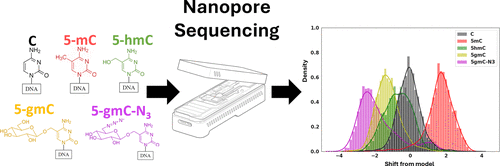
Write and Read: Harnessing Synthetic DNA Modifications for Nanopore Sequencing
Uri Bertocchi - ,
Assaf Grunwald - ,
Gal Goldner - ,
Eliran Eitan - ,
Sigal Avraham - ,
Shani Dvir - ,
Jasline Deek - ,
Yael Michaeli - ,
Brian Yao - ,
Jennifer Listgarten - ,
Jared T. Simpson - ,
Winston Timp - , and
Yuval Ebenstein *
This publication is Open Access under the license indicated. Learn More

ACS Editors' Choice® is a collection designed to feature scientific articles of broad public interest. Read the latest articles
An exciting feature of nanopore sequencing is its ability to record multiomic information on the same sequenced DNA molecule. Well-trained models allow the detection of nucleotide-specific molecular signatures through changes in ionic current as DNA molecules translocate through the nanopore. Thus, naturally occurring DNA modifications, such as DNA methylation and hydroxymethylation, may be recorded simultaneously with the genetic sequence. Additional genomic information, such as chromatin state or the locations of bound transcription factors, may also be recorded if their locations are chemically encoded into the DNA. Here, we present a versatile “write-and-read” framework, where chemo-enzymatic DNA labeling with unnatural synthetic tags results in predictable electrical fingerprints in nanopore sequencing. As a proof-of-concept, we explore a DNA glucosylation approach that selectively modifies 5-hydroxymethylcytosine (5hmC) with glucose or glucose-azide adducts. We demonstrate that these modifications generate distinct and reproducible electrical shifts, enabling the direct detection of chemically altered nucleotides. We further demonstrate that enzymatic alkylation, such as the enzymatic transfer of azide residues to the N6 position of adenines, also produces characteristic nanopore signal shifts relative to the native adenine and 6-methyladenine. Beyond direct nucleotide detection, this approach enables bio-orthogonal DNA labeling, enabling an extended alphabet of sequence-specific detectable moieties. The future use of programmable chemical modifications for simultaneous analysis of multiple omics features on individual molecules can significantly advance genetic research and discovery.
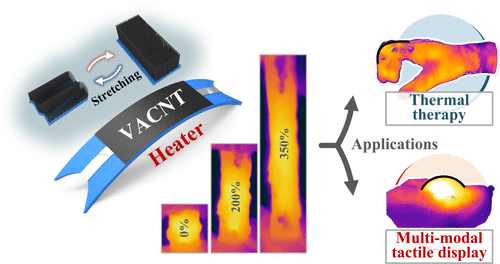
Strain-Insensitive Heater on Wrinkled Surface Integrated with Carbon Nanotube Bundles for Wearable Thermal Therapy and Multimodal Tactile Displays
Kyubin Bae - ,
Sangjun Sim - ,
Yunsung Kang - , and
Jongbaeg Kim *
Flexible or stretchable heaters can generate heat despite their deformation, making them suitable for various applications such as wearable devices and human-machine interfaces. This study presents the development and characterization of a highly stretchable heater integrating vertically aligned carbon nanotubes (VACNTs) on a wrinkled elastomer substrate designed to maintain consistent heating performance under mechanical strain. Through a synergistic design considering both material and mechanical structure, the strain-insensitive heater achieves minimal temperature variation (less than 5%) across a tensile strain range of 0–350%. This stable heating performance is attributed to the entangled VACNT strands within a wrinkled structure, which facilitates continuous contact between the nanotubes even under significant strain. Additionally, the heater exhibits high durability, enduring 10,000 cycles at 200% strain, with a heating variation of less than 5%. Furthermore, practical applications of the strain-insensitive heater are demonstrated as a thermal treatment device for finger joints and as a multimodal tactile display capable of transmitting both thermal and pressure sensations. This study represents a significant advancement in the field of flexible and stretchable electronics, offering promising opportunities for wearable thermotherapy and haptic interfaces.
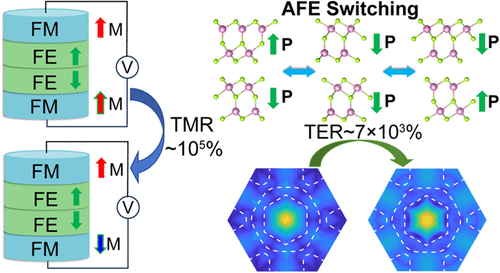
Momentum-Resolved Tunneling Modulation Induced Giant Multistate Resistance in Antiferroelectric Multiferroic Junction
Wei Yang - ,
Yibo Xu - ,
Shen Li - ,
Jiangchao Han - ,
Jiayou Chen - ,
Juan-Carlos Rojas-Sánchez - ,
Stéphane Mangin - ,
Xiaoyang Lin *- , and
Weisheng Zhao
Multiferroic tunnel junctions (MFTJs), integrating ferroelectric and ferromagnetic functionalities within a single nanoscale device, hold significant promise for nonvolatile, multistate memory and innovative computing paradigms. In conventional MFTJs, tunneling resistance modulation relies primarily on ferroelectric (FE) polarization switching, which alters interfacial electric fields and shifts the Fermi level of adjacent ferromagnetic electrodes. However, achieving high tunnel electroresistance (TER) through this approach demands strong built-in electric fields, which simultaneously hinder FE polarization switching, creating an intrinsic trade-off between reliable data reading and efficient writing. Here, we propose a dual mechanism that combines antiferroelectric (AFE) phase-transition modulation of the evanescent decay states with interfacial spin filtering based on Fe3GaTe2/bilayer-α-In2Se3/Fe3GaTe2 heterostructure. Beyond altering the electrostatic potential as in AFE–FE switching, the transitions between head-to-head type and tail-to-tail type AFE states preserve the centrosymmetric potential profile yet fundamentally modulate the momentum-resolved distribution of evanescent decay rates across the Brillouin zone. When integrated with perfect spin filtering at the Fe3GaTe2/α-In2Se3 interface, this mechanism yields a giant TER (∼7.6 × 10³%), over 4 times that of conventional FE-based MFTJs, and a TMR exceeding 6.8 × 10⁵%, enhanced by 2 orders of magnitude over typical MFTJs. These mechanisms resolve the performance trade-off in MFTJs, enabling six distinct nonvolatile resistance states at room temperature.
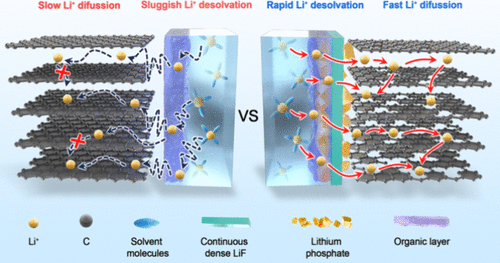
Synergistic Pore Architecture and Surface Lithiation Enable Li3PO4-Dominated Interphases for Ultrahigh-Rate Graphite Anodes
Zhikun Huang - ,
Chenghao Cui - ,
Kai Wang - ,
Hongyun Ma - ,
Guoyu Pan - ,
Yuanfan Gu - ,
Yingjie Gao - ,
Wujie Qiu - ,
Zhuang Sun *- , and
Tao Zhang *
Designing high-rate anodes for lithium-ion batteries (LIBs) remains a critical challenge due to the sluggish ion dynamics and capacity degradation of graphite-based materials under high-rate cycling. Here, we present a surface-lithiated porous graphite (LPG) anode designed through synergistic structural and interfacial modifications. Micron-scale pores introduced on graphite basal planes reduce Li+ diffusion distance while maintaining a low specific surface area (≤ 2 m2·g–1), ensuring an initial Coulombic efficiency exceeding 90%. Surface lithium-containing groups are identified as a key factor in inducing the formation of a Li3PO4-enriched solid electrolyte interface (SEI), which effectively mitigates Li+-solvent interactions and enhances desolvation kinetics. As a result, LPG anodes exhibit good high-rate capabilities, delivering a delithiated capacity of 327 mAh·g–1 at 50 C and retaining 88.9% initial capacity after 2000 cycles at 5 C. With kilogram-scale production and soft-pack battery verification, this strategy positions LPG as a scalable, high-rate anode solution for next-generation LIBs, achieving a good balance between rate performance and capacity retention. Surface-lithiated porous graphite achieves a good balance in balancing rate performance and capacity retention for lithium-ion batteries.

Ultrasound-Visualized Cuproptosis in Glioblastoma via Endogenous Copper Sequestration and Nitric Oxide-Gas Controlled Release Using a Programmable Nanoliposomal Platform
Yang Liu - ,
Xiao Wang - ,
Huiting Xu - ,
Huan Wu - ,
Yongxu Ju - ,
Lin Cui - ,
Yanxiao Zhao - ,
Yan Chen - ,
Mengyuan Cui - , and
Fang Yang *
Cuproptosis, a copper-dependent cell death, emerges as a potential anticancer strategy but still faces challenges of systemic toxicity from exogenous copper supplementation, tumor adaptation via glutathione (GSH)-mediated detoxification, and compensatory copper-efflux upregulation. These limitations impede mitochondrial respiratory dysfunction and proteotoxic stress that are essential for cuproptosis, highlighting the demand for tumor-specific copper metabolic modulation. Here, we engineer multifunctional nanoliposomes (DSF/S1P/ISDN-Lipos) that hijack endogenous copper transport for spatially controlled tumor-specific cuproptosis induction while enabling real-time therapeutic monitoring via gas enhanced ultrasonography. Modularly assembled from tumor-targeting sphingosine-1-phosphate (S1P), GSH-responsive nitric oxide (NO) prodrug isosorbide dinitrate (ISDN), and copper-chelator disulfiram (DSF), this DSF/S1P/ISDN-Lipos first facilitates blood-brain tumor barrier traversal and glioblastoma-specific accumulation. Then, intratumorally GSH converts DSF to dithiocarbamate (DTC), chelating endogenous copper into Cu(DTC)2 complexes on the liposome surface. Following internalization, coreleased Cu(DTC)2 and ISDN-derived NO deplete GSH while suppressing ATP7B efflux pumps, amplifying copper overload to trigger lipoylated protein aggregation and Fe–S cluster degradation. Notably, NO-generated ultrasound contrast enables spatiotemporal mapping of copper transport dynamics. In vivo, DSF/S1P/ISDN-Lipos demonstrated favorable biosafety and significantly suppressed orthotopic glioblastoma growth. This work presents a theranostic approach for metal homeostasis regulation, where gas therapy synergizes with endogenous metallo-reprogramming to overcome adaptive resistance.

Trafficking Glycogen Nanoparticles through Lymph Node Tissues for the Delivery of Small and Large Bioactive Molecules
Soraia Fernandes *- ,
Rong Xu - ,
Robert De Rose - ,
Yuang Gu - ,
Alessandra Dominicis - ,
Sukhvir Kaur Bhangu - ,
Haleh Mahmoudinoodezh - ,
Haiyan Zhu - ,
Giancarlo Forte - ,
Christoph E. Hagemeyer - ,
Frank Caruso *- , and
Francesca Cavalieri *
Targeted delivery of therapeutics to lymph nodes (LNs) via minimally invasive subcutaneous injection offers promise to treat B and T cell malignancies, latent HIV-1 reservoirs, and cancer metastasis. However, achieving therapeutic drug levels in subcutaneous tissues and LNs is challenging because of the poor retention and accumulation of soluble drugs. Engineered nanoparticles (NPs) provide a platform for prolonging drug stability and retention in the subcutaneous space and LNs, acting as reservoirs for the sustained release of drugs through the lymphatic system. Yet, their clinical translation for LN drug delivery faces limitations owing to the potential immunogenicity and toxicity of NP material components. Herein, we show that glycogen, a natural and biodegradable polysaccharide NP can be tailored by controlling its size, surface charge, and functional groups to enable the delivery of small and large bioactive molecules in LNs. Upon subcutaneous injection, positively charged glycogen NPs primarily accumulate in the liver and kidneys, whereas negatively charged glycogen NPs accumulate in the liver and lungs, irrespective of their size. Small and positively charged (19 ± 2 nm in diameter; 53 ± 4 mV) glycogen NPs accumulate more efficiently in LNs than the large and positively charged (57 ± 2 nm in diameter; 54 ± 9 mV) or small and negatively charged (13 ± 4 nm in diameter; −27 ± 1 mV) glycogen NPs. Moreover, smaller and slightly positively charged glycogen NPs (16 ± 4 nm in diameter; 10 ± 6 mV) enable the loading and delivery of Cre-recombinase mRNA, small organic molecules and antibodies at the site of injection and LNs. The glycogen NPs are associated with macrophages lining the subcapsular sinus and medullary regions of the LNs but are also detected within the paracortex at the T cell zone. This suggests that the glycogen NPs can overcome the phagocytic cell barrier by saturating the phagocytic capacity of the macrophages at the subcapsular sinus and spread to deeper parts of the paracortex region, providing an avenue for their application in the treatment of lymphatic diseases.
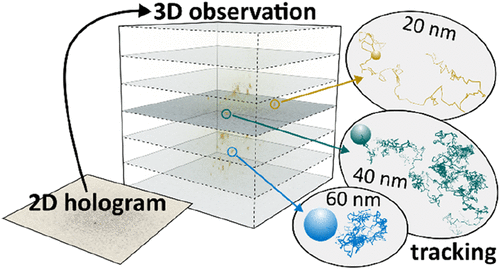
The Next Dimension: Digital Holography for 3D Interferometric Scattering
Jaime Ortega Arroyo *- and
Matz Liebel *
This publication is Open Access under the license indicated. Learn More
We provide detailed experimental guidelines for implementing digital holography in the context of high-sensitivity interferometric scattering (iSCAT)-based nanosizing applications. Our approach relies on interferometry via the highly versatile off-axis implementation of digital holography, which offers key advantages over more traditional strategies. After a brief theoretical discussion of off-axis holography and its differences and similarities with iSCAT, typical experimental implementations and digital data-processing steps are presented. Key experimental parameters and strategies to achieve optimal performance are also highlighted. Following these experimental aspects, we focus on digital postprocessing routines that enable digital refocusing and 3D particle tracking as well as pupil function aberration correction. We then conclude with a few examples highlighting the broad applicability of digital holography for nanosizing and particle characterization applications, as well as an outlook for future applications.
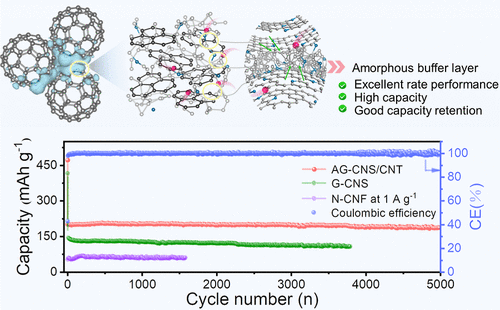
Dual Engineering of Electronic and Mechanical Properties via Heterocontact–Curvature Interfaces for Ultra-Stable K-Ion Storage
Xuan Li - ,
Lijuan Tong - ,
Junxiong Wu *- ,
Ziwei Yuan - ,
Xiaoyan Li *- ,
So Yeon Kim - ,
Manxian Li - ,
Jingyue Zhao - ,
Chuanping Li - ,
Zulin Li - ,
Xiaochuan Chen - ,
Xiaoliang Ye - ,
Guoxiu Wang *- , and
Yuming Chen *
Despite the demonstrated efficacy of contact curvature interfaces in enhancing the electrochemical performance of graphitic carbon materials for potassium-ion batteries, long-term cycling stability remains a critical challenge due to structural degradation caused by repeated volume expansion/contraction. Herein, we propose a structural design by introducing a 3–5 nm ultrathin amorphous carbon buffer layer at the contact curvature interface of graphitic carbon domains, constructing an amorphous/graphitic carbon heterocontact-curvature interface (AG-CI). Through systematic density functional theory calculations, we demonstrate that the AG-CI architecture can significantly enhance the electronic states near the Fermi level, which not only facilitates rapid electron transport but also strengthens reversible K+ adsorption at the contact curvature interface. Concurrently, the amorphous carbon buffer layer serves as a mechanical stabilizer, effectively accommodating volume variation during charge–discharge processes, alleviating structural stress, and enabling cycling performance. This synergistic optimization of electronic conductivity and mechanical robustness leads to exceptional electrochemical performance, including rate performance (154.9 mAh g–1 at 4 A g–1) and cycling durability (nearly 100% capacity retention per cycle). Our dual engineering strategy, which simultaneously addresses electronic and mechanical challenges, provides a versatile platform for the development of high-performance carbon-based anodes in next-generation batteries.
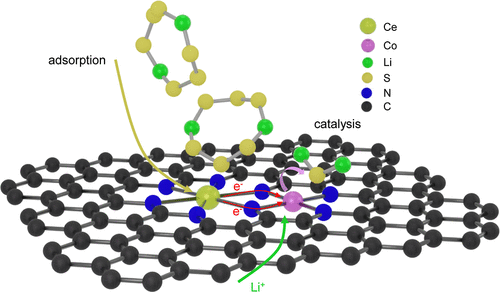
Synergistic Adsorption-Catalysis by Co/Ce Dual Single Atoms Trapped in Hollow Carbon Spheres Boosts Li–S Battery Performance
Tianxin Hou - ,
Naiyuan Duan - ,
Chenyang Bi - ,
Jinwei Tu - ,
Mingmin Luo - ,
Yafei Qu - ,
Yang Yang - ,
Dongdong Wang - , and
Qianwang Chen *
Lithium–sulfur (Li–S) batteries have a deteriorating capacity under the circumstances of the lithium polysulfide (LiPS) shuttle effect, which disrupts S8-to-Li2S conversion kinetics and shortens the cycle life. In this study, we engineered Co/Ce dual single atom catalysts anchored on nitrogen-doped hollow carbon spheres to mitigate the shuttle effect by adsorption-catalysis design. Ce sites exhibit stronger adsorption affinity for long-chain LiPS via the low formation enthalpy of Ce–S bonding, effectively confining soluble intermediates within the cathode, whereas Co sites dominantly catalyze the redox kinetics of solid Li2S nucleation and dissolution, reducing the energy barriers for Li2S deposition. The Co/Ce dual-site sulfur cathode achieved 92.8% capacity retention after 1000 cycles at 0.5 C, excellent rate capability (552 mAh gS–1 at 10 C), and an undersized capacity decay rate (0.06% per cycle) for 1000 cycles at 2 C. A coin cell with high sulfur loading delivered a high areal capacity of 3.99 mAh cm–2 and maintained 3.61 mAh cm–2 after 600 cycles at 0.2 C, highlighting the ability of Co/Ce dual single atoms in boosting Li–S battery performance.
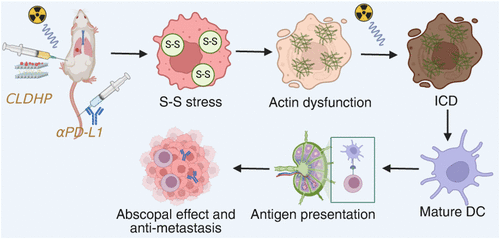
Intracellular Disulfide Stress Induced Actin Dysfunction for Enhancing Radiotherapy Sensitivity and Eliciting Antitumor Immunity
Yang Liu - ,
Cai Zhang - ,
Zheng Deng - ,
Jiadong Wang - ,
Xianglong Sun - ,
Xirui Wu - ,
Yifan Zhang - ,
Guangbao Yang *- , and
Yanli Zhao *
Radiotherapy (RT) is a primary modality in cancer treatment, with its efficacy dependent on tumor radiosensitivity. This study presents a cystine-inserted layered double hydroxide nanosheet loaded with phloretin (CLDHP) to enhance RT sensitivity by inducing G2/M phase arrest through disulfide stress. In acidic microenvironments, CLDHP undergoes degradation, enabling the release of cystine and phloretin. Phloretin inhibits glucose transporter type 1, blocking the pentose phosphate pathway and leading to NADPH depletion. The resulting NADPH depletion exacerbates cystine accumulation, activates disulfide stress, and induces disulfide cross-linking of cellular actin, arresting tumor cells at the radiation-sensitive G2/M phase. In vivo studies reveal that CLDHP markedly augments RT sensitivity and effectively inhibits tumor growth. Furthermore, combining CLDHP with an immune checkpoint inhibitor boosts RT-induced antitumor immune responses, demonstrating excellent efficacy against X-ray-irradiated primary tumors and inhibiting the growth of distant and metastatic tumors. This work highlights the role of disulfide stress in inducing G2/M phase arrest, offering a safe and effective radiosensitization strategy.
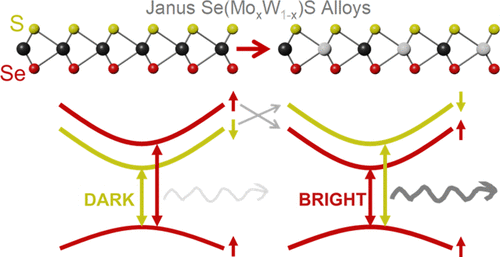
Dark-to-Bright Exciton Transition in 2D Janus Excitonic Semiconductors via Metal Cation Alloying
Jan Kopaczek *- ,
Patrick Hays - ,
Huan Wu - ,
Blake Povilus - ,
Melike Erdi - ,
Rounak Banerjee - ,
Cheng-Lun Wu - ,
Ivan Sanchez Esqueda - ,
Robert Kudrawiec - ,
Antia S. Botana - , and
Seth Ariel Tongay *
Monolayer Janus transition metal dichalcogenides (TMDs) are intrinsically polarized two-dimensional (2D) semiconductors with broken mirror symmetry, offering additional degrees of freedom for exciton and spin–orbit engineering. However, controlled access to tunable excitonic ground states has remained largely inaccessible. Here, we report a composition-dependent transition from bright to dark excitonic behavior in alloyed Janus TMDs (SeMoxW1–xS), synthesized via a plasma-assisted epitaxial replacement process. This method enables the reliable transformation of MoxW1–xSe2 into structurally ordered Janus alloys across a wide compositional range. Atomic-resolution imaging and optical spectroscopy reveal that the excitonic character switches abruptly from dark to bright exciton complexes at a critical Mo concentration (∼25%), confirmed by first-principles calculations. This crossover arises from the interplay between spin–orbit coupling and band-edge alignment in the alloyed Janus lattice. Our findings demonstrate a route for engineering dark and bright excitonic ground states in Janus 2D materials and establish a broadly tunable platform for investigating spin–valley physics in 2D Janus TMDs.
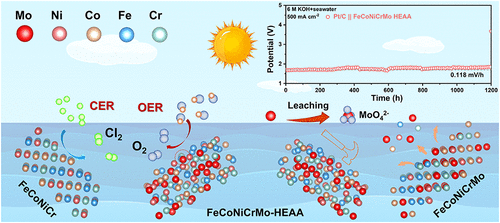
Pinning Effect Suppresses Leaching in High-Entropy Amorphous Alloys for Efficient Selective Electrocatalysis in Alkaline Seawater
Zongfan Zhu - ,
Peng Pei - ,
Na Chen - ,
Wei Zhao - ,
Liangliang Li - ,
Yang Shao *- ,
Shengxi Zhao *- , and
Kefu Yao *
Simultaneously achieving enhanced selectivity of the oxygen evolution reaction (OER) and long-term catalytic activity remains a critical challenge in seawater electrolysis. Although anion layers (e.g., MoO42–/CrO42–) electrochemically reconstructed from multivalent metals (Cr, Mo) shield Cl– and suppress the competitive chlorine evolution reaction (CER), continuous leaching of active elements causes structural collapse. Thus, the concerted regulation of reconstruction kinetics and leaching suppression is essential for achieving stable electrocatalysis. In this study, a designed FeCoNiCrMo high-entropy amorphous alloy catalyst is prepared to significantly enhance OER selectivity and suppress active element leaching, enabling long-term stable electrocatalysis in alkaline seawater electrolysis. In alkaline simulated seawater (1 M KOH + 0.5 M NaCl), this catalyst achieves a low overpotential of 223 mV at 10 mA cm–2, matching pure alkaline electrolyte (221 mV). Combined ion chromatography (IC) characterization of Cl– variation and faradaic efficiency analyses confirm its inhibition effect on the CER. The assembled alkaline seawater electrolyzer exhibits high stability, operating for 1200 h at 500 mA cm–2 with a low voltage decay rate of 0.118 mV h–1. Theoretical and in situ characterizations reveal that the short-range ordered domains in the amorphous phase synergistically suppress the leaching of active elements through pinning effect, thereby conferring outstanding structural stability.
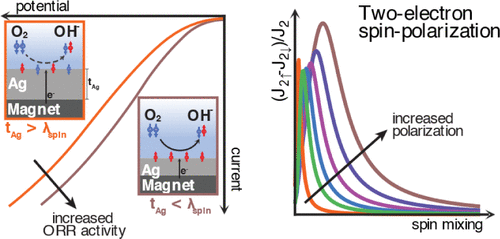
Spin-Polarized Electron Transport Promotes the Oxygen Reduction Reaction
Priscila Vensaus - ,
Yunchang Liang - ,
Jean-Philippe Ansermet - ,
Jonas Fransson - , and
Magalí Lingenfelder *
This publication is Open Access under the license indicated. Learn More
Oxygen evolution (OER) and oxygen reduction (ORR) reactions are central to the efficiency of electrolysis and fuel cells, involving the paramagnetic triplet ground state of oxygen and the singlet ground state of water. Here, we demonstrate that spin-polarized currents enhance the ORR activity. Using a silver-coated nickel electrode over a neodymium (Nd) magnet, we observed that ORR performance is maximized when the Ag layer is thinner than the spin diffusion length of silver─conditions under which spin alignment at the electrode–electrolyte interface is maintained. In contrast, experiments with thicker Ag layers lead to spin relaxation and diminished electrocatalytic activity. A model description of this system shows that a substantial spin polarization at the interface is accompanied by a large two-electron transfer, which satisfies conservation of angular momentum during ORR. These findings highlight the critical role of spin-selective charge transfer and offer insights into the control of reaction pathways in oxygen electrocatalysis.

Toward Two-Dimensional van der Waals Magnon Transport Devices: WTe2 Electrodes for Efficient Magnon Spin Injection and Detection
Krishnaraajan Sundararajan *- ,
Dennis K. de Wal - ,
Sergio Alvarruiz - ,
Cédric A. Cordero-Silis - ,
Majid Ahmadi - ,
Marcos H. D. Guimarães - , and
Bart J. van Wees
This publication is Open Access under the license indicated. Learn More
One of the bottlenecks toward all two-dimensional material-based magnon transport devices is the absence of a two-dimensional material for the efficient injection and detection of magnon spins. Here, we demonstrate that WTe2, a layered, nonmagnetic van der Waals material, functions as an efficient spin injector and detector for magnon spins. It enables injection and detection of spins polarized in-plane via the conventional spin Hall effect and magnon spins polarized out-of-plane through unconventional charge-to-spin interconversion mechanisms. Such dual functionality is not achievable with conventional electrodes such as platinum or permalloy in the absence of a magnetic field. Using CrPS4, an insulating two-dimensional antiferromagnet, we employ a hybrid nonlocal device geometry where magnon spins are injected and detected via conventional platinum and WTe2 contacts. We find that the effective charge-to-spin conversion efficiency of WTe2 is about 0.45 and 1.7 times for the injection of in- and out-of-plane polarized spins, respectively, compared to the in-plane polarized spin injection efficiency of platinum electrodes.
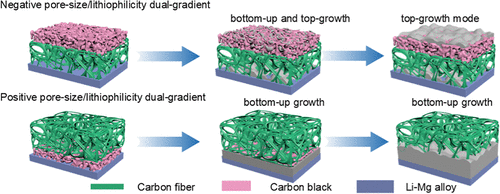
Enabling Bottom-Up Li Deposition: A Smart Pore-Size/Lithiophilicity Dual-Gradient Three-Dimensional Host
Zhicui Song - ,
Zihao Wang - ,
Chaohui Wei - ,
Jianxiong Xing - ,
Qiang Zhao - ,
Aijun Zhou - ,
Qijiu Deng - ,
Hong Li *- , and
Jingze Li *
The electrochemical performance of Li composite anodes can be enhanced by introducing a three-dimensional host structure with a gradient configuration. However, the undesirable Li dendrites and Li top-growth behavior are difficult to tackle since the conventional lithiophilicity/conductivity gradient is quickly attenuated with the cycling. Herein, a pore-size gradient is hybridized with a lithiophilic gradient by simply infiltrating molten Li–Mg alloy into the bottom of a double-layered carbon paper host consisting of a macroporous carbon fiber (CF) layer and a microporous carbon black (CB) particle layer. When the CF layer is on the upper side and the Li–Mg alloy is composited with the CB layer at the bottom, the as-formed dual-gradient electrode with the positive pore-size gradient shows the best performance compared with the nongradient, single lithiophilicity gradient, and negative pore-size dual-gradient Li composite electrodes. The symmetric cell with the positive pore-size dual-gradient electrode runs for 2200 h at 1 mA cm–2 and 1 mAh cm–2 in a carbonate-based electrolyte, and LiFePO4-based full cell with an extremely low negative/positive ratio of ∼1.26 demonstrates capacity retention of ∼85.7% after 650 cycles. The synergistic effect between the positive pore-size gradient and lithiophilicity gradient ensures a bottom-up Li deposition behavior and prevents the growth of Li dendrites, leading to improved performance toward practical applications.
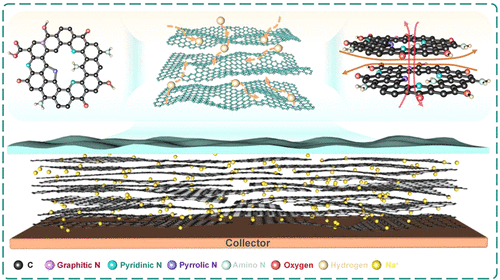
Unlocking Interlayer Confinement Enables All-Slope Hard Carbon with Ultrafast and Highly Reversible Sodium Storage
Peiyao Wang - ,
Shendong Xu - ,
Siya Wang - ,
Tianlai Xia - ,
Jin Bai - ,
Xuebin Zhu - ,
Yuping Sun - ,
Yongtao Li - ,
Xingqiao Wu *- ,
Xiaojun He *- ,
Bangchuan Zhao *- , and
Shulei Chou *
Addressing the rapid capacity decay of hard carbon anodes under high-current-density conditions remains a critical challenge for sodium-ion batteries. Conventional hard carbon materials suffer from strong interlayer confinement that severely hinders Na+ diffusion, leading to sluggish kinetics and irreversible ion trapping. Although expanding the slope region by introducing more active sites can improve rate performance, it often accelerates excessive SEI formation and reduces the initial Coulombic efficiency (ICE). Herein, we develop an amino N-guided through-pore engineering strategy that effectively mitigates interlayer confinement and enables all-slope-dominated sodium storage with rapid and reversible kinetics. Using a facile gas-phase-assisted pyrolysis process, we achieve simultaneous conversion of irreversible nitrogen configurations into highly reversible pyridinic N sites and in situ construction of vertically aligned through-pores directed by amino species. These amino groups not only passivate reactive edge sites but also facilitate the formation of a thin, gradient SEI enriched with subsurface fluorides, greatly reducing sodium loss and achieving an ultrahigh ICE of 94.9%. The resulting anode exhibits a high reversible capacity of 400.3 mAh g–1, exceptional rate performance (208 mAh g–1 at 50 A g–1), and outstanding cycling stability (92.5% capacity retention after 9000 cycles). This work highlights the crucial role of amino-mediated pore and defect management in synchronizing interfacial stability and ion transport kinetics, providing a viable design strategy for high-power alkali-ion batteries.
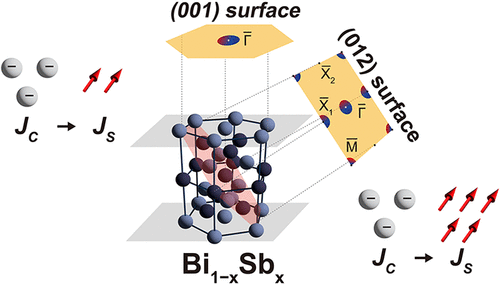
Colossal Spin Hall Conductivity in Charge-Massive Topologically Nontrivial Semimetal Phase of Bi1–xSbx (012)
Seungwon Rho - ,
Youngmin Lee - ,
Dameul Jeong - ,
Jaehan Park - ,
Hyeong-Jun Son - ,
Jaeseok Huh - ,
Dowoo Pyeon - ,
Young-Kyun Kwon - , and
Mann-Ho Cho *
Topologically nontrivial semimetals (TSMs) possess spin-momentum locked topological surface states (TSS) with high charge conductivity (σ), offering a platform for low-power spintronic applications. However, its spin Hall conductivity (σSH), another important factor for spintronic applications, remains largely unexplored. Here, we demonstrate that Bi1–xSbx in the TSM phase (x = 0.6–0.8), when grown along the distinct (012) orientation, exhibits a colossal σSH, far exceeding that of Pt. The σ of Bi1–xSbx (012) in the TSM phase is also 1 to 2 orders of magnitude higher than that of conventional topological materials. We reveal a crystal orientation-selective activation of TSS in charge-to-spin conversion (CSC) of Bi1–xSbx (012), in contrast to Bi1–xSbx (001), where CSC is bulk-dominated. Our density functional theory calculations reveal multiple Dirac cones on the (012) surface, providing a compelling explanation for the observed colossal σSH via a two-channel model that incorporates both bulk and surface contributions. Our findings suggest TSMs, particularly Bi1–xSbx (012), as an effective material system for next-generation low-power spintronic devices.
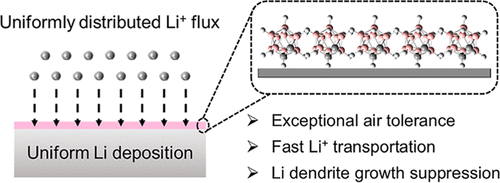
Self-Assembled o-Carborane Clusters Enabling Ambient/Electrochemical Dual-Stable Interphases for Dendrite-Free and High-Rate Lithium Metal Batteries
Yaoda Wang - ,
Junchuan Liang - ,
Tianyu Shen - ,
Xingkai Ma - ,
Zuoxiu Tie - , and
Zhong Jin *
The practical application of lithium (Li) metal batteries is severely hindered by the limited cycling lifespan and worrying safety concerns caused by unstable native solid electrolyte interphase (SEI) and uncontrollable Li dendrite growth. Herein, we report the spontaneous construction of a self-adsorbed o-carborane interfacial passivation layer on Li metal anodes via the electrostatic attraction between o-carborane molecules and Li metal. The electrochemically stable o-carborane clusters can fully participate in the formation of a hybrid SEI, which is endowed with high chemical inertness and structural stability, thus effectively preventing Li metal from electrolyte corrosion. Furthermore, the as-formed o-carborane-rich SEI can promote uniform distribution of Li+ flux and accelerate Li+ transfer, thereby avoiding dendritic Li formation and enhancing Li plating/stripping reversibility. Consequently, the Li||Li symmetric batteries assembled with o-carborane modified Li metal (o-carborane/Li) electrodes can cycle stably for over 800 h at 1.0 mA cm–2 in carbonate-based electrolytes and 1000 h at 4.0 mA cm–2 in ether-based electrolytes. The assembled o-carborane/Li||LiFePO4 and o-carborane/Li||LiNi0.8Co0.1Mn0.1O2 batteries also achieve exceptional cycling reversibility, prolonged operation lifespan, and superior rate performance. This work offers a promising strategy to develop intriguing self-adsorbed passivation layers for the development of dendrite-free and high-rate Li metal batteries.
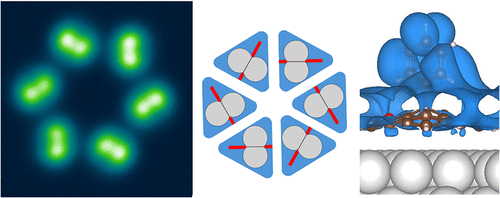
Orientational Order of Phenyl Rotors on Triangular Platforms on Ag and Au(111)
Behzad Mortezapour - ,
Sebastian Hamer - ,
Rainer Herges - ,
Roberto Robles *- , and
Richard Berndt *
This publication is Open Access under the license indicated. Learn More
We investigated trioxatriangulenium functionalized with phenyl (phenyl-TOTA) on the (111) surfaces of Ag and Au using low-temperature scanning tunneling microscopy (STM) and density functional theory (DFT). On Ag(111), the molecules form hexagonal arrays, and on Au(111), honeycomb patterns are also observed. The orientations of the phenyl moieties are resolved on both substrates. On Ag(111), the orientations are parallel within a row and they differ by approximately 60° between adjacent molecular rows, and STM images suggest dimerization of the molecules. DFT calculations for Ag(111) reveal that van der Waals interactions dominate this system. The optimized structure matches the experimental pattern, and the simulated STM images exhibit apparent dimerization. The dimerization results from an asymmetry of the phenyl wave function, which reflects intramolecular hydrogen bonding between the ligand and an oxygen atom within the triangulenium platform. The orientation of the phenyl moieties is explained by the interaction of each phenyl subunit with its triangulenium platform combined with the direct long-range interaction between phenyl moieties across molecules.
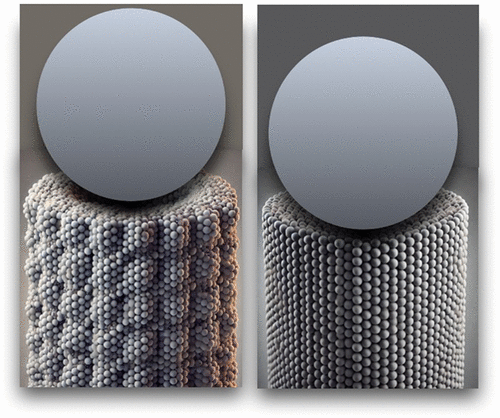
Frictional Unlocking and Energy-Controlled Constrained Densification in Nanoparticle Networks
Nathan Frédéric Gaston Michel Bigan - ,
Jin Wang - ,
Marc Pascual - ,
Achille Guitton - ,
Maroua Ben Haddada - ,
Amin M’Barki - ,
Erio Tosatti - ,
Antoine Niguès - , and
Alessandro Siria *
Nanoparticle networks, characterized by strong interparticle adhesion and structural rigidity, are typically considered resistant to dynamic reorganization under mechanical perturbation, unlike thixotropic gels or granular materials that fluidize when agitation exceeds critical thresholds. Using high-resolution atomic force microscopy (AFM) coupled with dynamic mechanical analysis, this study examines a frictional unlocking mechanism in porous sintered silver nanoparticle networks, where small oscillatory strains trigger a reversible transition from a purely elastic to elastoplastic response. This nanoscale reorganization occurs through intermittent particle rearrangements that enable localized mobility while maintaining global network integrity, mediated by the conversion of oscillatory energy into grain-boundary shear. The results indicate that this mechanism represents one stage of a broader constrained densification pathway, in which nanoparticle networks evolve from a fluid-like, loosely connected state through distinct intermediate metastable configurations, each separated by well-defined energy barriers, before reaching a reversible solid-like state. This stepwise progression, quantified through energy dissipation measurements and microstructural analysis, contrasts with classical unjamming or liquefaction phenomena by preserving the structural continuity throughout the transition. By establishing links between nanoscale energy dissipation pathways and macroscopic mechanical responses, this work provides a framework for designing materials with tunable stiffness and dynamic adaptability. The findings are relevant to technologies such as electronic interconnects with stress-adaptive properties, powder-based additive manufacturing processes, and energy storage systems, where controlled nanoparticle mobility under operational stresses is important for long-term performance.
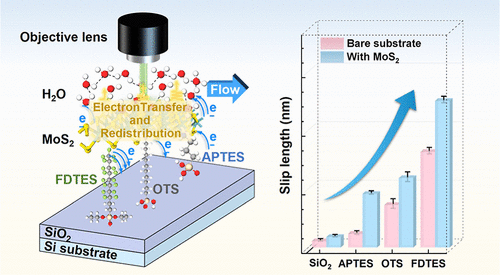
Electronic-Mediated Slip Regulation at MoS2–Water Interface via Self-Assembled Monolayers
Yishu Han - ,
Rui Zhang *- ,
Zhuolin Wu - ,
Huan Liu - ,
Jianbin Luo - , and
Dameng Liu *
Reducing friction at the solid–liquid interfaces is critical for improving the efficiency of fluid transport, underwater equipment, and microfluidic devices. While macroscopic strategies have achieved significant friction reduction, experimental investigation into the underlying microscopic mechanisms remains limited, especially from atomic and electronic perspectives. In this work, an order-of-magnitude enhancement in slip length at the MoS2–water interface is achieved via self-assembled monolayers (SAMs), accompanied by measurable changes in interfacial electronic properties. Spectroscopic analyses performed in both air and aqueous environments reveal that the electronic state of MoS2 is jointly modulated by SAMs and interfacial water. Exciton recombination behavior under optical excitation serves as an indirect probe of interfacial electron transfer. Combined surface potential measurements and density functional theory simulations indicate that changes in surface electronic states may influence charge density which, along with SAM-induced hydrophobicity, governs the observed slip behavior. Electrostatic gating experiments further decouples the contribution of substrate hydrophobicity, enabling a more precise interpretation of the interfacial electronic influence. These findings suggest that interfacial electrons contribute to slip behavior at solid–liquid interfaces and offer valuable insights into electronic effects in nanoscale friction.
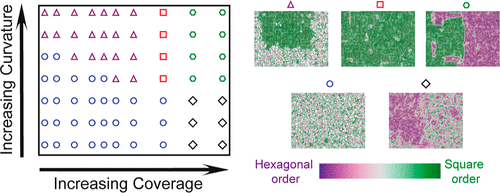
Self-Assembly of Anisotropic Particles on Curved Surfaces
Gautam Bordia - ,
Thomas P. Russell - , and
Ahmad K. Omar *
The surface curvature of membranes, interfaces, and substrates plays a crucial role in shaping the self-assembly of particles adsorbed on these surfaces. However, little is known about the interplay between particle anisotropy and surface curvature and how they couple to alter the free energy landscape of particle assemblies. Using molecular dynamics simulations, we investigate the effect of prescribed curvatures on a quasi-2D assembly of anisotropic patchy particles. By varying curvature and surface coverage, we uncover a rich geometric phase diagram, with curvature inducing ordered structures entirely absent on planar surfaces. Large spatial domains of ordered structures can contain hidden microdomains of orientational textures imprinted by the surface on the assembly. The dynamical landscape is also reshaped by surface curvature, with a glass-like state emerging at modest densities and high curvature. Changes to the symmetry of the surface curvature are found to result in distinct structures, including phases with mesoscale ordering. Our findings show that the coupling between surface curvature and particle geometry opens an unexplored space of morphologies and structures that can be exploited for material design.
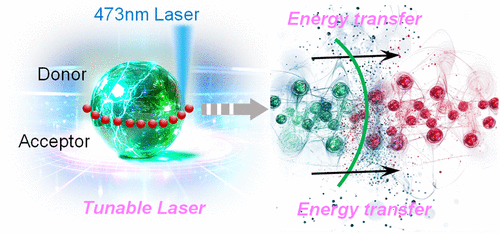
Quantum Dots-Engineered Microlasers with Bidirectional Wavelength Tuning for Single-Cell Biosensing
Yiqian Fu - ,
Chunxiao Wu - ,
Siqi Lin - ,
Li Chen - ,
Jinping Zhang - ,
Jinsong Lu - ,
Xiaotong Meng - ,
Pu Wang - , and
Xiu-Hong Wang *
While microlasers have revolutionized on-chip photonics, their spectral tunability remains constrained by conventional bandgap engineering and cavity reconstruction, limiting the dynamic range. Here, we introduce fluorescence resonance energy transfer (FRET) as a transformative mechanism for bidirectional, programmable wavelength tuning in whispering gallery mode (WGM) microlasers. Through strategic engineering of quantum dot-based donor–acceptor systems at the cavity interface, we demonstrate (1) forward FRET-WGM enabling blue shift via intra-to-extra-cavity energy transfer and (2) reverse FRET-WGM achieving red shift through extra-to-intracavity coupling. A semiclassical rate equation model quantitatively predicts tuning trajectories, revealing FRET-driven gain competition as the dominant spectral selector. When deployed as intracellular biosensors in living cancer cells, these FRET-WGM microlasers achieve 19.8 pM detection sensitivity for carbon quantum dots, a 5000-fold improvement over conventional confocal microscopy, while maintaining wavelength stability despite photobleaching. This study establishes RET-WGM as a versatile platform for quantitative single-cell analysis and enables future developments in reconfigurable nanophotonics and precision biomedicine.

Identifying the Relaxative Internal Friction Behavior of Mn2+/Mn3+ Redox in Na4Fe1.5Mn1.5(PO4)2(P2O7) Cathode for Sodium-Ion Batteries
Wenbin Fei - ,
Yulei Sui *- ,
Yuxuan Liu - ,
Yian Wang - ,
Xiaoping Zhang - ,
Mengting Deng - ,
Chengdong Tao - ,
Haowen Quan - , and
Ling Wu *
Fe–Mn-based phosphate material (Na4Fe3–xMnx(PO4)2(P2O7)) demonstrates a significantly higher average voltage and energy density compared to Fe-based phosphate material (Na4Fe3(PO4)2(P2O7)). However, its practical application is hindered by issues such as anomalous prolongation of Mn2+/Mn3+ deintercalation platform and poor cycling stability, and the failure mechanisms of Fe–Mn-based phosphate material are still shrouded in mystery. This research uncovers the relaxative internal friction behavior of Mn2+/Mn3+ redox during the structural evolution of Na4Fe1.5Mn1.5(PO4)2(P2O7), highlighting its dual nature. The three Mn sites within the lattice exhibit distinct coordination environments, reactivities, and resistances to Jahn–Teller distortion, leading to relaxative internal friction during sodium extraction. The distortion of [MnxO6] octahedra facilitates Na+ diffusion but also results in lattice mismatch and voltage hysteresis, causing rapid electrode degradation. Additionally, this study identifies a connection between relaxative internal friction and the orbital electron behavior of Mn3+ under Jahn–Teller distortion. To mitigate adverse effects, typical 2p/3d/4d elements are screened, revealing that Cr3+ effectively reduces [MnO6] distortion by inhibiting Mn3+ orbital splitting, thus decreasing voltage hysteresis and enhancing cycling stability. Furthermore, targeted defect engineering is employed to eliminate impurities and improve Na+ migration. These findings provide valuable insights and strategies for the practical application of Fe–Mn-based phosphate cathode materials.

Single-MicroRNA Detection on High-Selectivity Metasurface Fluorescence Biosensors
Masanobu Iwanaga *
This publication is Open Access under the license indicated. Learn More
Next-generation diagnostics is expected to use the abundant data on living bodies and provide sufficiently useful healthcare information. A significant portion of the data are considered to be collected from microRNAs (miRNAs), which play crucial roles in various activities inside the body. Here, we demonstrate single-miRNA detection using metasurface fluorescence (FL) biosensors, which are optimized all-dielectric nanostructured surfaces featuring excellent FL detection capability. Ultimate high-sensitivity discrimination of one miRNA from zero miRNA is achieved at the subattomolar level by employing optimized reverse transcription (RT) of miRNAs, polymerase chain reaction (PCR) suppressing false reactions, and highly efficient and target-selective FL detection of the miRNA amplicons on the metasurface biosensors using appropriately designed oligo DNA probes. This degree of precision has never been obtained using any other technique, such as digital PCR, which is currently one of the most efficient techniques. Furthermore, we demonstrate the specific detection of a cancer-correlated miRNA that is deeply mixed with another miRNA. We also examine and discuss other methods that possibly work for miRNA detection at femtomolar or lower concentrations, such as chromatography and different amplification methods, including handy one-step RT-PCR.

Iridium Single-Atom-Modulated Nickel Hydroxide for Boosting Overall Water Splitting
Rui Wan - ,
Yuguang Wang - ,
Xiaoxiao Wu - ,
Bin Chen *- , and
Guowen Meng *
Developing bifunctional electrocatalysts for the hydrogen evolution reaction (HER) and oxygen evolution reaction (OER) with high activity and stability at industrial current density remains an urgent priority. Herein, we present a facile one-step hydrothermal strategy under mild conditions to fabricate Ir single-atom (SA)-modulated ultrathin nickel hydroxide nanosheets on nickel foam (denoted as Ir–Ni(OH)2/NF), serving as a structurally integrated bifunctional electrode for robust water electrolysis. The incorporation of Ir triggers Ni(OH)2 to transform from a p-type semiconductor to an n-type semiconductor, substantially increasing carrier concentration and creating abundant oxygen vacancy on the Ni(OH)2 surface to immobilize Ir–SAs through strong Ir–O–Ni bonds, which optimizes the local electronic environments of Ir and Ni sites. Density functional theory calculations unveil that the Ir–SAs demonstrate an appropriate valve of ΔGO*–ΔGOH* and activate the Ni sites for the OER, following the adsorption evolution mechanism (AEM) pathway. Meanwhile, the Ni sites promote water dissociation and supply continuous protons to Ir sites for facilitating HER. Consequently, the Ir–Ni(OH)2/NF electrode achieves overpotentials of only 23 mV for HER and 217 mV for the OER at 10 mA cm–2 in a 1.0 M KOH solution. More importantly, an efficient anion exchange membrane water electrolysis (AEMWE) electrolyzer is assembled by the structurally integrated Ir–Ni(OH)2/NF electrode as both liquid–gas diffusion layer and catalyst layer of the anode and cathode, which requires an ultrasmall cell voltage of 1.54 V to drive a high current density of 500 mA cm–2 with long-term stability for over 225 h. This work may provide a pathway to the rational design of bifunctional electrocatalysts.
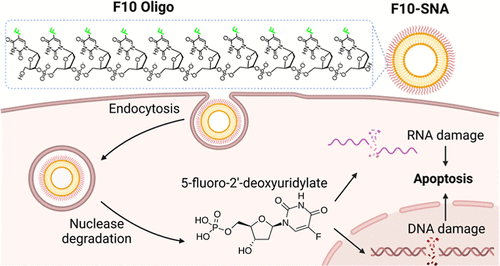
Chemotherapeutic Spherical Nucleic Acids
Taokun Luo - ,
Young Jun Kim - ,
Zhenyu Han - ,
Jeongmin Hwang - ,
Sneha Kumari - ,
Vinzenz Mayer - ,
Alex Cushing - ,
Roger A. Romero - , and
Chad A. Mirkin *
Herein, we describe experiments showing that liposomal spherical nucleic acid (SNA) constructs comprised of 5-fluorouracil (5-Fu) are selectively taken up by myeloid cells, including acute myeloid leukemia (AML) cells, and act as chemotherapeutics. Specifically, SNAs with biocompatible phospholipid-based liposome cores and oligonucleotides consisting of 10 units of the chemically interconnected 5-fluoro-2′-deoxyuridine, were designed and synthesized. These oligonucleotides are modified in the 3′ position with hexaethylene glycol and cholesterol end groups, which allow them to be anchored to the liposomal cores. Small-molecule drugs like 5-Fu are conventionally delivered via encapsulation in the liposome interior, but restructuring them in the form of an SNA increases their cellular uptake by up to 12.5-fold and enables preferential delivery to AML cell lines. Up to 4 orders of magnitude enhancement in cell killing was observed using chemotherapeutic SNAs compared to the free small molecule 5-Fu in vitro. In a human AML model based on immunodeficient mice, the chemotherapeutic SNA exhibited 59-fold better antitumor efficacy than 5-Fu and improved AML-associated hematological markers without observable side effects. This study highlights the advantages in potency that can be realized when chemotherapeutics are integrated within SNAs, and it underscores how the structure of nanomedicine can profoundly impact both chemotherapeutic delivery and cell targeting.
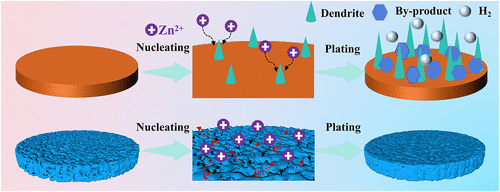
Elucidating the Role of Porous Zn Anode in Improving Zn Nucleation and Growth Behavior for Aqueous Zn-Ion Batteries
Zhenhan Li - ,
Chi Zhang - ,
Yan Wang - ,
Tianyi Kou - ,
Xiangyu Fei - ,
Huizhi Wu - ,
Guanhua Cheng - , and
Zhonghua Zhang *
Achieving uniform deposition of metallic Zn and maintaining interfacial chemical stability are critical to addressing the dual challenges of dendrite formation and severe side reactions in aqueous Zn-ion batteries (AZIBs). Porous structure has been shown to mitigate these issues, but the relationship between dynamic deposition behavior of Zn and electrochemical performance in porous Zn anodes remains poorly understood. Herein, a selective phase etching strategy was employed to fabricate self-supporting porous Zn anodes (P–Znx, x = 20, 40, 55 and 70) with a three-dimensional bicontinuous ligament/pore structure. Through multiple in situ techniques (X-ray diffraction, impedance spectroscopy and optical microscopy) with finite element simulation, we investigated the dynamic nucleation and growth behavior of metallic Zn on the porous Zn anode. As benchmarked with a planar Zn free of pores, the optimized P–Zn40 anode with abundant nucleation sites and strong (101) preferred orientation shows lower nucleation overpotential and uniform Zn plating without dendrite formation. Furthermore, the P–Zn40 anode delivers excellent cycling stability for 1000 h at 0.5 mA cm–2 in symmetric cells. More importantly, coupled the P–Zn40 anode with a NH4+-intercalated V2O5 cathode, the full cell displays superior cycling performance (1000 cycles with capacity retention of 85.9%) and rate capability, with negligible H2 evolution as revealed by online differential electrochemical mass spectrometry. These findings provide valuable insights into the design of high-performance anodes for AZIBs.
Additions and Corrections
Correction to “Multimode Operation of a Superconducting Nanowire Switch in the Nanosecond Regime”
Zoltán Scherübl - ,
Mátyás Kocsis - ,
Tosson Elalaily - ,
Lőrinc Kupás - ,
Martin Berke - ,
Gergő Fülöp - ,
Thomas Kanne - ,
Karl Berggren - ,
Jesper Nygård - ,
Szabolcs Csonka *- , and
Péter Makk *
This publication is Open Access under the license indicated. Learn More
Mastheads
Issue Editorial Masthead
This publication is free to access through this site. Learn More
Issue Publication Information
This publication is free to access through this site. Learn More