


About the Cover:
This cover art visualizes ruthenium-doped carbon dots as a multifunctional nanoplatform for Pb2+ and cysteine sensing, as catalase mimics, and in cellular antioxidant defense.
View the article.Articles
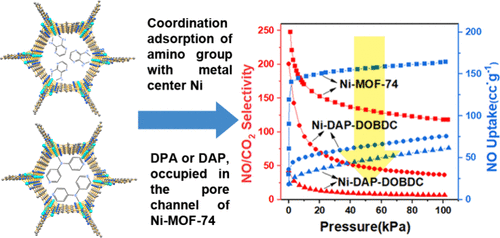
The Weakening Effect of the Coordinate Modification of Amino Ligands on the Porosity and NO Adsorptive Separation Performance of Ni-MOF-74
Xinyu Yue - ,
Yile Mu - ,
Han Zhang - ,
Sisi Wang - ,
Hao Li - , and
Fushun Tang *
In this paper, di(pyridyl-4-yl) amine (DPA) containing one −NH amino group and 2,3-diaminopyrazine (DAP) containing two −NH2 amino groups were used for the direct modification of Ni-MOF-74, and the effect of the introduction of auxiliary ligands with different numbers of amines on the NO adsorption and separation performance of Ni-MOF-74 were systematically explored. The results showed that the new MOFs with a dual-ligand structure could not be synthesized successfully but the framework structure of the product remained unchanged with only a slight reduction in pore size. After the introduction of DPA and DAP, the NO adsorption separation performance of Ni-MOF-74 were significantly reduced with the decrease of NO adsorption capacity from 164.4 cc·g–1 to 61.5 cc·g–1 and 75.8 cc·g–1, respectively, and NO/CO2 adsorption selectivity from 247.7 to 42.4 and 200.3, respectively. It can be inferred that the amino functional groups on DPA and DAP both coordinated with the metal center Ni, leading to a loss of their NO adsorption function and weakening the chemisorption of Ni-MOF-74. Meanwhile, DPA and DAP occupied the two-dimensional pores of Ni-MOF-74, causing severe pore blocking and hindering the diffusion of gas adsorption molecules within the pores, especially when larger-molecule DPA was introduced. Under the dual effects, the number of available and accessible NO adsorption sites on Ni-MOF-74 was reduced after the introduction of DPA and DAP. Therefore, the functionalization modification method after the adsorptive coordination of amino ligands was not conducive to improving the NO adsorption and separation performance of MOF materials. This study offers new perspectives on synthesizing and modifying MOFs for NO adsorption and separation in flue gas mixtures.
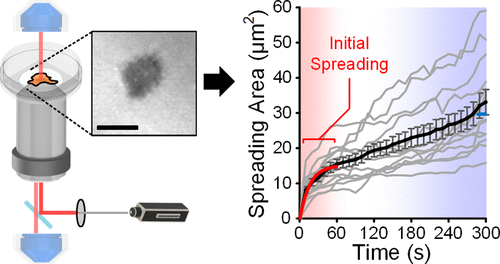
Interfacial Energy Balance Governs Initial Cell Spreading Dynamics
Jifeng Ren - ,
Shuhuan Hu *- ,
Yi Liu - ,
Siping Huang - ,
Jingqian Zhang - ,
Qi Gao - ,
King Wai Chiu Lai - , and
Raymond H. W. Lam *

This publication is free to access through this site. Learn More

ACS Editors' Choice® is a collection designed to feature scientific articles of broad public interest. Read the latest articles
Cell spreading is a fundamental process in physiological and pathological contexts, including tissue formation, wound healing, and cancer cell extravasation. Previous studies have examined biophysical mechanisms governing early spreading (around 1–10 min) while biomolecular processes also begin to emerge, yet initial spreading in an even earlier stage (<1 min) remains largely unexplored. Here, we present a deterministic model based on interfacial energy balance─integrating strain energy, surface adhesion energy, and viscous dissipation─to quantitatively describe initial spreading dynamics. Using interference reflection microscopy (IRM), we characterize spreading behaviors of three breast cell lines (MCF-10A, MCF-7, and MDA-MB-231) on extracellular matrix-coated substrates. Model predictions, incorporating biomechanical and biochemical parameters measured through IRM and atomic force microscopy (AFM), show strong agreements with experimental observations. This work provides a universal framework for understanding initial spreading and offers insights into strategies to regulate initial cell spreading, with potential applications in cancer treatment and tissue engineering.
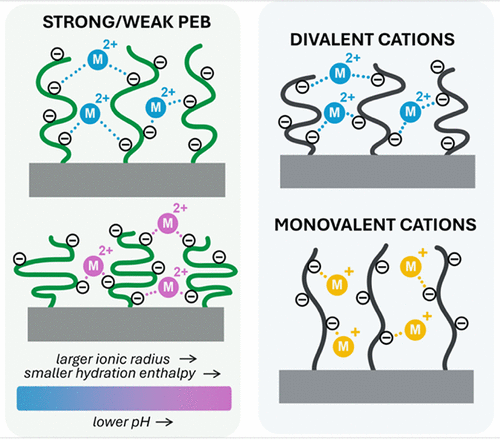
Anion- and Cation-Specific Response of the Aqueous Conformation of Strong and Weak Polyanionic Brushes
Claudia Bertei - ,
Emiliano Bilotti *- , and
Julien E. Gautrot *

This publication is Open Access under the license indicated. Learn More
Polyelectrolyte brushes (PEBs) are surface-tethered polymer chains bearing ionizable groups, whose structure and behavior are highly sensitive to environmental stimuli. When in solution, their response to ions makes them attractive for a variety of applications, including drug delivery, sensing, and smart coatings. In this study, we systematically investigate the specific effect of a wide range of divalent cations and counterions on the swelling behavior of strong and weak anionic PEBs, specifically poly(3-sulfopropyl methacrylate) (PSPMA) and poly(acrylic acid) (PAA) brushes. The brushes were synthesized via surface-initiated atom transfer radical polymerization (Si-ATRP) and investigated using in situ ellipsometry and X-ray photoelectron spectroscopy (XPS) to assess swelling behavior and ion retention. Various parameters, including brush thickness, electrolyte chemistry, ionic strength, and pH, were examined. The brushes exhibited significantly different swelling responses depending on the specific ion introduced in solution. Correlations between the observed swelling behavior and key ionic parameters, including hydration enthalpy, ionic radius, pH, and ionic strength, were established. Collectively, these findings offer new insights into ion-specific responsiveness in PEBs and inform the design and optimization of advanced responsive materials for applications in selective ion binding, tunable hydration, and surface functionalization.
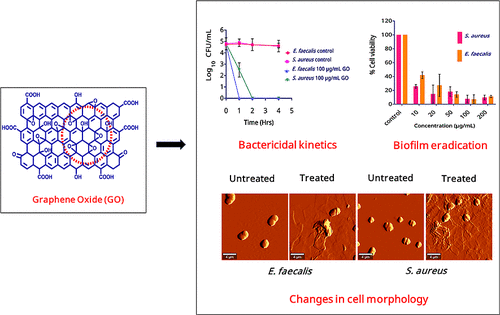
Antibacterial and Antibiofilm Efficacy of Graphene Oxide Nanomaterials against Gram-Positive Bacteria: Mechanistic Approaches to Understand the Membrane Damage and Oxidative Stress in Cells
Anjali Singh - ,
Soumyasri Nikhilesh Mahapatra - ,
Sayani Mitra - ,
Nisha Yadav - ,
Bimlesh Lochab - , and
Kasturi Mukhopadhyay *
The global rise of antimicrobial resistance (AMR) underscores the urgent need for novel antibacterial agents, particularly those based on two-dimensional (2D) nanomaterials, such as graphene oxide (GO). In this study, GO was synthesized from graphite using an improved Hummer’s method optimized for scalability, safety, and environmental sustainability. The protocol eliminates hazardous sodium nitrate and substitutes highly corrosive sulfuric acid with milder phosphoric acid, which serves dual roles as an oxidizing and intercalating agent. This facilitates edge and surface etching, resulting in an oxo-functionalized GO with high aqueous stability and uniform dispersion. The antibacterial efficacy of the synthesized GO was evaluated against two Gram-positive bacteria, Enterococcus faecalis (ATCC 29212) and Staphylococcus aureus (ATCC 29213). The concentration and time-dependent killing efficacy of GO demonstrated the rapid killing of 5 log10 CFU/mL bacterial cells at 200 μg/mL within 1 h. The biofilm eradication potential of GO was explored, where ∼92% reduction in biofilm cell viability was noted at 100 μg/mL against both bacteria. The oxidative stress induction was assessed by Ellman’s assay, and a concentration-dependent loss of glutathione was noted up to 36.01% at 200 μg/mL. The membrane permeabilization ability was analyzed by the propidium iodide (PI) uptake assay, where significant permeabilization was observed at 50 μg/mL or higher. The antibacterial mechanisms were further corroborated by atomic force microscopy and scanning electron microscopy, which revealed the morphological distortions attributed by the nanoknife-like edges of GO. The hemolytic assay against mice red blood cells indicated minimum to negligible toxicity of GO when tested up to 400 μg/mL, confirming its safety toward mammalian cells. Overall, these findings reinforce the potential of this safely synthesized GO as a multifunctional nanomaterial with significant potential for biomedical applications like antimicrobial coatings and wound dressings and for environmental applications including water purification and disinfection.

Kinetic Control in the Self-Assembly of Rigid Sphere–Rod Amphiphiles
Jingfan Wei - ,
Yifan Zhou - ,
Xiangqian Li - ,
Hao Liu - ,
Kexing Xiao - , and
Tianbo Liu *
This study explores the kinetics regulating the self-assembly of a series of rigid, T-shaped sphere–rod amphiphiles, which contain hydrophilic Keggin clusters and hydrophobic oligodihexylfluorene rigid rods (KTOF) with tunable lengths of 2 to 6 repeating units, i.e., KTOF2 to KTOF6. Their self-assembly is triggered by the dropwise addition of poor solvent into their good solvent solutions, leading to the formation of vesicles, onion-like structures, and incomplete onion-like structures, respectively. The water titration speed is found to be directly correlated with the final assembly size, and this dependence is more pronounced for hybrids with shorter rods. To further investigate the size dependence of the assemblies, the changes in turbidity during the self-assembly process were monitored over time and fitted to the Avrami equation, revealing distinct self-assembly kinetics for hybrids with different rod lengths: amphiphiles with longer rigid hydrophobic rods grow via unimer insertion, whereas those with shorter rods exhibit dual growth modes, including unimer insertion and vesicle fusion.
One-Step Construction of SrTiO3–TiO2 Interfaces for Efficient NO Removal via Visible-Light Photocatalysis
Phuong Hoang Nguyen - ,
Hoa Cong Nguyen - ,
Quang Minh Nguyen Ho - ,
Trang Thu Thi Nguyen - ,
Thi Minh Cao - , and
Viet Van Pham *
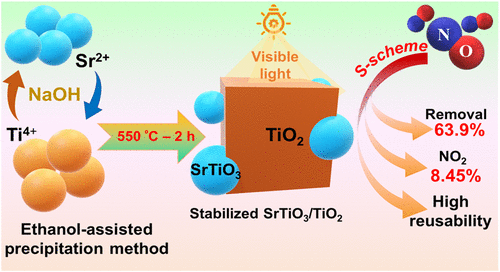
The development of visible-light-responsive photocatalysts for effective nitrogen oxide (NOx) abatement is critical for addressing urban air pollution. In this study, SrTiO3/xTiO2 (with x being the molar ratio of Ti over Sr) heterojunction photocatalysts were synthesized via a facile one-step precipitation method, involving ethanol-mediated precursor coordination, mild alkaline induction, and subsequent thermal activation. This approach enabled the direct incorporation of TiO2 into the SrTiO3 framework with tunable Ti precursor ratios, facilitating precise control over the heterojunction interface and significantly enhancing visible-light absorption. The composites were specifically designed to target the photocatalytic removal of nitric oxide (NO), which is the most reactive and dominant component of NOx pollutants. Structural, morphological, and optical characterizations confirmed the successful formation of the SrTiO3/TiO2 heterojunction with intimate interfacial contact and broadened light absorption range. Among the series, the SrTiO3/2TiO2 heterojunction demonstrated the highest NO removal efficiency (63.89%), the lowest NO2 generation (8.45%), rapid reaction kinetics, and excellent stability across multiple cycles, significantly outperforming both pristine SrTiO3 and TiO2. The enhanced photocatalytic performance is attributed to improved interfacial charge separation and efficient charge transfer processes, which facilitate the generation of reactive oxygen species, primarily superoxide and hydroxyl radicals. This work highlights the effectiveness of the SrTiO3/TiO2 heterojunction, synthesized via a facile one-step route, as a promising candidate for visible-light-driven NOx abatement and advanced photocatalytic air-purification technologies.

Magnetic Nanoparticle Chaining Alters Fluid Rheology and Ion Concentration Polarization in Converging Microchannels
Anindita Bhattacharya - and
Suman Chakraborty *
We demonstrate how magnetic nanoparticles, through field-induced chaining and the resulting non-Newtonian magnetorheological behavior, substantially modulate ion concentration polarization in converging microchannels. Rather than direct magnetic trapping, it is the altered fluid rheology under applied magnetic fields that governs the extent of depletion and enrichment.. A coupled Poisson–Nernst–Planck and Navier–Stokes model was extended with a Bingham-like constitutive law to capture non-Newtonian rheology. Simulations reveal that the electric force to viscous force parameter C1, inverse of bulk concentration parameter C2, MR coupling parameter C3 and transport parameter Pe jointly regulate enrichment. For Newtonian fluids, the enrichment factor (EF) saturates at EF ≈ 3, whereas MR fluids exhibit up to a 3-fold enhancement (EF ≈ 10) at high C3. Mesh refinement and enrichment-window sensitivity tests indicate numerical uncertainties of 5–7%. These results demonstrate how magnetic-field-tunable rheology can synergistically amplify ICP-based preconcentration, offering a strategy to design next-generation microfluidic enrichment platforms.
Investigation of Interfacial Charge Transfer in a Ag/MBA/P3HT Sandwich System via Surface-Enhanced Raman Scattering
Yuxin Sun - ,
Nannan Yang - ,
Lu Yang - ,
Eungyeong Park - ,
Jiku Wang *- ,
Lei Chen *- , and
Young Mee Jung *
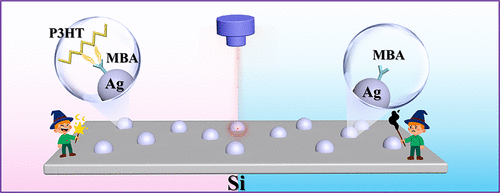
A silver/mercaptobenzoic acid/poly(3-hexylthiophene) (Ag/MBA/P3HT) composite system with a tunable concentration of P3HT was fabricated via layer-by-layer self-assembly for surface-enhanced Raman scattering (SERS) applications. Notably, the SERS intensity of MBA systematically increased and reached a maximum at a P3HT concentration of 10–5 g/mL. Mechanistic studies revealed that the incorporation of P3HT significantly enhanced the electronic conjugation within the composite system through π–π interactions between P3HT and MBA molecules. The improved electron delocalization facilitated better matching between molecular vibrational excited states and charge transfer (CT) processes, thereby promoting the efficient transfer of electrons from the Ag substrate to MBA molecules. As the P3HT concentration further increased, the extended conjugation network enhanced the CT efficiency in the Ag/MBA/P3HT system, resulting in a strong positive correlation between the SERS intensity and P3HT concentration. This study provides valuable theoretical insights and practical strategies for developing high-performance SERS-active substrates.

Reversible Adsorption and Interfacial Photoisomerization of Azobenzene Surfactants Studied by QCM
Maren Umlandt - ,
Philipp Ortner - ,
Nino Lomadze - ,
Marek Bekir - ,
Svetlana Santer *- , and
Yulia D. Gordievskaya *
This publication is Open Access under the license indicated. Learn More
Photoresponsive surfactants offer a versatile approach for remotely controlling interfacial properties through light-triggered isomerization. Among them, azobenzene-based surfactants are particularly attractive due to their structural reversibility and stability under repeated irradiation. In this study, we investigate the dynamic adsorption and desorption behavior of the azobenzene-containing surfactant AzoC6 at a glass–water interface under controlled UV and blue-light illumination. Using quartz crystal microbalance (QCM) measurements, we show that the interfacial mass change is governed by the isomeric composition in the bulk solution: the trans isomer exhibits strong adsorption, while the cis isomer is significantly less surface-active. We further quantify the photoisomerization kinetics at the interface, revealing that the isomerization rate constant decreases with a lower trans isomer concentration due to a transition from a diffuse multilayer to a confined double-layer structure. At higher concentrations, the rapid exchange between trans and cis isomers sustains dynamic interfacial rearrangements, facilitating the formation of spatial isomer gradients. These gradients generate light-driven diffusio-osmotic flows, with a time evolution that reflects the interfacial photoresponse. Our findings provide mechanistic insight into light-induced interfacial processes and highlight the potential of azobenzene surfactants for designing stimuli-responsive systems and soft materials with remote, reversible control.
Hydrophilic/tert-Butanol-Repellent amine-modified glucose-Precipitated Polymer for Efficient Azeotrope Breaking and Water Treatment
Ruidong Ming - ,
Siye Liu - ,
Qingyi Su - ,
Zhengliang Du - ,
Yang Hu - ,
Xianze Yin *- , and
Yiheng Song *
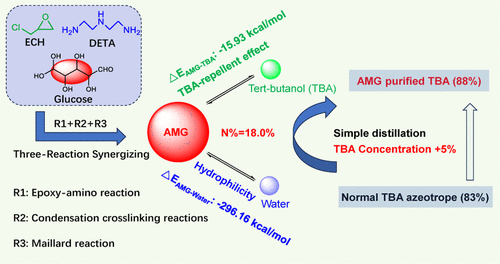
The development of aminated polysaccharide materials is often hampered by a low amine grafting efficiency and high energy consumption. Herein, we report a novel one-pot precipitation polymerization strategy for the facile and scalable synthesis of amine-modified glucose (AMG) by synergistically integrating three distinct reactions: the epoxy-amine addition for oligomer formation, the condensation cross-linking for constructing robust networks, and the Maillard reaction for dramatically enhancing amine grafting sites. This synergistic approach enables a high nitrogen content (18.0%) and a positive surface charge (+31.3 mV) in the resulting AMG. More importantly, the AMG exhibits a unique “hydrophilic and tert-butanol (TBA)-repellent” effect, which is mechanistically unraveled by a significant disparity in binding energy with water (−296.16 kcal/mol) versus TBA (−15.93 kcal/mol), as confirmed by molecular dynamics simulations. Through this effect, AMG successfully breaks the water-TBA azeotropic equilibrium that has been unreported, increasing the TBA concentration by 5% from that of its azeotrope via a simple distillation process. Furthermore, the obtained AMG demonstrates excellent and selective adsorption capacity for anionic dyes. This work provides a novel strategy for designing functional amino polysaccharides and develops a new technology for TBA azeotrope separation.
Hierarchically Porous Bimetallic Dual-Metal–Organic Frameworks for Synergistic and Selective Adsorption of Thiophenic Sulfur: A Density Functional Theory-Validated Metal–Sulfur Coordination Mechanism
Qiaolan Yu - ,
Zhouheng Xia - ,
Xiaojing Zhou - ,
Na Ma - , and
Wei Dai *
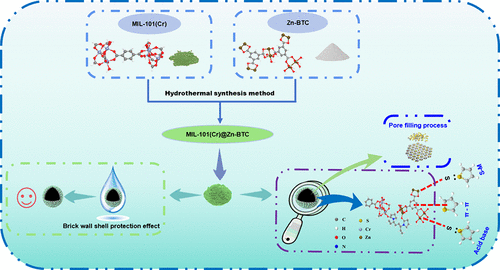
Owing to their uniform microporous structure, monometallic MOFs often suffer from an inherent trade-off between mass transfer resistance and adsorption capacity, making it challenging to integrate both high adsorption kinetics and large capacity within a single adsorbent. To address this issue, this study proposes a MOF@MOF design strategy based on the coupling of bimetallic synergy and hierarchical porosity effects, through which a (MIL-101(Cr))@(Zn-BTC) composite with a well-defined “micro–meso–macroporous” hierarchical architecture is successfully constructed. Batch adsorption experiments demonstrate that the composite achieves a high saturated adsorption capacity of 161 mg/g for thiophene sulfur (Thiophene-S) under ambient temperature and pressure. The adsorption kinetics follow the pseudo-second-order model, and the isotherm data are well fitted by the Freundlich equation, suggesting a multilayer adsorption mechanism. Notably, owing to the macroporous cavity structure of Zn-BTC, the composite exhibits significantly enhanced diffusion kinetics─within the same adsorption period, its adsorption capacity reaches twice that of pure MIL-101(Cr). Moreover, the material effectively retains its adsorption performance even after water treatment, alleviating the capacity attenuation commonly observed in conventional MOFs under aqueous conditions. Mechanistic studies reveal that the high desulfurization performance of (MIL-101(Cr))@(Zn-BTC) stems from the synergistic contributions of high specific surface area, metal–sulfur coordination, π–π interactions, and acid–base cooperative effects. Further insights from DFT calculations and XPS characterization indicate that the bimetallic synergy significantly narrows the HOMO–LUMO energy gap, thereby reducing the adsorption activation energy, while XPS confirms electron transfer from sulfur atoms in Thiophene-S to metal centers. This study provides a theoretical foundation and a material design strategy for developing bimetallic hierarchical porous adsorbents for desulfurization.

Sandwich-Structured Polypropylene/Polyurethane Composite Foam with High Thermal Insulation for Infrared Radiation Absorption
Chenguang Yang *- ,
Yangkang Xu - ,
Haiyang Liu - ,
Taotao Li - ,
Kun Yan - ,
Wenwen Wang - , and
Dong Wang *
With the increasing demand for green buildings and energy conservation, high-performance insulation foam materials with comprehensive properties will become the focus of research and development while also facing certain challenges. This study developed a Polypropylene/Polyurethane/Polypropylene (PP/PU/PP) sandwich foam via chemical foaming and nonsolvent-induced phase separation, with PP foam as outer layers and PU foam as the core. This unique structure enhances insulation performance by reducing the solid content to decrease phonon conduction, increasing gas conduction, minimizing the size of foam units to suppress convection, and reducing radiative heat transfer. Under the condition of an expansion ratio of only 3.71, its thermal conductivity drops significantly to 51.27 mW/(m·K). The PP outer layers effectively shielded the PU core from moisture and air, significantly improving the moisture resistance. Incorporating PTFE nanoparticles optimized the PP foam’s microporous structure and boosted mechanical strength, increasing the tensile modulus to 321 MPa. This scalable approach offers a strategy for the preparation of low foaming ratio and high thermal insulation performance foam.

Frictional Behavior and Tribofilm Formation of Organic Friction Modifiers under Severe Reciprocating Conditions
Marjan Homayoonfard *- ,
Sven L M Schroeder - ,
Peter Dowding - ,
Oliver Delamore - , and
Ardian Morina
This publication is Open Access under the license indicated. Learn More
In pursuing environmentally friendly lubrication solutions, it is advantageous to employ organic additives that are free from heavy metals and have low or zero levels of phosphorus and sulfur functionalities. Organic friction modifiers strongly reduce friction and wear when added to engine oils through the formation of an adsorbed boundary film on the contacting surfaces. The mechanism of tribofilm formation and its chemical effects on friction reduction are not entirely understood. In this study, the lubrication mechanism of OFM was investigated with a new approach combining three different acylglycerols with varying ratios. The lubricating performance of mixtures of glycerol monooleate (GMO), glycerol trioleate (triolein), and glycerol dioleate (GDO), as well as individual GMO and triolein in PAO4, was evaluated under the boundary lubrication regime at two temperatures, 60 °C and 100 °C. A synergetic effect on tribological performance has been observed for the mixture formulation. This resulted in lower friction and wear than the single additive in the base oil at both temperatures. The HRTEM analysis indicated that the combination of different acylglycerols provides a thicker tribofilm compared to the single additive. The ToF-SIMS and NEXAFS analyses of the resulting tribofilms showed that at a temperature of 60 °C, the main components of the tribofilm were compounds formed by GMO decomposition and oleate ions, indicating that chemisorption plays a significant role in reducing friction at lower temperatures for the tested OFM additives.

Predictive Wafer-Scale Copper Nanowire Fabrication Using Template-Assisted On-Substrate Electrodeposition
Maximilian Vergin *- ,
Georg Schöttler - ,
Andreas Waag - , and
Florian Meierhofer *
This publication is Open Access under the license indicated. Learn More
Precisely engineered metallic nanowire arrays offer a compelling solution for advanced electromechanical interconnects at room temperature, crucial for applications ranging from flexible electronics to 3D integrated circuits. However, their widespread adoption has been hindered by complex and costly fabrication methods. This work reports a streamlined and highly scalable route that overcomes these barriers, enabling the growth of uniform nanowire arrays directly on semiconductor substrates. Our method relies on template-assisted electrodeposition within a simple two-electrode plating chamber. A key aspect of this approach is the use of a melamine foam sponge, which applies uniform mechanical pressure to ensure consistent template-substrate contact and promote homogeneous growth. By combining this reliable synthesis with predictive Monte Carlo modeling of the template morphology, we achieve exceptional control over the final array geometry. Using copper as a model system, our charge-based electrodeposition provides excellent control over nanowire length and yields highly reproducible nanowires with diameters tunable from 100 to 1000 nm and a typical length deviation below ∼20% of the target. The practical utility of this method is validated by demonstrating that these arrays form robust and resilient electromechanical chip-to-chip bonding interfaces with excellent adhesion and conductivity. By providing an accessible and low-cost foundation for producing high-quality nanowires, this work significantly expands their potential for immediate use. This opens up future avenues for developing advanced devices, including high-density vertical interconnects, wearable biosensors, and efficient energy harvesting systems.

Theoretical Evaluation of γ-MX (M = Ge, Sn; X = S, Se) Monolayers as Promising Anchoring Materials for Sodium–Sulfur Batteries
Yu Liang - ,
Tianyu Wu - ,
Xuran Ma - ,
Zhiwen Zhuo - ,
Weiyi Wang *- ,
Shijie Xiong *- , and
Jiajun Wang *
Sodium–sulfur (Na–S) batteries hold significant promise for next-generation energy storage devices due to their high theoretical energy density and environmental friendliness. However, the practical applications are impeded by the polysulfide shuttle effect and sluggish redox kinetics. In this work, we explore the two-dimensional (2D) γ-phase group IV monochalcogenides (γ-MX, M = Ge, Sn; X = S, Se) as potential anchoring materials in Na–S batteries to solve the above issues based on first-principles calculations. The results show that these γ-MX monolayers have moderate adsorption energies toward both S8 and sodium polysulfides (NaPSs), which are conducive to mitigating the dissolution and shuttle effect of NaPSs. Notably, the γ-MX monolayers, particularly γ-GeS and γ-SnS, exhibit relatively low Gibbs free energy changes for the sulfur reduction reaction (SRR), as well as the energy barriers for Na2S decomposition, ensuring a fast charge/discharge rate and high sulfur utilization in Na–S batteries. Furthermore, the performance of γ-GeS and γ-SnS monolayers as anchoring materials in Na–S batteries can be further enhanced by applying biaxial strain. Our findings indicate that the 2D γ-phase group IV monochalcogenides possess significant potential for applications in Na–S batteries.

Bioactive Hydrogel-Interface-Modified Porous Titanium Alloy Scaffolds for Enhancing Osseointegration
You Zhou *- ,
Zhengkai Han - ,
Yunjin Li - ,
Yun Xue - ,
Jingshuang Zhang - ,
Xinyue Zhang *- , and
Rui Shi *
The inherent bioinertness of titanium alloy presents significant challenges for implants, including poor cell adhesion, restricted proliferation, and differentiation, ultimately hindering efficient osseointegration. To address this limitation, this study introduced a magnesium-incorporated gelatin-based macroporous hydrogel (Gelatin-Mg) bioactive interface. This hydrogel modified the surface of porous titanium alloy scaffolds, enhancing osseointegration through a dual mechanism: (1) promoting cell adhesion and proliferation on the scaffold surface and (2) synergistically leveraging magnesium ions to boost osteogenic and angiogenic capabilities. These combined actions culminated in the enhanced ingrowth of new bone tissue within the titanium scaffold, enabling effective osseointegration. The bioactive hydrogel interface demonstrated suitable mechanical properties, sustained magnesium ion release kinetics, and excellent biocompatibility. It significantly promoted both osteogenic and angiogenic performance in in vitro cell assays. In rat bone defect models, compared with unmodified scaffolds, scaffolds modified with the Gelatin-Mg bioactive interface exhibited superior osseointegration efficacy. Therefore, this bioactive hydrogel interface could provide a robust material platform for achieving precise and effective osseointegration, offering significant potential for improving fracture healing outcomes.

Segregating the Orange Emission of Perylene in the Solid State into Blue and Yellow in Its Composites with Zeolitic Imidazolate Framework-8 Metal–Organic Frameworks: A Spectrodynamic Investigation
Prajjwal Adhikari - ,
Tanmoy Debnath - ,
Arghyadeep Bhattacharyya *- , and
Nikhil Guchhait *
In this work, we report the detailed spectrodynamic investigation of two composites of benchmark fluorophore perylene with metal–organic framework (MOF) zeolitic imidazolate framework-8 (ZIF-8), with the latter being widely used to encapsulate fluorophores. The two composites were named encP@ZIF-8 and absP@ZIF-8. encP@ZIF-8 was obtained by encapsulating perylene within ZIF-8, whereas absP@ZIF-8 was obtained by absorbing perylene onto ZIF-8. Steady-state and picosecond–nanosecond (ps–ns) emission lifetime experiments revealed that perylene behaves as a solid diluted solution with the monomeric emission contributing at a maximum to the excited-state photophysics of encP@ZIF-8 with minute contributions from the excimer and emission from the H-aggregates. On the other hand, the excited-state photophysics of absP@ZIF-8 had contributions from J- and H-aggregates and excimer. encP@ZIF-8 and absP@ZIF-8 are cyan blue and yellow emitters, respectively, whereas pristine perylene is a prominent orange emitter in the solid state and a blue emitter in solution. Hence, differential incorporation of perylene onto ZIF-8 MOFs could enable us to obtain blue and yellow emitters, which was otherwise impossible to obtain from a pristine perylene molecule. The current work thus acts as a guide to generate differently emitting fluorophore@MOF composites for various optoelectronic applications by altering the mode of incorporation as well as understanding their photodynamics.

Development of a Chitosan-Based Smart Hydrogel Composite as a Controlled Release Drug Delivery Agent
Misba Jan - ,
Aabid H. Shalla - , and
Kowsar Majid *
This work aims to develop a sustained-release drug delivery agent for diclofenac sodium (Ds), an anti-inflammatory drug. For this purpose, a multifunctional hydrogel composite (CsP@Ag) was developed using a natural, biocompatible polymer, chitosan (Cs) as a base polymer, 2,6-pyridinedicarboxaldehyde as a bifunctional cross-linker, and silver nitrate (AgNO3), to enhance the structural properties. The reaction proceeds via Schiff base condensation, which was confirmed by the primary characterization techniques. The resulting hydrogel composite exhibits a honeycomb-like porous morphology, with a mesoporous structure and an average pore diameter of 38.8 nm. The physicochemical characterization validated the successful formation of CsP@Ag, and the enhancement in the thermomechanical properties by incorporation of AgNO3 was also confirmed. Notably, CsP@Ag exhibits temperature-dependent swelling and pronounced pH responsiveness, achieving maximum swelling (4268%) at neutral pH. These stimuli-responsive properties enabled efficient drug loading and tailored release behavior. Ds was loaded at alkaline pH, in view of its solubility profile, while the in vitro drug release was performed at physiological pH. The kinetics demonstrated a sustained and controlled release behavior, and the results fit the Korsmeyer–Peppas model. The designed drug delivery system was subjected to cytotoxicity and biocompatibility tests as well. Overall, the prominent properties of CsP@Ag, like environmental responsiveness, prolonged release performance, and biocompatibility, offer the promising potential for advanced therapeutic applications.
Preparation and Electrochemical Characterization of ZnRE(Y, La, Dy) Bimetallic MOFs for Supercapacitor Electrodes
Ping-Ping Sun - ,
Yun-Heng Li *- ,
Xin Jin - ,
Jin Cao - ,
Jia-Qi Li - ,
Xiao Wu - ,
Shu-Ping Deng - ,
Zhi Wang - ,
Yan-Feng Zhang - , and
Hai-Yan Liu *
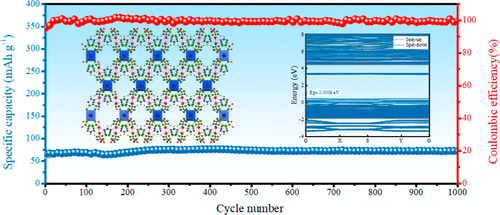
Three bimetallic coordination frameworks, ZnDy-MOF, ZnY-MOF, and ZnLa-MOF, were synthesized through hydrothermal method and characterized by XRD and SEM. All three exhibited smooth rod-like morphologies with uniform size distributions, indicating high sample purity. Electrochemical performance was evaluated using cyclic voltammetry, galvanostatic charge–discharge, electrochemical impedance spectroscopy, and cyclic stability testing. All three MOFs demonstrated good electrochemical stability and energy storage capability. Among them, ZnLa-MOF showed significantly superior performance, including longer discharge time, higher specific capacitance, and better rate capability. When assembled into an asymmetric device, ZnLa-MOF delivered an energy density of 60.12 Wh kg–1 at a power density of 412.24 W kg–1. These results highlight its potential for application in high-performance supercapacitors.
Aloe Vera Inhibits Protein Fibrillation: Mechanistic Biophysical Evaluation
Anu Jain - and
Nand Kishore *
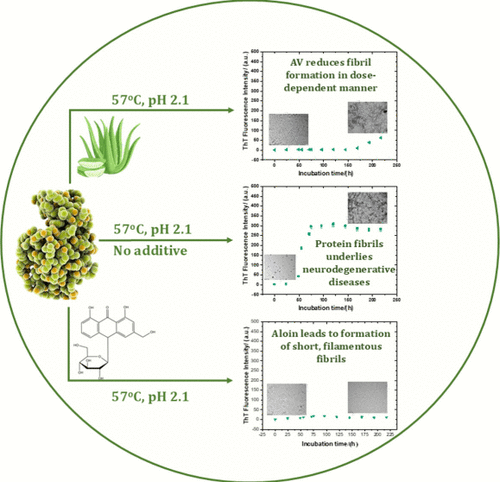
The aggregation of proteins and the formation of amyloid fibrils as a result of protein misfolding are thought to be strongly linked to neurodegenerative disorders, including those driven by infectious prions, Alzheimer’s disease, and Parkinson’s disease, to name only a few. The rapid discovery of inhibitors that prevent protein aggregation has aided in the development of therapeutic approaches for these conditions. Plant-based extracts and chemical substances have become intriguing sources of potential inhibitors since they can be used as particular pharmaceuticals at greater doses or as nutraceuticals as part of a healthy diet. Succulent plants like aloe vera have long been valued for their medicinal and healing qualities. This research focuses on the inhibition of hen egg white lysozyme fibrillation using aloe vera extract. To verify fibril formation and assess the inhibitory potential of aloe vera, an integrated approach involving calorimetric, spectroscopic, and microscopic techniques was employed. Employing a variety of methods, it was found that aloe vera promotes the thermal and structural stability of proteins while inhibiting the formation of fibrils. Furthermore, aloin, a significant bioactive component of aloe vera, was also studied for its anti-fibrillogenic properties and proven to efficiently prevent the formation of fibrils. Aloin demonstrated effective inhibition of protein fibrillation, likely through hydrophobic and electrostatic interactions. With the growing preference for natural products due to their reduced side effects, this study highlights the potential of plant-derived therapeutics as promising inhibitors of protein aggregation.

Gold Nanocube Monolayers: From Synthesis and Self-Assembly to Conductive Thin Films
Giuseppe Di Maio - ,
Roberto Termine - , and
Massimo La Deda *
The intriguing plasmonic and electrical properties arising from the dense organization of their building blocks make gold nanoparticle monolayers promising candidates for the development of efficient and versatile platforms for sensing and optoelectronics. Despite gold nanocubes (AuNCs) exhibiting favorable morphological and optical characteristics, their use in conductive monolayers remains underexplored. In this study, a systematic investigation of the AuNC monolayer fabrication process is presented, focusing on the optimization of deposition conditions, interparticle spacing, and structural uniformity. Furthermore, the realization of electrically conductive monolayers using AuNCs as building blocks is reported for the first time. Morphological, optical, and electrical properties are characterized and discussed in detail, highlighting the potential of AuNC monolayers as functional components in nanoscale devices.

Synthesis of Reduced Vanadium Oxide-Supported Au Catalysts for Methane Selective Oxidation
Xiaotong Xu - ,
Niu Guo - ,
Qianqian Zhu *- ,
Yanshuo Li *- , and
Zhenxin Zhang *
Methane selective oxidation is essential but challenging due to the difficulty in activating the C–H bond under mild conditions and the ease of overoxidation of the organic products. In this study, a reduced vanadium oxide-supported Au catalyst (Au0.5/VOx-HC400) was synthesized via a sol-immobilization method followed by H2 reduction. Structural characterizations confirmed the deposition of Au nanoparticles on VOx. The catalyst efficiently promoted the selective oxidation of methane to methanol, formic acid, and acetic acid using O2 as the oxidant without a coreductant, achieving a total organic productivity of 782 μmol/gcat at 200 °C. The catalyst activity was optimized by tuning reaction parameters. Further investigation revealed that the catalyst effectively activated the C–H bond of methane by Au, and the reduced V oxides also promoted the reaction. Quenching experiments indicated that hydroxyl radicals were the key active oxidation species.

Visualization of the Assembly Behaviors of Gel Layer-Coated Melanin Particles at the Air/Water Interface via Structural Color
Yui Maejima - ,
Ai Takabatake - ,
Shin-ichi Takeda - ,
Hiroshi Fudouzi - ,
Keiki Kishikawa - ,
Daisuke Unabara - ,
Tasuku Hamaguchi - ,
Koji Yonekura - ,
Takuma Kureha - ,
Hideyuki Mitomo - ,
Kanae Ito - ,
Keiichi Osaka - ,
Kiyoshi Kanie - , and
Michinari Kohri *
Surface-modified particles and microgels are known to adsorb at the air/water interface. This particle assembly behavior has been evaluated primarily under conditions in which all particles are adsorbed using a dilute dispersion. Herein, we visualized the adsorption/stabilization process of particle assemblies at the air/water interface in a concentrated dispersion based on structural coloration. Melanin particles were coated with a gel layer, and then aqueous dispersions were prepared and dried. Pristine melanin particle dispersions produced pronounced “coffee-ring” patterns with almost no particle deposition in the center. In contrast, the use of polymer gel-coated particles suppressed the coffee-ring effect and caused particle deposition in both the center of the pattern and around the periphery, indicating that the gel layer affected the assembly behavior. During the drying process, structural color analysis revealed stabilization at the air/water interface and differences in the size and motion of the domain. Furthermore, this gel-coated particle was shown to be effective for structural color coating with uniform visibility.
Turbulent Transport Characteristics and Mechanistic Insights into Particle Suspensions with Distinct Photoresponses: A Comparative Investigation
Zilong Zeng *- ,
Baichuan He - ,
Liwu Zhou - ,
Wenchuan Liu - ,
Qingfan Liu - ,
Xinlong Lu - ,
Ming Cheng - ,
Xiaoping Li - ,
Lijing Ma - , and
Dengwei Jing *
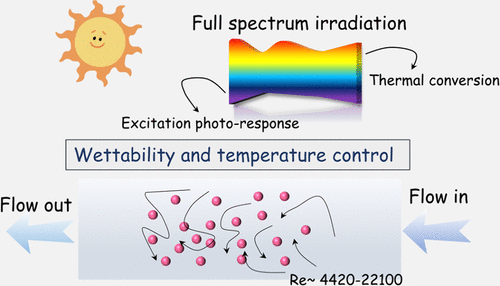
An accurate comprehension of the transport laws governing particle-laden fluids holds substantial significance for efficient energy transfer and conversion processes. Nevertheless, current researches exhibit an ambiguous understanding of the transport characteristics of particle suspensions with varying response ranges under photoirradiation, particularly at high shear rates, necessitating further clarification. Herein, in a horizontal continuous pipe, the evolution of flow resistance characteristics of particle suspensions with varied light responses (i.e., TiO2, ZnO, and SiO2) was carefully investigated. The effects of the particle type, concentration, Reynolds number, and light irradiation time on turbulent transport resistance were analyzed. Additionally, with reference to engineering practice, the transport processes of particles in mixtures containing various sacrificial reducing agents (i.e., CH3OH, C2H5OH, C6H5Na3O7, and C6H12O6) were further discussed. By integrating analyses of particle morphology, interfacial physicochemical properties, sensible heat conversion, and agglomeration kinetics, it was concluded that the drag reduction mechanisms of particle suspensions differ significantly under nonirradiation and photoirradiation conditions. The former is dominated by the particle size effect, which modulates the dissipation rate of turbulent kinetic energy. The latter, by contrast, induces variations in particle interfacial wettability and temperature elevation within the particle suspension under continuous photoirradiation, thereby further impacting transport energy consumption and pressure drop. It is anticipated that our findings could offer a theoretical guidance for efficient energy transfer and material conversion in chemical reactions involving the transport of photoresponsive particle suspensions.
Self-Propulsion of a Soap at an Oil/Aqueous Interface Depending on pH
Takahito Arai - ,
Masakazu Kuze - ,
Muneyuki Matsuo *- , and
Satoshi Nakata *
This publication is free to access through this site. Learn More
ACS Editors' Choice® is a collection designed to feature scientific articles of broad public interest. Read the latest articles
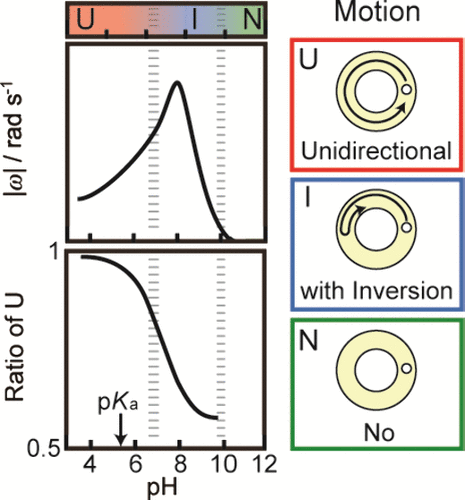
A self-propelled sodium oleate (OleNa) disk was investigated at an oil/aqueous interface prepared in an annular channel to induce characteristic features of self-propulsion. When the pH of the aqueous phase was changed, three types of motion were observed, i.e., unidirectional motion at 3.0 ≤ pH ≤ 6.0, motion with inversion at 8.0 ≤ pH ≤ 9.0, and no motion at 11.0 ≤ pH ≤ 12.0. At pH = 8.0, the interfacial tension and complementary contact angle of the meniscus oscillated simultaneously. The mechanism of the three types of motion is discussed in relation to the acidity constant (pKa) between protonated and deprotonated oleic acids, their distribution ratios in the oil and aqueous phases, and the driving force of motion. The present study suggests that the mode of self-propulsion is determined by the nature of the energy-source molecule, specifically its pKa, interfacial tension, and adsorption/desorption of protonated and deprotonated oleic acid molecules at the interface.
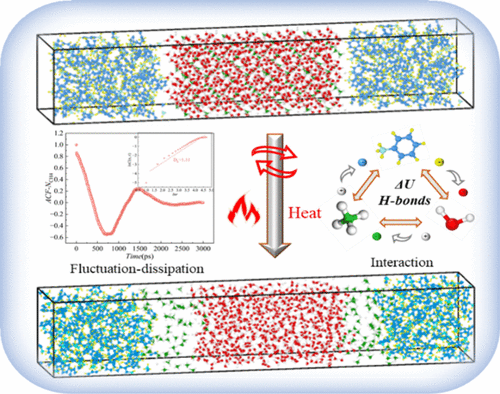
Microscopic Mechanism and Fluctuation–Dissipation of Methane Hydrate Decomposition in Oil-Containing Systems
Shuangshuang Meng - ,
Xiaoyong Xie - ,
Cuixia Shi - , and
Zhaoliang Wang *
Hydrate blockages in oil and gas pipelines threaten transportation safety and efficiency, underscoring the need to clarify hydrate decomposition mechanisms. This study investigates the microscopic decomposition of methane hydrates in oil-containing systems by constructing four models representing alkanes, aromatics, and asphaltenes based on crude oil composition. By integrating multiparameter analysis with the Green–Kubo and fluctuation–dissipation frameworks, the decomposition mechanisms are examined from kinetic, rheological, and energetic perspectives. Results show that oil molecular structure regulates decomposition: light oils accelerate it (viscosity rise 5.87%), while heavy oils inhibit it (12.69%). Heavy oil systems exhibit stronger dynamic instability and stage-dependent dissipation, with dissipation coefficients 13.03% higher during guest release. Component-dependent van der Waals, electrostatic, and hydrogen bond dynamics further reveal energy-driven differences, with over 80% of hydrogen bond lifetimes concentrated within 10–20 ps. This work elucidates oil structural regulation, quantifies fluctuation–dissipation characteristics, and provides a molecular-scale foundation for understanding hydrate decomposition in complex oil-based environments.

Robust Wearable Sensors Based on Silk Fibroin Hydrogels Enforced by Spherical Polyelectrolyte Brushes with Metal Nanoparticles
Cunxin Li - ,
Jiangtao Guo - ,
Xin Liu - ,
Sheng Wang - ,
Ziyu Zhang - ,
Yuhua Zhang - ,
Guoqiang Zhang - ,
Li Li - ,
Klemen Bohinc - , and
Xuhong Guo *
Flexible sensors are crucial for the continuous monitoring of personal health conditions, enabling personalized health management, but the integration of desirable mechanical strength, electrical conductivity, sensitivity, and biocompatibility within a single hydrogel sensor continues to pose a substantial challenge. In this study, spherical poly(acrylic acid) brushes (SPBs) on a polystyrene core were employed as nanoreactors for the in situ preparation and immobilization of conductive metal nanoparticles. The nanofillers were dispersed into the aqueous solution of glycidyl methacrylate-modified silk fibroin (SF-GMA), followed by photoinitiated polymerization to form the hydrogel. The introduction of SPB served as effective nanofillers, and the in situ synthesis strategy enabled precise control over the size and dispersion of conductive metal nanoparticles, thereby improving the electrical conductivity of the composite hydrogel. The performance of the hydrogel was significantly enhanced by incorporating only a small number of functional nanofillers. The resulting hydrogels exhibited a high elongation at break (260%), good adhesive strength (35.4 kPa), excellent conductivity (63.1 mS/m), and response time (0.23 s). This work presents a promising strategy for the design of multifunctional flexible electronic materials and offers considerable potential for future biomedical applications.

Soy Protein Isolate/Tremella Fuciformis Polysaccharide Complex-Stabilized High Internal Phase Pickering Emulsions: Andrographolide Delivery, Digestive Behavior, and 3D Printability
Yubo Cao - ,
Donggui Wang - ,
Quanshu Wang - ,
Tong Sun - , and
Haizhao Song *
The development of advanced bioactive delivery systems is critical for enhancing nutraceutical stability, controlled release, and functional food design. This study presented the fabrication of high internal phase Pickering emulsions (HIPPEs) stabilized by soy protein isolate (SPI) and Tremella fuciformis polysaccharide (TFP) complexes. The SPI/TFP complex was comprehensively characterized, revealing pH-responsive electrostatic and hydrophobic interactions that regulated complex coacervation and colloidal stability. Optimized SPI/TFP HIPPEs formed at neutral pH with 0.5% TFP exhibited superior physicochemical properties, including reduced droplet size, increased zeta potential, enhanced viscoelastic moduli, pronounced shear-thinning behavior, rapid thixotropic recovery, and stable microstructures. Incorporation of andrographolide (Andr) into the SPI/TFP HIPPEs significantly enhanced their protection against ultraviolet irradiation, thermal stress, and prolonged storage. In vitro digestion studies demonstrated controlled lipid hydrolysis kinetics and facilitated micellarization, resulting in the superior bioaccessibility of Andr compared to conventional formulations. Furthermore, the SPI/TFP HIPPEs exhibited excellent 3D printability with high shape fidelity and mechanical resilience and were unaffected by Andr loading. These findings elucidated the structure–function relationships in SPI/TFP-stabilized HIPPEs and established their potential as multifunctional platforms for nutraceutical delivery and customizable 3D-printed functional foods.
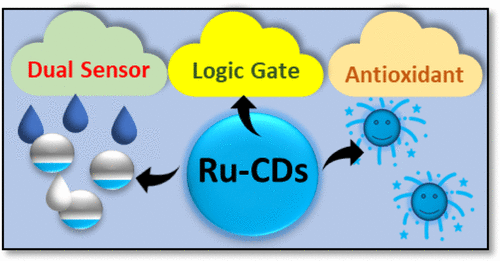
Optically Encoded Nanodots for Logic-Gated Sensing and Antioxidant Defense
Rajan Patyal - ,
Khushboo Warjurkar - , and
Vinay Sharma *
Optically encoded nanodots have emerged as versatile materials with significant potential for environmental and biomedical applications. This study presents ruthenium-doped carbon dots (Ru-CDs) synthesized from urea and citric acid doped with ruthenium to enhance their properties. These Ru-CDs exhibited a QY of 34.5% and demonstrated dual-mode “turn-on/turn-off/turn-on” sensing for lead ions (Pb2+) and cysteine, with a limit of detection (LOD) of 14.5 and 197 pM, respectively. In addition to their sensing abilities, the Ru-CDs functioned as nanozymes, exhibiting catalase-like activity by decomposing hydrogen peroxide into water and oxygen. The Ru-CDs exhibited potent antioxidant properties by effectively neutralizing reactive oxygen species (ROS), thereby reducing oxidative stress in cells. Furthermore, their antioxidant capacity was evaluated in the context of food preservation. These multifunctional Ru-CDs, with their remarkable sensing, enzyme mimic, antioxidant, and preservative properties, offer promising applications in environmental monitoring, health protection, and food preservation.

Plasma Interface Modification Endows Bilayered Polypropylene Insulation with Suppressed Space Charge and Enhanced Breakdown Strength for Submarine Cable Joint
Zhonglei Li *- ,
Zhaorui Luo - ,
Zhong Zheng - ,
Haosen Du - ,
Xi Zhu - ,
Zhi Fang - , and
Boxue Du
High-voltage direct current submarine cables are essential for developing cross-sea transmission and clean energy production. However, due to the limited length (<35 km) of a single submarine cable, cable joint is necessary for realizing cable splicing. Within the submarine cable joint, the interface between cable insulation (CI) and reinforcing insulation is inevitably formed, where charges tend to accumulate, eventually leading to insulation failure. Herein, this paper constructed an Ar-driven dielectric barrier discharge system, in which the treatment time and the H2O precursor concentration are adjusted to modify the physicochemical state of the interface. Results show that the 7 min treatment with H2O concentration of 1.0% yields the most significant performance improvement. Following this treatment, the protruding spikes on the CI surface are effectively etchedaway, thereby reducing microdefects during the interface welding process. This reduction in microdefects suppresses heterocharge accumulation by 66% and increases breakdown strength by 8.2%. Furthermore, the incorporation of H2O introduces foreign oxygen-containing groups (hydroxyl group –OH and methoxy group –OCH3) to the interface, significantly increasing trap depth (1.06 to 1.15 eV) and the density of deep traps in the interface region. Density functional theory calculations and interface modeling elucidate charge behavior in the interfacial region and demonstrate that a uniform interface morphology reduces electric-field distortion and weakens charge injection into the interface region. In addition, the oxygen-containing groups act as charge-capture centers that hinder the migration of heterocharges across the interface, thereby further lowering interfacial charge density and mitigating electric-field distortion. Overall, the interface-modification strategy for PP bilayered insulation proposed in this paper can help extend submarine cable joint lifetime and provide a key reference for the manufacturing of high-performance bilayered insulation interfaces.

Construction of Au@MnO2 Yolk-in-Shell Nanostructures as Uricase Mimics for Efficient Hyperuricemia Therapy
Jun Hu - ,
Rufang Zhao - ,
Zhilong Xu - ,
Zheng Xi *- ,
Jie Gu - ,
Xiaohuan Sun - ,
Juqun Xi *- ,
Yan Liu *- , and
Jie Han *
Hyperuricemia, marked by elevated blood uric acid levels, poses significant health risks. Current uricase-based treatments have a serious issue of H2O2 and reactive oxygen species (ROS) accumulation. MnO2-based nanozymes have been demonstrated to possess uricase-like catalytic activity, but with the limitations of low catalytic performance and poor H2O2 and ROS removal ability. This study investigates a novel nanostructure of the Au@MnO2 yolk-in-shell for managing hyperuricemia. This unique nanohybrid structure, with an individual Au nanoparticle embedded within the hollow MnO2 shell, reduces the Au loading and shows exceptional uricase-like catalytic performance. Density functional theory calculations reveal the existence of the strong synergistic interactions between the Au and MnO2 interface layer within this structure, and the introduction of Au increases adsorption energies for both oxygen and uric acid on MnO2, facilitating an efficient catalytic process. The Au@MnO2 yolk-in-shell nanostructure exhibits excellent metabolic rates, good biocompatibility, and superior therapeutic effects. (The blood uric acid level is decreased by 71%, and both liver and kidney functions return to normal). These findings underscore the Au@MnO2 yolk-in-shell nanostructure as a promising candidate for hyperuricemia treatment. This approach paves the way for efficient, cost-effective therapies and provides valuable insights into enhancing enzyme activity in various applications.
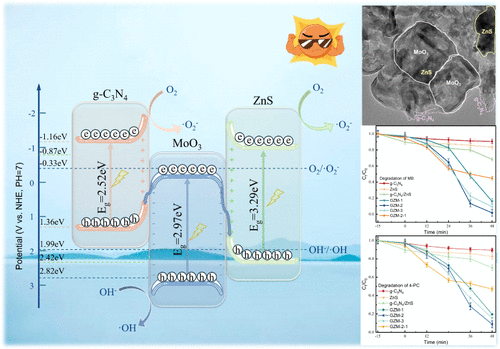
Mechanistic Investigation of Synergistic Visible-Light-Driven Organic Pollutant Degradation via Dual S-Scheme g-C3N4/ZnS/MoO3 Heterojunction with Bifunctional Redox Pathways
Shengxia Tan - ,
Binglin Wang - ,
Yi-Feng Chai *- ,
Shengwei Guo - ,
Ru Jiang - ,
ZhongHua Zhu - ,
Gui-Fang Huang - , and
Wei-Qing Huang
To address the limitations of conventional heterojunction photocatalysts in carrier recombination and redox potential loss, this study designed a dual S-scheme heterojunction g-C3N4/ZnS/MoO3 system via a hydrothermal route for visible-light-driven organic pollutant degradation. Comprehensive structural analyses (XRD, SEM, TEM, FTIR, XPS, UV–vis-NIR, DFT) verified the formation of a hierarchically ordered architecture with interfacial electronic coupling. The optimized GZM-2 composite demonstrated remarkable photocatalytic activity, degrading 98.31% of MB within 48 min under visible light─10.34, 5.69, and 3.09 times faster than pristine g-C3N4, ZnS, and g-C3N4/ZnS, respectively. Stability tests revealed an efficiency retention of 84.54% after four cycles, underscoring its robustness. Mechanistic studies attributed the enhanced performance to a dual S-scheme charge transfer pathway, where staggered band alignment spatially separated high-energy electrons from MoO3 (CB) to g-C3N4 (VB) and ZnS (VB), synergistically suppressing recombination while maximizing redox potentials. This study offers a generalized framework for engineering multichannel heterojunction systems to address environmental contamination challenges.

A Master Isotherm Model Approach to Quantify Defects in UiO-66 from Nitrogen Adsorption Isotherms
Yu Chen - ,
Guobin Zhao - ,
Li-Chiang Lin - , and
Yongchul G. Chung *
The presence of defects in metal–organic frameworks (MOFs) significantly impacts their adsorption and catalytic properties, yet noninvasive quantitative defect characterization remains challenging. In this study, we introduce a computational approach to estimate missing-cluster defect concentrations in UiO-66, a prototypical zirconium MOF, based on nitrogen adsorption isotherms at 77 K. By combining grand canonical Monte Carlo (GCMC) simulations and a statistical modeling framework, we construct composite models from unit-cell or 2 × 2 × 2 supercell pristine and defective models to reproduce the isotherms of larger test structures. We show that choosing 2 × 2 × 2 supercell models as the basis models outperformed unit-cell models by capturing a broader range of pore environments, enabling reliable defect prediction across a wide defect concentration range. This nondestructive, simulation-based method provides a generalizable platform for defect analysis in MOFs and other porous materials with well-defined local motifs.

Synergistic Superhydrophobicity and Photocatalysis in SA@CNZ/PMS Sponge for Sustainable Oily Wastewater Remediation: High-Efficiency Oil–Water Separation and Visible-Light-Driven Organic Dye Degradation
Junli Yu - ,
Jihong Fu *- ,
Boshen Wang - ,
Haipeng Zhang - ,
Qichao Wu - ,
Mengdie Li - , and
Ronglan Wu
With the rapid development of petroleum resources and the chemical industry, the release of oily wastewater has increased dramatically and environmental pollution has become increasingly serious. In this study, an inexpensive, simple, and environmentally friendly technique was established to synthesize a multifunctional melamine sponge (MS) with both superhydrophobic and photocatalytic properties through polydopamine (PDA) functionalization, followed by the immobilization of CNZ (C3N4@ZnO) nanoparticles and the grafting of stearic acid (SA). The prepared SA@CNZ/PMS sponge exhibited outstanding superhydrophobicity with a water contact angle (WCA) of 150.5°. The sponge possesses superior hydrophobic–oleophilic selectivity, which can effectively separate various oil/water mixtures as well as oil-in-water emulsions. Meanwhile, the sponge exhibits high oil sorption capacity (11.55–52.76 times its own weight) and oil–water separation efficiency (99.3% after 10 cycles). In addition, superhydrophobic SA@CNZ/PMS is resistant to chemical corrosion and demonstrates good mechanical stability. Moreover, SA@CNZ/PMS exhibits a rapid removal efficiency for organic dyes (96.4% for methylene blue) through synergistic adsorption and visible light photocatalysis. This research provides new insights into the design of multifunctional materials for treating oily and dye-containing wastewater.

3D Composites of CNTs Vertically Grown on Xuan Paper Fibers and Their Microwave Absorption Application
Suyun Tian - ,
Yingzi Gu - ,
Chuankai Yang - ,
Shengzhe Zhao - ,
Tianhui Yu - , and
Xian Jian *
Carbon nanotubes (CNTs) have attracted considerable attention as promising microwave-absorbing materials because of their excellent electrical conductivity and superior mechanical properties. In this study, vertical CNTs were conformally grown on Xuan-paper fibers via chemical vapor deposition (CVD). The inherent penetration and capillary-diffusion characteristics of Xuan paper enable rapid transport of the catalyst solution and uniform distribution of catalytic nanoparticles throughout the fiber network. Hydroxyl groups on the cellulose fibers anchor these nanoparticles through hydrogen bonding and polar interactions, ensuring stable immobilization of catalyst. The structure of vertical CNTs growing on the fibers exhibits outstanding microwave-absorption performance with the RLmin of −23.2 dB at 5.12 GHz in the case of 6.5 mm and the effective absorption bandwidth of 5.1 GHz (4.1–6.16 GHz and 14.64–17.68 GHz). This strategy offers a novel route for fabricating three-dimensional CNT-based composites and bridges traditional craftsmanship with modern nanotechnology.

Two Birds with One Stone: Fe/CS/CMSM Composite Membrane for the Removal of Pb(II) and Cr(VI)
Xiaokai Liu *- ,
Lijuan Zhou - , and
Li Wang *
With the rapid development of urban industrialization, heavy metal pollution has had serious impacts on human health and the environment. In response, this study introduces an iron-modified chitosan/carboxymethyl Salix powder composite membrane (Fe/CS/CMSM) for the adsorption of hazardous substances from water. The main findings are as follows. Fe/CS/CMSM exhibited optimal adsorption capacities for Pb2+ and Cr(VI), which were 377.49 and 367.10 mg g–1, respectively. The processes of adsorption of Pb2+ and Cr(VI) by Fe/CS/CMSM fit the pseudo-second-order kinetic model and the Freundlich isotherm model, indicating that the adsorption is consistent with chemisorption on heterogeneous sites. Adsorption thermodynamics indicated that the adsorption process is spontaneous and exothermic and associated with a decrease in disorder. Additionally, the rates of desorption of Pb2+ and Cr(VI) from Fe/CS/CMSM reached 90.32% and 92.35%, respectively. After five adsorption–desorption cycles, the rates of desorption of Pb2+ and Cr(VI) remained above 80%, demonstrating the good reusability of Fe/CS/CMSM. This study presents an iron-modified chitosan/carboxymethyl Salix mongolica powder composite membrane, showcasing its efficiency and practicality in the adsorption of Pb2+ and Cr(VI).
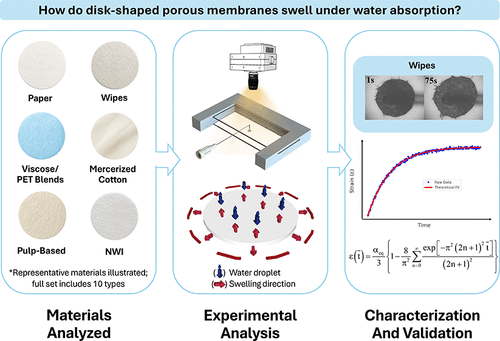
Swelling Dynamics of Disk-Shaped Nonwoven Membranes: A Theoretical and Experimental Study
Breno Bezerra De Souza - ,
Behnam Pourdeyhimi - , and
Alexander L. Yarin *
Understanding the swelling behavior of porous membranes in the presence of wetting liquids is essential for optimizing performance in applications ranging from industrial fabrics to healthcare textiles. Here, a combined experimental and theoretical approach is used to explore water imbibition and swelling and to quantify it in terms of two physical parameters: the equilibrium swelling coefficient (αeq) and the transport coefficient (D). Unlike traditional approaches that focus solely on absorption measurements, the present method directly links the theory of swelling dynamics with experimental data. A diverse set of ten different materials, including paper, dry wipes, healthcare-grade nonwovens, industrial fabrics, and mercerized cotton, was evaluated using high-resolution imaging to track disk swelling. A nonlinear least-squares (NLS) method was employed to extract the physical parameter values (αeq and D) from the experimental data. The results reveal not only excellent agreement between the theory and experiment but also provide a novel direct, quantitative comparison of diverse water-imbibing and swelling materials, with dry wipes exhibiting the highest swelling and mercerized cotton the lowest. The findings are particularly relevant for industries that rely on controlled fluid uptake, such as hygiene products, medical dressings, and absorbent substrates.
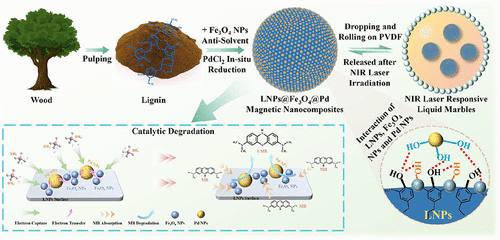
High-Value Valorization of Agricultural Waste Biomass into Lignin-Based Magnetic Nanocomposites: Multifunctional Catalytic Systems with Near-Infrared-Responsive Liquid Marbles for Controllable and Sustainable Dye Removal
Chenxi Li - ,
Qian Ren - ,
Jiayi Song - ,
Xiaofeng Lyu - ,
Liqin Liu - ,
Zhengbai Cheng - ,
Hao Zhang - ,
Hongbin Liu - , and
Xingye An *
The development of green, efficient, and sustainable noble metal nanocatalysts is critical for addressing industrial wastewater pollution. Herein, we report a high-value utilization strategy for agricultural waste biomass by transforming lignin nanoparticles (LNPs) derived from agricultural residues into multifunctional supports for Fe3O4 and Pd nanoparticles. Through a two-step process─antisolvent self-assembly followed by in situ reduction─LNPs@Fe3O4@Pd magnetic nanocomposites are synthesized, combining lignin’s inherent eco-friendly properties with the magnetic recyclability of Fe3O4 and the catalytic activity of Pd. The catalytic study showed that LNPs@Fe3O4@Pd presented excellent catalytic efficiency for the fade of methylene blue (catalytic rate constant is 5.89 min–1). The incorporation of stable superparamagnetism imparted the LNPs@Fe3O4@Pd with an exceptional cycling performance. Additionally, the nanocomposites exhibit robust photothermal conversion capabilities, enabling the construction of NIR laser-responsive liquid marbles via simple assembly. These liquid marbles combine magnetic separability and light-triggered controllability, offering a dynamic and reusable platform for dye wastewater treatment. Consequently, LNPs@Fe3O4@Pd and their liquid marble assemblies hold significant potential for industrial-scale applications in sustainable dye removal and beyond.
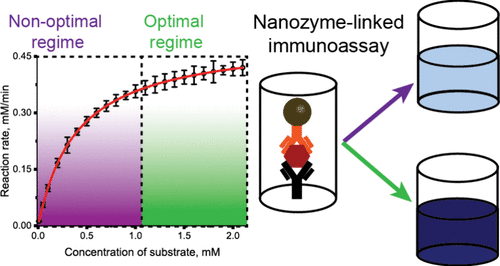
Nanozyme-Linked Immunosorbent Assays: A Kinetic Perspective
Vasily G. Panferov - ,
Nicholas D’Abruzzo - ,
Nadezhda A. Byzova - , and
Juewen Liu *
Nanozymes with peroxidase-like (POD) activity are increasingly utilized as functional replacements for horseradish peroxidase in various assays. In particular, their application in enzyme-linked immunosorbent assays (ELISA) has led to the development of nanozyme-linked immunosorbent assays (NLISA). NLISA follow the well-established ELISA procedure and have been reported for a wide range of nanozymes and analytes. However, most developments overlook the fundamental differences between enzyme and nanozyme catalysis, often resulting in nonoptimal protocols in a kinetically limited regime. Herein, using core@shell Au@Pt and Au@Pd POD-like nanozymes, we demonstrate significant differences in the Michaelis–Menten constant depending on the shell thickness. Furthermore, for the first time, we report the unusually high stability of POD-like activity at ultralow pH values (down to minus 0.56). This unique feature enabled us to propose new strategies for terminating the catalytic reaction. In summary, we show that consideration of the distinct catalytic properties of nanozymes enables the development of NLISA protocols with up to an order of magnitude higher sensitivity and minimized background.
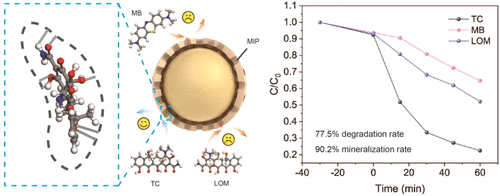
Molecular Imprinting Strategy on Flame-Made TiO2 for Highly Selective Degradation of Characteristic Aquatic Pollutants
Ying Li - ,
Zhengliang Bian - ,
Xinhao Meng - ,
Dongliang Zhang - ,
Yu Zheng - ,
Yanjie Hu - ,
Mitang Wang - , and
Wei Bi *
Herein, a molecularly imprinted TiO2 photocatalyst (T@MIP) was designed for the targeted degradation of tetracycline by combining flame spray pyrolysis with surface molecular imprinting technology. The FSP-derived TiO2 substrate, rich in surface defects and hydroxyl groups, serves as a key anchor for the subsequent prepolymerization of specific molecularly imprinted sites. The T@MIP catalyst exhibits excellent overall performance, including high selectivity for TC in a multipollutant system, exceptional degradation efficiency, and near-complete mineralization. Notably, mechanistic studies using free-radical EPR and in situ DRIFTS revealed that the molecularly imprinted sites simultaneously enrich TC molecules, leading to synergistic degradation dominated by ·O2– and h+. This work establishes a new model for the development of “smart” photocatalytic systems for precision environmental remediation.
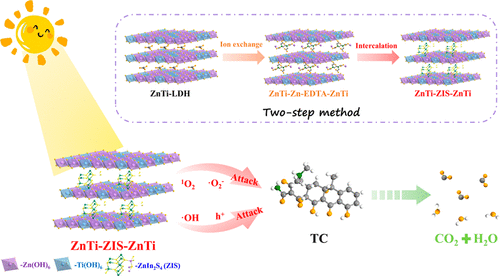
2D ZnIn2S4-Intercalated ZnTi-LDH to Construct a 2D/2D Type-II Heterojunction for Boosting Photocatalytic Activities and Antiphotocorrosion
Ziyao Yan - ,
Xinman Tu *- ,
Jingwen Li *- ,
Xinding Lv - ,
Li Zhang - ,
Minhua Su - ,
Linjie Yuan - , and
Tingting Li
Exploration of high-performance photocatalysts is crucial for photocatalytic antibiotic degradation. Herein, the 2D ZnTi layered double hydroxide intercalated with 2D ZnIn2S4 nanosheets (denoted as ZnTi-ZIS-ZnTi) is synthesized by utilizing the ion exchange and intercalation strategies. Experimental results demonstrate that the 2D/2D ZnTi-ZIS-ZnTi heterostructure exhibits excellent photocatalytic degradation activity for tetracycline, achieving a degradation rate of 94.68% within 60 min of visible light irradiation, as well as unexpected recyclability after eight consecutive cycles under different water quality conditions. Mechanism investigation demonstrates that two main active species (h+ and 1O2) are involved in TC degradation. The outstanding photocatalytic performance can be attributed to the formation of Type-II heterojunction with intimate contact, which is achieved through the intercalation strategy. Specifically, the intercalation strategy results in a multilamellar hierarchical morphology, enhances the separation efficiency of photogenerated carriers, promotes electron transport, and provides plenty of active sites for the photocatalytic process. This work identifies a promising photocatalyst system for water purification.
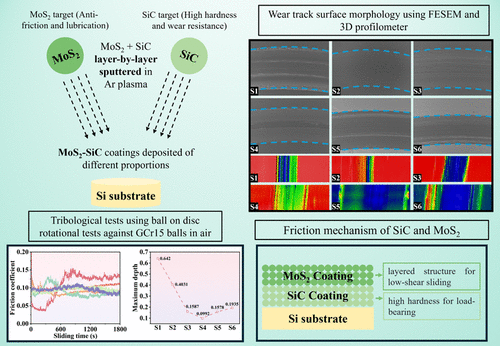
Tribological Performance of Magnetron-Sputtered MoS2/SiC Composites on Silicon Substrates: Influence of Composition and Ambient Conditions
Yuting Du - ,
Xinlei Gao *- , and
Fuchao Yang *
To investigate the regulatory mechanism of the composition ratio of silicon carbide (SiC) and molybdenum disulfide (MoS2) composite coatings on the tribological properties of silicon substrates, a series of composite films were fabricated via magnetron sputtering technology. A rotational friction test was conducted to measure the tribological properties, and it was found that the average friction coefficient (ACOF) (3 samples in total) monotonically decreased from 0.124 ± 0.007 to 0.082 ± 0.004 with increasing MoS2 content. However, the friction coefficient increased with the absence of the SiC interlayer (S6), indicating that there was an optimal sputtering ratio between MoS2 and SiC (the ACOF of S5 decreased by 33% compared to that of S1). Combined with an analysis of the composition ratios, the synergistic mechanism between the wear-resistant enhancement effect of SiC and the solid lubrication effect of MoS2 was investigated. A composite film system with a continuous gradient change in SiC and MoS2 sputtering time was innovatively constructed, establishing a quantitative model to provide insights into the synergistic lubrication mechanism of multicomponent materials. Moreover, the findings can facilitate understanding of the composition design and mechanism studies of lubricating wear-resistant films on silicon-based device surfaces.

Enhancing the Electrochemical Performance of Perovskite-Like Ruddlesden–Popper Oxide Pr2NiO4 through a Gd-Doping Strategy
Jihai Cheng *- ,
Lingling Xu - ,
Wenyi Zhang - , and
Maole Zong
This study investigates the synergistic optimization of structural stability and electrochemical performance in Gd3+-doped Pr2–xGdxNiO4 (x = 0–0.150) Ruddlesden–Popper (R–P) oxides. Phase analysis coupled to this confirmed that the materials retained the K2NiF4-type R–P structure. Thermal expansion analysis demonstrated that Pr1.9Gd0.1NiO4 possesses an average linear thermal expansion coefficient (TEC) of 12.62 × 10⁻⁶ K–1, showing excellent interfacial compatibility with a gadolinium-doped ceria (GDC) electrolyte. Electrochemical characterization revealed that the symmetric cell Pr1.9Gd0.1NiO4|GDC|Pr1.9Gd0.1NiO4 achieved a low area-specific polarization resistance (Rp) of 1.40 × 10⁻² Ω cm2 at 800 °C in air, with an oxygen reduction reaction (ORR) activation energy (Ea) of 0.8 eV. The single cell (NiO–GDC|GDC|Pr1.9Gd0.1NiO4) delivered a maximum power density of 0.74 W cm–2 at 800 °C and maintained stable operation for 100 h under 0.30 A cm–2. These results highlight the effectiveness of A-site Gd3+ doping in enhancing the electrochemical performance and durability of Pr2NiO4-based cathodes, providing critical insights for developing solid oxide fuel cells.
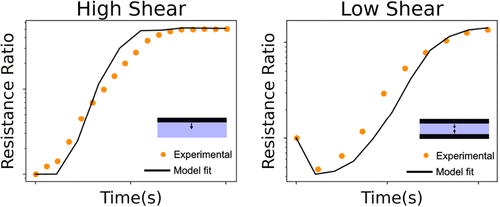
Measuring Dynamic Gradients in Drying Battery Electrode Coatings via Microscale Resistivity
Emre Baburoglu - ,
Karla Negrete - ,
Maureen H. Tang - , and
Nicolas J. Alvarez *
This publication is Open Access under the license indicated. Learn More
In situ techniques for probing the microstructural evolution of lithium-ion battery (LIB) electrodes are often limited by the cost or accessibility. This study demonstrates the use of a simple and cost-effective four-line probe device to measure dynamic electrode microstructures at varying penetration depths and to explain the effects of shear during coating on the transient and final electrode microstructure. Previous studies report superior performance for LIB electrodes coated at a high shear rate over those coated at a low shear rate. The researchers postulated that this was due to a difference in carbon connectivity in the final dried electrode, and this difference was partially supported by energy dispersive spectroscopy (EDS) atomic distribution analysis. In this study, we revisit these coating conditions at high and low shears to determine the time evolution effect of shear on the carbon microstructure formed during drying. The electrode resistances at different penetration depths clearly show a difference in the dynamic microstructure for different shear rates, indicating different drying mechanisms. Heuristic drying models are used to interpret resistivity data of the two electrodes and propose the drying mechanisms. For example, at low shear rates, there is obvious aggregation and sedimentation of carbon particles at early times. Furthermore, we observed the formation of a carbon-rich top layer during drying for both shear rates. Electrochemical fluorescence microscopy (EFM) and EDS imaging of the final dried electrode validate the observations determined from the resistivity measurements and modeling. Overall, these results use a low-cost, in situ method to offer a comprehensive understanding of how the shear rate influences the microstructural development of composite electrodes during drying and its implications for battery performance.

Phosphonate vs Alkoxysilane Grafting of Antibacterial Pyridyl-Pyridinium in Chitosan Films: Structure–Property Relationships
Mohamed Amine Benzaouia - ,
Othmane Dardari - ,
Nadia Katir - , and
Abdelkrim El Kadib *
Chitosan is a promising film-forming platform for embedding antibacterial and antiviral agents, but its moderate intrinsic bioactivity necessitates additional functionalization. Although metal nanoparticles exhibit exceptional antibacterial activity, the search for safer and more sustainable coatings dictates metal-free additives, ideally covalently anchored to prevent leaching and maintain long-term efficacy. In this work, we conceive micrometer-thick, transparent, and flexible chitosan films functionalized with pyridyl-pyridinium moieties, comparing two postgrafting chemistries (trimethoxysilane and diethylphosphonate) to elucidate their influence on film structure, stability, and bioactivity. Trimethoxysilane grafting yielded stiffer films with superior hydrolytic and thermal stability, whereas phosphonate linkers provided greater flexibility. Both routes enhanced antibacterial performance relative to pristine chitosan; silane-modified films showed stronger antimicrobial effects, while phosphonate-grafted films exhibited higher antioxidant activity. These findings highlight the distinct property–function relationships afforded by silane and phosphonate linkers, offering guidelines for the rational design of ultrastable, bioreactive chitosan coatings for antimicrobial applications.
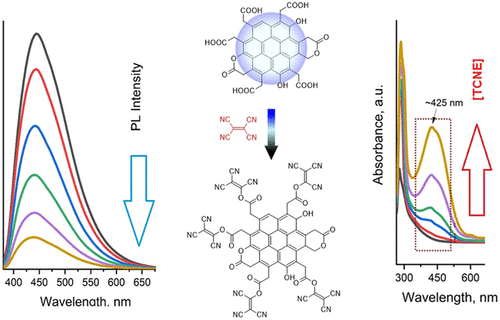
Photoluminescent Quenching of Carbon Nanodots in the Presence of Tetracyanoethylene: Quenching Sphere of Action of Carbon Nanodots
Wan Ryan Asri - ,
Mohammad N. Siddiqui - , and
Almaz S. Jalilov *
The interaction of photoluminescent carbon nanodots (CDs) with their environment underpins a fundamental factor in the design of photoluminescent CDs for various potential applications. The effect of synthesis reaction temperature on photophysical features and quenching behavior using one of the strongest electron acceptors, tetracyanoethylene (TCNE), was systematically investigated. Thorough characterization confirmed progressive carbonization and formation of sp2-hybridized carbon cores with temperature, alongside a reduction in surface oxygenated groups. Optical absorption and emission spectrum revealed the transition from surface-dominated to core-dominated emission mechanisms with temperature. Upon quenching analysis with TCNE, all CDs exhibited PL quenching and a characteristic absorption band formation at 420 nm, corresponding to the new CD-TCNE adduct formation. The quenching shows the positive deviation from the Stern–Volmer equation with a large quenching extent that follows the order CD-180 > CD-200 > CD-150. The mechanism was found to be induced by a combination of static and dynamic mechanisms, affected by the interplay within edge-functionalized groups and π-conjugated aromatic domains and their intrinsic adduct formation with TCNE. The static quenching components related to the CD-TCNE adduct formation were estimated using the quenching sphere of action model with the values of sphere volumes, V, and the sphere diameters in the order of CD-180 (4.1 nm) > CD-200 (3.8 nm) > CD-150 (3.5 nm). These results demonstrate that the reaction temperature critically modulates the size, electronic structure, and quenching dynamics of CDs with TCNE, facilitating control upon excited-state behavior for optoelectronic and sensing applications.

Fluorescence Sensor for pH Tracing Based on Hydrogen-Bonded Organic Frameworks
Xinyuan Xu - ,
Jianyang Lu - ,
Jishuai Wang - ,
Kun Wang *- , and
Peng Miao *
Hydrogen-bonded organic frameworks (HOFs) are emerging porous materials. Herein, we prepare HOFs (PFC-1) and develop a facile pH-responsive fluorescent system, since they contain organic ligands with acid–base sensitive groups (H4TBAPy). Upon the addition of alkali, the carboxyl groups undergo deprotonation, and intramolecular charge transfer (ICT) is inhibited, which induces hydrogen bond reconstruction, widens the band gap, and enhances the restricted intramolecular motion (RIM) effect. These changes result in blue shift and significant enhancement of fluorescence emission. We also employ HOFs as excellent pH indicators to analyze histamine and protamine concentrations. The fluorescent system is further applied to monitor food spoilage, since PFC-1 materials exhibit a distinct fluorescent color change upon the generation of biogenic amines. This study thus provides a promising example for designing pH-responsive HOFs, laying a solid foundation for their further applications in food safety, environmental monitoring, and biomedical sensing fields.

Insights into the Influence of Anatase TiO2 Facets on Marine Biomass Photoreforming Coupled with Hydrogen Evolution
Xiaolei Bao *- ,
Mingze Li - ,
Difei Xiao - ,
Shenghe Si - ,
Xingyun Luo - ,
Fengxia Tong - ,
Xizhuang Liang - ,
Dujuan Dai - ,
Dong Liu *- ,
Zeyan Wang *- , and
Baibiao Huang *
Photocatalytic reforming of waste biomass provides a promising approach for the simultaneous clean energy production and resource recovery. Herein, we report the efficient coupling of hydrogen (H2) evolution with the oxidation of waste chitin, achieving the coproduction of H2 and value-added chemicals. Through systematic screening, anatase TiO2 has been identified as the optimal material for the coupled photocatalytic system, with its reforming activity being closely associated with the production of hydroxyl radicals (•OH). Based on this mechanism, TiO2 dominated by {001} facets was successfully synthesized, achieving an H2 evolution rate of 291.0 μmol·g–1·h–1. This performance represents significant enhancements of 42.2 and 5.0 times compared to TiO2 dominated by {101} and {100} facets, respectively. This superior activity is attributed to the {001} facets, which facilitate the formation of •OH and enhance the adsorption of chitin. What is more, practical scalability was demonstrated by directly converting real-world crab shells into H2 under mild conditions using a combined mechanical ball milling and photocatalytic reforming process. This work proposes an efficient and scalable strategy for marine waste reforming coupled with clean energy production and highlights the importance of facet engineering in designing photocatalysts for biomass valorization.

Impact Deformation Characteristics and Mechanism Analysis of Copper–Aluminum Laminated Interface with Wave Impedance Mismatch
Yanshu Fu - ,
Yushen Huang - ,
Hao Yu - ,
Xinhua Song *- ,
Zhaodong Zhang - ,
Qiang Li - , and
Wei Fang
The mechanical performance of laminated composites is fundamentally governed by interfacial bonding characteristics and strain transfer efficiency across dissimilar material layers. Conventional approaches to enhance interfacial strength typically rely on chemical composition modifications or postwelding heat treatments, which may compromise the intrinsic properties of constituent materials or induce undesirable intermetallic phases. Here, we demonstrate that explosive welding-induced wavy interfaces with “elephant trunk” morphological features and controlled intermetallic distributions (AlCu/Al2Cu) can effectively regulate stress redistribution during dynamic loading, without requiring compositional alterations. Through integrated Hopkinson bar experiments and multiscale characterization (XRD/SEM/TEM/CT), we reveal that the strain-rate-dependent deformation disparity between Cu and Al layers generates unique interfacial stress gradients, where dislocation nucleation preferentially initiates in coarse-grained Al regions before propagating across the interface. This strain-mediated interfacial dynamics leads to remarkable energy dissipation capacity. The developed constitutive model quantitatively correlates interfacial microstructure with macroscopic dynamic response, providing a validated framework for designing high-performance laminated structures in electrical/energy applications.
Mastheads
Issue Editorial Masthead
This publication is free to access through this site. Learn More
Issue Publication Information
This publication is free to access through this site. Learn More