

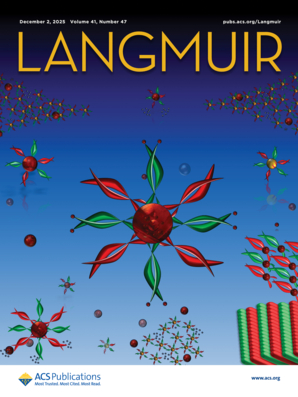
About the Cover:
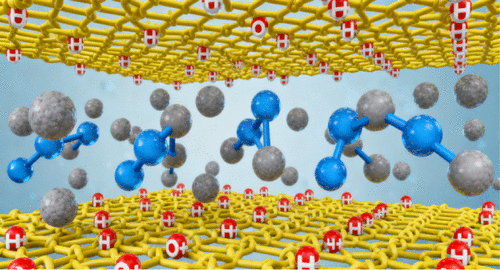
Our DPD simulations emphasize the crucial role of molecular architecture, specifically arm length and the number of arms, in determining the phase separation kinetics, morphology, and thermodynamic behavior of MSP systems. These insights offer guiding principles for designing architecturally tailored soft materials with tunable self-assembly and functional properties.
View the article.Perspectives

Rethinking Biofilm Engineering and Fouling Resistance in Membrane Bioreactors
I Gede Wenten *
Membrane bioreactors (MBRs) are increasingly recognized as a key technology in sustainable wastewater treatment, offering a high effluent quality through the integration of biological degradation and membrane filtration. Among the critical factors influencing their performance are biofilm dynamics and membrane fouling. This article critically examines recent advances in biofilm engineering and antifouling strategies for MBRs, with an emphasis on microbial community modulation, quorum quenching, and hydrodynamic control to improve biofilm stability. In parallel, the review examines material-based and biological methods to mitigate membrane fouling, emphasizing multifunctional surfaces and emerging biocontrol strategies. Key operational challenges, such as energy consumption, cleaning frequency, and membrane aging, are evaluated alongside future research directions in materials design, microbial ecology, and real-time system optimization. The integration of these innovations is essential for advancing MBR technologies that are robust, resource-efficient, and aligned with circular economy principles.
Reviews
Porous Carbon from Hyper-cross-linked Polymers: A Cost-Effective Approach for Supercapacitors
Jingli Li - ,
Yuheng Wen - ,
Xingrui Li - ,
Hao Zhang - ,
Haobo Wang - ,
Bin Li - ,
Heng Zhang - ,
Qing Hou *- , and
Wenliang Song *
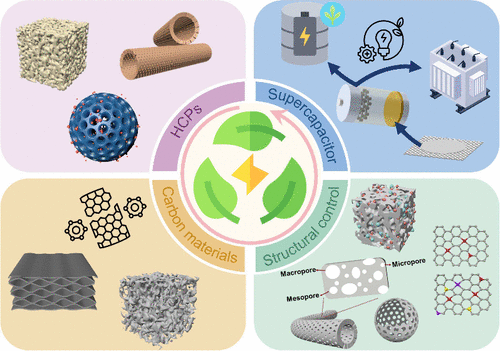
The increasing demand for energy has accelerated the development of advanced materials, particularly porous carbon materials, for energy storage and conversion. Supercapacitors (SCs) have garnered significant attention in recent years due to their high energy storage capacity and rapid charge–discharge cycles. Among various porous materials, hyper-cross-linked polymers (HCPs) have emerged as promising precursors for carbon materials due to their tunable porosity, diverse chemical synthesis routes, and compatibility with various activation and composite-forming processes involving metals or metal oxides. Carbon materials derived from HCPs have demonstrated enhanced electrochemical double-layer properties, long-term cycling stability, and high-rate performance when fabricated by using optimized processing techniques. However, comprehensive reviews focusing on HCP-based carbon materials for SC applications remain limited. Therefore, this Review systematically examines the synthesis strategies for HCPs, the fabrication approaches for carbon and composite materials, and their electrochemical performance in SCs. Furthermore, a categorized comparison of the resulting materials’ performance is provided. Lastly, a perspective is presented on both the fabrication processes and the performance optimization of SCs. This Review aims to inspire researchers to explore advanced carbon preparation methods using HCP materials and to develop effective strategies for improving SCs’ performance.
Articles

Characteristics of Mono-, Di-, and Trivalent Cations in Electric Double Layers: A Molecular Dynamic Investigation
Bowen Ai - ,
Zekun Gong - ,
Long Ma - ,
Hongwen Zhang - ,
Tianyi Sui *- , and
Yinghua Qiu *
Ionic behaviors, including ion distributions and hydration characteristics at solid–liquid interfaces, are important research interests in many important applications, such as electric double-layer capacitors and water lubrication. Here, we systematically investigated the concentration distributions, hydration numbers, and screening properties of Li+, Na+, K+, Ca2+, Mg2+, and La3+ ions inside electric double layers (EDLs) at various charge densities (σ). For σ weaker than −0.16 C/m2, monovalent cations mainly accumulate in the outer Helmholtz plane (OHP). As the σ magnitude increases, monovalent cations start to dehydrate and migrate to the inner Helmholtz plane (IHP), following the order of K+, Na+, and Li+. This size-dependent behavior arises from the lower hydration energy of larger ions. While for the di- and trivalent ions, no obvious IHP appears. Based on ion distributions, the screening effect of counterions on surface charges is evaluated by analyzing the net charge distributions. As σ changes from 0 to −0.32 C/m2, due to the stronger accumulation of cations in EDLs, the location of the neutral plane changes from ∼12 to ∼4 Å. When σ reaches a threshold, the excessive accumulation of cations can induce charge inversion. The threshold value and maximum reversed charge are found to correlate with the ion size, cation valence, and concentration.

Atomic-Level Exploration of Local Structural Heterogeneity in Liquid Ga–In Alloys Using a Machine Learning Potential
Haitang Wang - ,
Wenbin Liu - ,
Fang Fang - ,
Qiuyi Fu - ,
Guobing Zhou *- , and
Zhen Yang *
Liquid gallium–indium (Ga–In) alloys have emerged as an intriguing class of materials that combine the advantages of both metals and liquids. Their unique properties enable a range of potential applications in chemistry, physics, materials, and engineering. Thus, elucidating the local structural properties of liquid Ga–In alloys at the nanoscale is essential for understanding the processes occurring within them and for advancing new applications. Here, we performed an atomic-level investigation of local coordination behavior and structural ordering around Ga and In atoms in five liquid Ga–In alloys (i.e., Ga79.3In20.7, Ga83.2In16.8, Ga85.8In14.2, Ga91.8In8.2, and Ga96.9In3.1) using machine learning force field molecular dynamics simulations. Our findings reveal that the Ga79.3In20.7, Ga83.2In16.8, and Ga85.8In14.2 alloys exhibit a continuous and predominant Ga–In phase, which is characterized by a spatial distribution of clustered In atoms. In stark contrast, the Ga91.8In8.2 and Ga96.9In3.1 alloys demonstrate the coexistence of pure Ga and Ga–In alloy phases, with In atoms forming dimers in the former and being atomically dispersed in the latter. More importantly, it is shown that there is a prominent difference in the local structural ordering surrounding Ga and In atoms in the first three Ga–In alloys, following a specific order of In–In > Ga–In > Ga–Ga, which is ascribed to the differences in interaction strengths. Overall, this study presents the first theoretical evidence of local structural heterogeneity in liquid Ga–In alloys and offers new insights into the nanoscale structural details in liquid Ga-based alloys.
Unveiling the Mechanism of NO Reduction by CO over Highly Dispersed Zero-Valent Copper Catalysts: Experiments and DFT Studies
Yan Zhao - ,
Yixi Wang - ,
Huanran Wang *- ,
Wenqing Xu - , and
Xianchun Li *
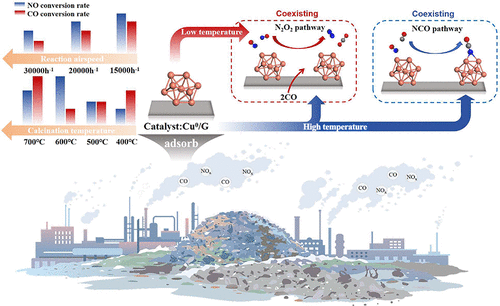
Efficient transition-metal-based catalysts for low-temperature NO reduction remain a significant challenge. In this study, an efficient, highly dispersed zero-valent copper (Cu0) supported on activated carbon catalyst was prepared, exhibiting high NO reduction performance at 200 °C, with 80% NO conversion and 100% N2 selectivity. The calcination temperature plays a crucial role in determining the composition and dispersion of catalysts, which subsequently affects their catalytic performance in NO reduction. At lower calcination temperatures, incomplete reduction of the active components results in a reduced catalytic activity. Conversely, higher calcination temperatures lead to catalyst agglomeration, increasing the level of CO adsorption on the catalyst surface, which subsequently inhibits the NO reduction. When the reaction temperature is over 300 °C and the O2/CO ratio is ≤0.5, the activity of the Cu-BAC-500 catalyst for NO reduction by CO is scarcely affected by O2. The reaction temperature alters the NO reduction mechanism. The reaction mechanism in this study was primarily simulated under oxygen-free conditions. At lower temperatures, the mechanism involves the coadsorption of NO, which decomposes to form N2O. This N2O is then directly reduced by CO to produce N2. When the reaction temperature is above 300 °C, in addition to the aforementioned pathway, a new route emerges where adsorbed NO is directly reduced by CO to generate CO2 and surface-active N* species. These N* species then adsorb NO, forming N2O, which is further reduced by CO to form N2. This study presents novel copper-based catalysts and offers a strategy for efficient low-temperature NO reduction.
Hybrid Hairy Two-Dimensional Nanostructures with Tunable Morphologies by Inclusion Crystallization of Lead Bromide Complexes with Polystyrene-block-poly(ethylene oxide)
Ya-Sen Sun *- ,
Bo-Cheng Zhao - ,
Chun-Chuen Yang - ,
Orion Shih - ,
Chun-Yu Chen - ,
Chun-Jen Su - , and
Jhih-Min Lin

This publication is Open Access under the license indicated. Learn More
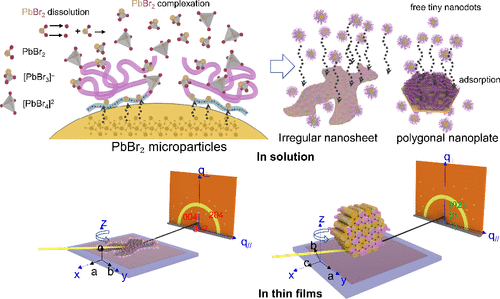
We report the formation of hybrid hairy nanostructures composed of polystyrene-block-poly(ethylene oxide) (PS-b-PEO) and lead bromide (PbBr2) complexes in 1,3,5-trimethylbenzene (TMB). In this system, TMB acts as a selective solvent (good for the PS block and bad for the PEO block) while serving as a nonsolvent for PbBr2. Although PbBr2 is insoluble in neat TMB, its complexation with PS-b-PEO promotes the formation of the [PbBr3]− and [PbBr4]2– complexes. These complexes coordinate with the ether groups of the PEO block, forming host–guest interactions that drive the inclusion crystallization of two-dimensional (2D) hybrid nanostructures, including irregular nanosheets and polygonal nanoplates. The morphology of these nanostructures strongly depends on the PS-b-PEO/PbBr2 weight ratio. Higher ratios (20/100 and 20/200) favor irregular nanosheets, while lower ratios (20/10) favor polygonal nanoplates. Structural analysis reveals that the irregular nanosheets adopt an orthorhombic Cmca lattice (a = 23.53 Å, b = 4.20 Å, c = 33.22 Å), whereas the polygonal nanoplates exhibit a hexagonal P6mm lattice (ahex = 13.954 Å, γ = 120°). Both types of 2D structures are decorated with ultrasmall PbBr2 nanoparticles encapsulated by PS-b-PEO chains. The PEO blocks coordinate to nanoparticle surfaces, while PS blocks swell in the TMB. This synergistic process integrates PbBr2 complexation, host–guest coordination, inclusion crystallization, and block copolymer-mediated nanoparticle assembly. In spin-coated films, polygonal nanoplates preferentially adopt edge-on orientations, while irregular nanosheets lie flat-on. These findings offer insights into block copolymer templating of 2D organic–inorganic hybrid nanostructures.

Adsorption of Methylene Blue onto Polydopamine-Functionalized Halloysite Nanotubes: Kinetics and Equilibrium Studies
Hamoon Hemmatpour - ,
Vahid Haddadi-Asl *- ,
Fatemeh Khanipour - ,
Oreste De Luca - ,
Marc C.A. Stuart - ,
Liqiang Lu - ,
Yutao Pei - , and
Petra Rudolf *
This publication is Open Access under the license indicated. Learn More
The elimination of synthetic dyes from industrial effluents represents a persistent environmental challenge. Developing sustainable and effective adsorbents is essential to preserve global water resources. In this study, we introduce an efficient and facile strategy for methylene blue removal from aqueous systems using halloysite nanotubes functionalized with polydopamine. The polydopamine coating generated a dense array of active adsorption sites, as confirmed by X-ray photoelectron spectroscopy, energy-dispersive X-ray spectroscopy, thermogravimetric analysis, and zeta potential measurements. Porosity characterization and X-ray diffraction provided complementary insight into the structure and morphology of the hybrid nanotubes. We systematically investigated the influence of contact duration and solution pH on dye uptake by pristine and functionalized nanotubes. Kinetic evaluation revealed excellent agreement with the pseudo-second-order model (R2 > 0.999), yielding rate constants of 0.002 and 0.003 g·mg–1·min–1 for samples treated with polydopamine for 6 and 24 h, respectively. The equilibrium adsorption data were analyzed using Langmuir and Freundlich isotherms, showing that functionalized nanotubes achieved a maximum adsorption capacity of 86 mg·g–1 at 25 °C and pH 10 – almost double that of pristine HNTs (47 mg·g–1). The high adsorption efficiency, comparable to conventional adsorbents such as zeolites, together with the simplicity and environmental compatibility of the functionalization procedure, underscores their suitability for real-world wastewater applications. Additionally, the demonstrated applicability of this modification method to other dye-adsorbent systems highlights its adaptability and broad potential.
Sulfur-Doped Graphitic Carbon Nitride/Bi Nanospheres/Bismuth Tungstate Microflowers Ternary Composites-Based Electrochemical Sensor for Sensitive Pb2+ Detection
Shiyu Wang - ,
Jinping Li - ,
Mingmei Ge - ,
Xinying Han - ,
Jing Guo - ,
Yang Zhao *- , and
Huan Wang *
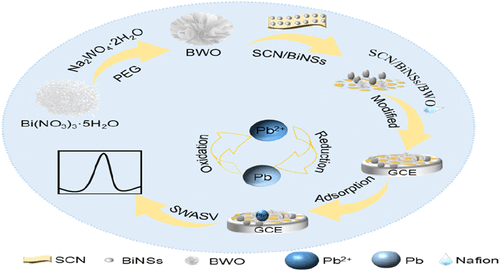
The development of efficient and durable electrochemical sensor electrode materials is essential for real-time analysis. Graphitic carbon nitride (g-C3N4) nanostructures have emerged as a new generation of sensing platforms for electrochemical detection of hazardous pollutants, owing to their abundant functional amino groups, tunable nanostructures, high density of active sites and superior physicochemical properties. In this study, sulfur-doped graphitic carbon nitride (SCN) was synthesized via thermal polycondensation, followed by the fabrication of bismuth nanospheres (BiNSs) and bismuth tungstate (BWO) through a solvothermal method. BiNSs exhibit excellent electrical conductivity and strong affinity toward Pb2+ ions, while BWO possesses a unique heterojunction-regulating ability and oxygen vacancy structure. Both components synergistically interact with SCN to construct a composite system with complementary functionalities. The SCN/BiNSs/BWO nanocomposite was employed as a signal probe for Pb2+ detection. Under optimized conditions, namely pH = 5 with a deposition potential of −0.9 V and a deposition time of 180 s in (sodium acetate-acetic acid) NaAc-HAc buffer, the sensor demonstrated excellent performance, yielding a detection limit of 0.04 μM and a linear range of 0.1–4.5 μM. The SCN/BiNSs/BWO-modified glassy carbon electrode (GCE) demonstrated excellent stability. Recovery rates for Pb2+ detection in real water samples ranged from 94.7 to 109.0%, highlighting the significant practical application potential of the proposed electrode material.

Liquid-like Slippery Surfaces via Ultrasound Activation and Grafting of Polydimethylsiloxane
Nusret Celik - ,
Zeliha Atioğlu - ,
Aleyna Ozbasaran Kara - ,
Mahmut Ruzi - ,
Shan Jiang - ,
Hans-Jürgen Butt - , and
Mustafa Serdar Onses *
Slippery molecular coatings that dynamically repel polar and nonpolar liquids are in urgent need for a diverse range of applications. Nanoscopic films of grafted polydimethylsiloxane (PDMS) have particularly attracted significant attention for their liquid-like slipperiness, which arises from their flexible chains and low surface energy. Herein, we present ultrasound-assisted activation and grafting of methyl-terminated PDMS for generating fluorine-free omniphobic coatings on silicon oxide-terminated surfaces. Intense sound waves generated by an ultrasonic homogenizer induce the activation of unreactive and inert PDMS, allowing ambient grafting in less than an hour. The grafted PDMS films with a thickness of ∼4 nm exhibit sliding angles below 17° for liquids with surface tensions ranging from 20 to 73 mN/m. The sonochemical activation of PDMS under outdoor conditions and its subsequent deposition over square meters of surfaces demonstrate the practical potential of the proposed method. The ultrasound activation enables the versatile preparation of liquid-like slippery molecular coatings over large areas using inexpensive materials and ambient processes.

Structured Water Modulates the Ion Coordination at Biointerface
Chen Wang - ,
Shanshan Li - ,
Manyu Zhu - ,
Shichen Liu - ,
Jiaqi Li - ,
Lie Wu *- , and
Xiue Jiang *
Coordination of metal ions with biointerfaces plays essential roles in numerous physiological and pathological processes, such as signal transduction, enzymatic catalysis, and membrane organization. Growing insights underscore the ubiquitous and significant role of water structure in modulating interactions at biointerfaces. The intrinsic surface heterogeneity of biointerfaces significantly modulates water structure and affects interfacial interactions. Especially, the surfaces of proteins and membranes are complex and heterogeneous, both chemically and geometrically, with nanoscale mixed hydrophilic/hydrophobic groups and dislocated positions. However, little is known about the effect of dislocated heterogeneity on metal ion coordination at biointerfaces. Herein, we developed a simplified ion coordination biointerface model with dislocated chemical and geometrical heterogeneity and explored the effect of atomic-scale dislocated proximal groups on interfacial properties and the resultant influence on ion coordination. Results showed that the surface charging state, hydrogen bonding environment, and interfacial water structure were modulated by the atomic-scale dislocated hydrophobic and hydrophilic mixing, thereby affecting ion coordination. Importantly, we found that structured water (water molecules at or near the biointerface with ordered hydrogen-bonded networks) plays a dominant role in interfacial ion coordination, where enhanced hydrogen-bonded structured water significantly hindered ion coordination. These findings underscore the important role of atomic dislocation and structured water in modulating the interactions between biological heterogeneous surfaces and ions, providing valuable guidance for the design and application of ion coordination-involved surfaces in both biological and industrial fields.
Neutron Reflectometry on Superspreading and Non-Superspreading Trisiloxane Surfactants
Joshua Reed *- ,
Séforah Carolina Marques Silva - ,
Philipp Gutfreund - ,
Joachim Venzmer *- ,
Tatiana Gambaryan-Roisman - , and
Emanuel Schneck *
This publication is Open Access under the license indicated. Learn More

ACS Editors' Choice® is a collection designed to feature scientific articles of broad public interest. Read the latest articles
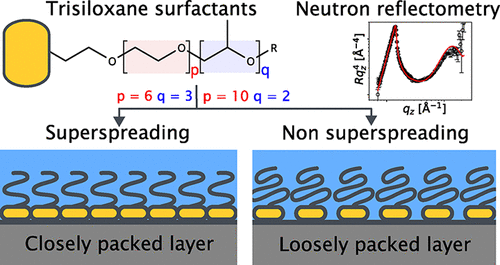
Certain trisiloxane surfactants have the remarkable property of being able to superspread: small volumes of the surfactant solution rapidly wet large areas of hydrophobic surfaces. The molecular properties of the surfactants that govern this technologically relevant process are still under debate. To gain a deeper understanding, the surfactant behavior during the spreading process needs to be studied at molecular length scales. Here, we present neutron reflectivity analyses of two trisiloxane surfactants of similar chemical structure, of which only one exhibits superspreading properties. We present an approach to determining the composition of the adsorbed surfactant layer in spread surfactant films at the solid–liquid interface, accounting for contributions from attenuated back-reflections of the neutron beam in films with thicknesses in the range of several tens to hundreds of micrometers. Differences between superspreading and non-superspreading surfactants with regard to their volume fraction profiles at the solid/liquid interface obtained in the self-consistent analysis of the reflectivity curves are in agreement with a simple explanation of the difference in spreading behavior based on thermodynamics.

Achieving Extreme Wettability Transition on 3D-Printed Titanium Alloys for Tribological Properties Improvement via Femtosecond Laser and Anodic Oxidation
Weiting Wu - ,
Yuan Ma - ,
Jiayi He - ,
Yang Cao - , and
Anfu Chen *
Titanium alloy Ti-6Al-4 V (TC4) is widely employed in orthopedic implants due to its superior mechanical properties and enhanced corrosion resistance. However, the biocompatibility and wear resistance of TC4 surfaces are imperfect, thereby restricting the application in medical use. Therefore, regulation of topological structures and extreme wettability transition on TC4 surfaces is required. Single-step surface modification techniques often fail to simultaneously improve both the hydrophilicity and wear resistance of TC4 surfaces. To overcome this limitation, this work introduces a novel strategy integrating femtosecond laser ablation with anodization to enhance the biocompatibility and tribological properties of 3D-printed TC4 components. Initially, femtosecond laser was used to fabricate groove structures on 3D-printed TC4 surfaces, followed by anodization of the femtosecond laser-ablated TC4 surface. This approach aims to endow TC4 surfaces with optimized wettability and wear resistance, extending the life span of TC4 components. The chemical composition and morphology of modified TC4 surfaces were characterized to elucidate the formation mechanism of the micronano structures resulted from synergistic effects of laser ablation and anodization. Through controlling topological structure and chemical composition of TC4 surfaces, a practical application of manufacturing of 3D-printed TC4 components is expected to be possible due to their enhanced hydrophilicity and wear resistance for 3D-printed TC4 implants.

Structural and Dynamical Insights into Self-Assembly Kinetics in Miktoarm Star Polymer Solutions: Role of Arm Size and Topology1
Devendra Kumar Verma - ,
Ashish Kumar Singh - , and
Awaneesh Singh *
We employ dissipative particle dynamics (DPD) simulations to study phase separation (PS) kinetics of miktoarm star polymer (MSP) solutions composed of chemically incompatible arms. We explore two distinct scenarios: (i) symmetric variation in arm lengths at fixed arm numbers and (ii) symmetric variation in arm numbers at fixed arm lengths. A thermal quench from a homogeneous state induces thermodynamic instability, which drives PS through a competition between enthalpic and entropic effects. Our analysis reveals that architectural parameters, such as arm length and arm number, play a critical role in determining the morphology of the system, leading to variations from disordered phases to well-ordered lamellae, as well as influencing growth kinetics, the thermodynamic description of PS, and dynamic scaling behavior. In case 1, PS is significantly suppressed for shorter arms, whereas distinct domain formation and lamellar ordering emerge with larger arm lengths. Increasing arm length enhances domain size at late times and slows down the growth rate at early times. In case 2, increasing the number of arms leads to enhanced intramolecular interactions and structural anisotropy, while preserving the lamellar morphology across all arm numbers. Thermodynamic analyses reveal that configurational entropy increases with arm length but decreases with arm number due to topological crowding, whereas enthalpy systematically decreases with increasing intrachain interactions. Domain coarsening follows a diffusive scaling regime, R(t) ∼ t1/3, at early times, with saturation in domain size R(t) at later times for a larger number of arms and their size. These insights have important implications for designing architecturally complex polymeric materials with tunable self-assembly behavior.

Influence of Structural Modifications on the Self-Assembly of Pyridine-Based Double-Tailed Surfactants in Thin Films
Ala’a F. Eftaiha *- ,
Abdussalam K. Qaroush *- ,
Feda’a M. Al-Qaisi - ,
Yazan Y. Falahat - ,
Khaleel I. Assaf - ,
Haneen S. Assaf - ,
Tuomo Viitaja - ,
Filip S. Ekholm - , and
Matthew F. Paige
Amphiphilic molecules are attracting growing interest for diverse applications in drug delivery, advanced materials, and interfacial technologies. Their structural variations offer key insights into how molecular design influences self-assembly, interfacial behavior, and functional performance. This study examined the interfacial behavior of dihexadecylpyridine-2,6-dicarboxylate (EDTS)-based surfactants as a function of various structural modifications, including headgroup quaternization (EDTS+), zinc coordination to constrain the head–tail junction (Zn-EDTS), alteration of the head–tail linkage (ester vs imine, IDTS), along with a comparison with a conventional single-tail analogue (ECS). Gas-phase density functional theory calculations revealed V-shaped geometries with varying degrees of compactness for the investigated architectures. For Langmuir monolayer studies, surface pressure–area (π–A) isotherms demonstrated distinct differences in the interfacial behaviors of EDTS compared to their single-tailed analogues. These findings were supported by Brewster angle microscopy, surface potential–area (ΔV–A) isotherms and atomic force microscopy measurements of films fabricated at air–water and air–solid interfaces, showing that subtle architectural modifications significantly influence packing density and domain formation. Additionally, the effect of mixing with C16-chain amphiphiles, specifically their carboxylic acid, alcohol, and trimethylammonium variants, on EDTS monolayers was studied. Headgroup compatibility in this class of surfactants was evaluated by isolating tail–tail packing contributions from the excess Gibbs free energy of mixing (ΔGmixex) for EDTS-ECS.
Molecular Dynamics Insights into Oil Droplet Adsorption and Penetration on the Stratum Corneum
Shideng Yuan *- ,
Lin Wang - ,
Shasha Liu - , and
Xiaorong Cao *
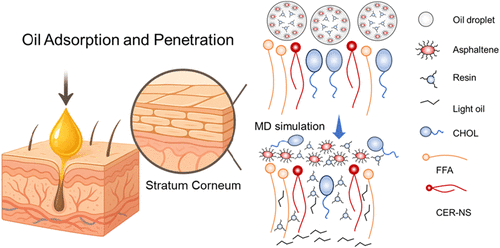
Oil exposure represents a common environmental hazard that may compromise skin barrier function by disrupting the structural integrity of the stratum corneum (SC). Here, molecular dynamics (MD) simulations were employed to investigate the interactions between crude oil and the SC, aiming to elucidate how oil exposure impacts skin barrier function at the molecular level. The simulation results showed that the oil droplet rapidly adsorbed onto the SC within the first 1.0 ns upon contact. Permeation proceeded after the initial adsorption and spreading of the oil droplet and dominated the long-time dynamics of the system. Due to their larger molecular size and amphiphilic nature, asphaltene and resin molecules primarily remained at the SC-water interface, exhibiting limited permeability. Resin molecules showed distinct permeability despite comparable sizes, as heteroatom incorporation enhanced hydrophilicity and surface affinity, thereby hindering deeper penetration. In contrast, light crude oil molecules, characterized by their small size and hydrophobicity, penetrated deeply into the interior of the SC bilayer. Diffusion kinetics analysis revealed that the diffusion coefficients followed the order: light oil > resin > asphaltene, reflecting their relative mobility within the system. The high mobility of cholesterol (CHOL) molecules made them the most unstable components within the SC, playing a pivotal role in facilitating oil penetration. Upon interaction with oil droplet molecules, CHOL underwent a stepwise escape process from the bilayer, ultimately creating voids that promoted deeper oil ingress. This study provided detailed insights into how different crude oil components affect the structure and function of the SC, offering valuable guidance for developing strategies to protect the skin barrier.

Sensitive Detection of Ralstonia solanacearum Using Recombinase-Aided Amplification and an Aerolysin Nanopore
Bin Li - ,
Xiaoqiang Wang - ,
Dongmei Xi - , and
Ying Wang *
Ralstonia solanacearum is a soil-borne plant pathogenic bacterium that causes bacterial wilt disease, leading to substantial economic losses in over 250 crops, including tomatoes, tobacco, and potatoes. We developed a novel method for the specific detection of R. solanacearum by combining recombinase-aided amplification (RAA) with wild-type aerolysin nanopore. The probe Target-16 was hybridized to one strand of the RAA product, allowing the nicking endonuclease Nb.BsrDI to recognize specific cleavage sites and cleave the product into two short DNA strands. As these short DNA strands passed through the aerolysin nanopore, they produced distinct current-blockage signals that were markedly different from those generated by Target-16, thereby enabling on-site detection of R. solanacearum. This method revealed high sensitivity (10 pg/μL) and specificity and reproducibility. The strategy is less dependent on expensive instruments and pure DNA, and can be performed within 3.2 h at constant temperature, which can be utilized to detect R. solanacearum in tobacco samples, yielding results consistent with those obtained using PCR and DNA sequencing. This method provides a powerful tool for the rapid detection of R. solanacearum, especially suited for fieldwork or laboratories with limited resources.
Evidence for Enzyme “Sliding” when Physisorbed on a Surface in a Multienzyme Reaction System
Rowan McDonough - ,
Charlotte C. Williams - ,
Carol J. Hartley - ,
Nigel G. French - ,
Colin Scott - , and
David A. Lewis *
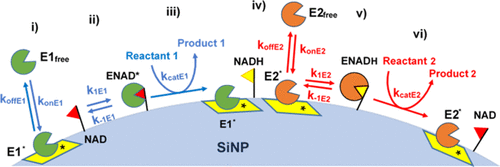
While the reactions of enzymes with cofactors physically or chemically attached to a surface have been demonstrated, a fundamental question that remains is how enzymes interact with the surface, specifically whether they desorb from the surface after reaction and readsorb or whether they traverse, or “slide”, across the surface. Detailed kinetic modeling of experimental results for multienzyme-coupled regeneration of the cofactor nicotinamide adenine dinucleotide (NAD+) tethered to the surface of silica particles (SiNPs) via a flexible tether arm shows that each enzyme performs multiple (200–400) catalytic cycles per an adsorption event on the particle surface. This suggests that the enzymes must be able to slide across the surface in a single adsorption cycle. Two coupled enzyme systems, (i) alcohol dehydrogenase (ADH) coupled with glutamate dehydrogenase (GluDH) and (ii) EcG3PD coupled with the NAD+ regenerating enzyme NADH oxidase from Clostridium aminovalericum, were investigated and shown to perform in a similar manner, suggesting that this is a broad phenomenon that may have implications for biochemical reactions.

Preparation of DAP-4@Ti Core–Shell Composites with Enhanced Combustion Performance
Yang Liu - ,
Yan Li - ,
Huinan Wang - ,
Weimin Kong - ,
Jianlong Wang - ,
Binfeng Sun - ,
Yu Qiu - ,
Xi Zhang - ,
Yibing Duan - ,
Zhixing Lv *- , and
Lishuang Hu *
To enhance the dispersion of nano-Ti powder within the composite system and improve the combustion performance of DAP-4, this study employs an ultrasonic composite method to prepare DAP-4@Ti core–shell structured composites. The morphology and structure of the composites are characterized using scanning electron microscopy, energy-dispersive X-ray spectroscopy, and X-ray diffraction. The effect of the nano-Ti content on the thermal decomposition properties of DAP-4 was analyzed with a synchronous thermal analyzer, and the ignition and combustion processes were further investigated through electric ignition methods. The results demonstrate that DAP-4@Ti composites exhibit a well-coated structure, with DAP-4 serving as the core and nano-Ti powder as the shell. The coating of nano-Ti powder significantly enhances the combustion performance of DAP-4, achieving a maximum combustion heat value of 8889 J/g, a peak flame temperature of 1234 °C, and the fastest flame propagation speed of 115 mm/s while simultaneously improving the thermal decomposition characteristics of the core–shell particles.

Real-Time Visualization of Solutal Marangoni Convection in Sub-100 nm Precursor Films Using Laser-Generated Droplet Probes
Shinya Hakuta *- ,
Masayuki Naya - ,
Mamoru Sato - ,
Jintaro Shiina - , and
Toshiharu Saiki
This publication is Open Access under the license indicated. Learn More
We present a tracer-free method for the real-time visualization of flow in nanometer-thick liquid films─an essential scale for controlling wetting and interfacial transport. We demonstrate that focusing a 532 nm continuous-wave laser (≈1 mW) on a bubble region within a 5 μm gap, filled with a binary mixture of liquids with different volatilities and surface tensions (ethanol/PEG-200 mixture), spontaneously generates PEG-rich microdroplets on demand. Here, we show that immediately after the laser is switched off, the droplet depins and travels rectilinearly away from the reservoir at ∼30 μm/s. Coupled laminar-flow/species-transport simulations reveal that the ∼50 nm-thick precursor film sustains a surface flow driven by solutal Marangoni convection arising from spontaneous ethanol evaporation; the droplet is passively conveyed by this flow. This laser-droplet platform thus provides the first tracer-free technique to observe interfacial flow in precursor films thinner than 100 nm─including steady-thickness states─using a standard optical microscope. Furthermore, when an artificial, high-concentration PEG region is created by laser manipulation, a subsequently generated droplet is attracted toward it, confirming that this method can also visualize local concentration gradients on the substrate. The method exceeds the thickness limits of conventional micro-PIV (Particle Image Velocimetry) and offers a new real-time probe for ultrathin-film transport phenomena. These findings enhance our understanding of concentration-gradient-driven transport at the nanoscale and inform multiscale designs for heat- and mass-transfer devices.

Fabrication of Smart Flame-Retardant Epoxy Composites Modified by VO2 (M)-Based Microcapsules with Thermoelectric Response Performance
Yunxin Ai - ,
Zhaoqi Zhu *- ,
Weijun Liu - ,
Hanxue Sun - ,
Jiyan Li - ,
Rui Jiao - , and
An Li *
The development of high-performance flame-retardant materials with favorable thermal insulation properties is crucial for mitigating fire hazards and energy consumption in applications such as packaging and modern buildings. In this study, flame-retardant microcapsules (VUMF-APP) were synthesized via microencapsulation and electrostatic self-assembly with ammonium polyphosphate (APP) as the core, urea–melamine–formaldehyde (UMF) resin as the shell, and thermoelectric-responsive VO2 (M) as the functional outer layer. These microcapsules were incorporated into epoxy resin (EP) to enhance the composite’s (VUMF–APP–EP) thermal stability, flame retardancy, and intelligent early warning function. The VUMF–APP–EP composite exhibits notable thermal insulation performance with a thermal conductivity of 0.0117 W m–1 K–1. Compared to pristine EP, the composite shows reductions of 46.7% in peak heat release rate (pHRR) and 78.3% in total smoke production (TSP) and achieves a UL-94 V-0 rating, indicating its effective flame-retardant characteristics. Owing to the thermoelectric-responsive property of VO2 (M) decorated onto the microcapsules, the epoxy resin composite demonstrates an intelligent early warning function, triggering alerts before fire ignition while maintaining flame retardancy. This dual functionality contributes to timely fire prevention and the reduction of potential property damage and casualties.
Fe3+-Coordination-Directed Assembly of Robust Fe-Incorporated Polymethylsilsesquioxane Xerogels with Branched Networks
Chengdong Li *- ,
Haozhou Zhao - , and
Yuanhang Wang
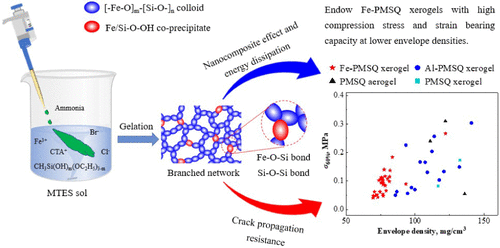
Polymethylsilsesquioxane (PMSQ) xerogels represent a compelling alternative to conventional silica aerogels for ambient pressure drying, owing to their pendant methyl groups that confer low skeletal density (∼1.40 g/cm3), mechanical flexibility, and intrinsic hydrophobicity. However, their practical application has been limited by insufficient mechanical strength. Here, we address this limitation by developing Fe-incorporated PMSQ (Fe-PMSQ) xerogels via a synergistic acid–base catalytic route using FeCl3 and NH3·H2O. The total base molarity (cbase) governs the sol pH, which in turn regulates Fe3+ hydrolysis speciation and the condensation kinetics of methyltriethoxysilane. Within an optimal pH range of 7.0–7.5, Fe(OH)3 dominates the speciation and coordinates with cetyltrimethylammonium bromide (CTAB) micelles via Fe3+-directed assembly. This process templates a branched architecture that diverges from the conventional spherical or coral-like PMSQ networks. The resulting structure features Fe3+ nanoclusters acting as densely cross-linked nodes that form multiple Si–O–Fe linkages and restrict Si–OH condensation into rigid branches, while CTAB promotes local Fe3+ enrichment at network junctions. Gelation completes within 2 h with only about 10% linear shrinkage, surpassing the performance of both pristine PMSQ and Al-incorporated PMSQ benchmarks. Deviations from this optimal pH range hinder gelation: at pH ∼6.5, gelation is either delayed beyond 60 h or leads to macroscopic stratification, whereas above 7.5, rapid sol-precipitate phase separation occurs. The hierarchically branched structure endows the Fe-PMSQ xerogels with exceptional mechanical robustness, enabling them to withstand up to 80% compression strain without fracture and exhibit exponential strain stiffening between 80% and 90% strain. Moreover, the materials endure 400 compression cycles at 60% strain without failure and show stress recovery after rest periods of over 4 days. These properties collectively ensure structural integrity under demanding loading conditions, positioning Fe-PMSQ xerogels as viable candidates for industrial applications.
Electrospinning Fabrication and Characterization of La2W2O9/Eu3+ One-Dimensional Nanomaterials
Sitong Liu *- ,
Xiangting Dong - ,
Guangxing Wang - ,
Haiyang Wang - ,
Dongming Sun - ,
Yixuan Li - , and
Xuejian Fan
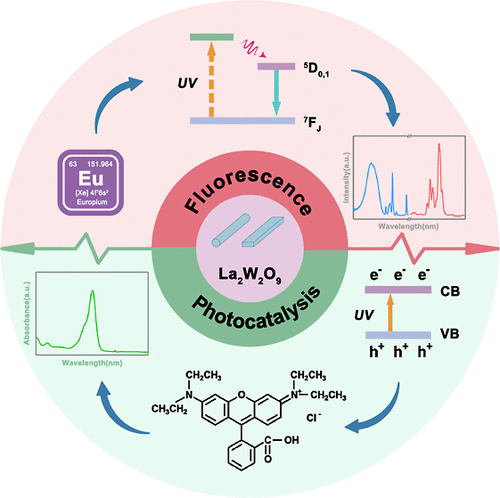
One-dimensional La2W2O9/Eu3+ nanofibers and nanoribbons were successfully fabricated by calcining electrospun PVP/[La(NO3)3 + Eu(NO3)3 + N10H40W12O41] composite fibers and composite ribbons, respectively. The effects of morphology on the luminescence properties and photocatalytic activity of the La2W2O9/Eu3+ nanomaterials were systematically investigated. Results indicated that the optimal doping concentration of Eu3+ in La2W2O9 nanofibers was 7%, and the average diameter of La2W2O9/7% Eu3+ nanofibers was 171.74 ± 21.27 nm, while the average width of La2W2O9/7% Eu3+ nanoribbons was 4.88 ± 0.28 μm. Under the same doping concentration, the luminescence intensity of nanofibers was significantly stronger than that of the nanoribbons. Research on the photocatalytic property demonstrated that the La2W2O9/Eu3+ nanomaterials exhibited a pronounced photocatalytic performance in the degradation of RhB molecules under ultraviolet (UV) light irradiation. It was further demonstrated that the photocatalytic property correlated closely with both the luminescence intensity and the morphology of La2W2O9/Eu3+ nanomaterials.

Synergistic Effect of Sonication and Electrolysis for Producing Stable Oxygen Nanobubbles
Xiaotian Wang - ,
Chen Hou - ,
Xingya Wang - ,
Zhejun Song - ,
Jun Hu *- ,
Limin Zhou *- , and
Lijuan Zhang *
Oxygen nanobubbles (ONBs) have attracted significant attention due to their unique physicochemical properties and potential applications in biomedical, environmental, and energy-related fields. Efficient production of ONBs is the key to further promote their application challenges yet still remains a challenge. In this work, we systematically compared the performance on the stable generation of ONBs between two distinct methods: the conventional electrolysis and a combined sonication–electrolysis approach with a well-designed electrolysis device with separate cathode and anode chambers. Our results demonstrated that electrolysis alone could produce ONBs with a concentration of 2.6 × 10⁷ particles mL–1 and an X50 (the median indicating that particle sizes below this value accounted for 50% of the total number of particles) size of about 80 nm. In contrast, the synergistic integration of ultrasound and electrolysis significantly improved the yield, achieving a higher concentration of 9.6 × 10⁷ particles mL–1, albeit with a slightly larger X50 size of about 115 nm. This work provides a feasible strategy for precisely controlling the size and concentration of ONBs, which is critical for their scalable preparation and further applications.
Influence of Substrate Surface Energy and Thickness on the Evaporation Dynamics of Sessile Saline Droplets
Soumya Mattupalli - and
Nandini Bhandaru *
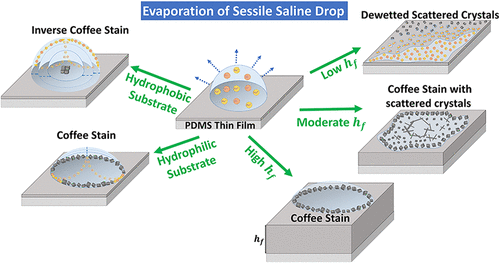
This study investigates how substrate surface energy (γS) and thickness (hf) govern the evaporation and crystallization of aqueous NaCl droplets on polydimethylsiloxane (PDMS). Surface energy was tuned via UV–ozone (UVO) treatment on spin-coated thin films and self-standing blocks. Two deposition regimes were identified: (i) low γS, where weak pinning (FPin) and high nucleation barriers yield condensed central crystals, and (ii) high γS, where strong pinning and early crystallization produce coffee-ring deposits, with needle-like morphologies at higher γS. Thickness effects emerged under prolonged UVO: thin films (hf ≈ 617 nm) exhibited uniform crystal deposits upon dewetting, while thicker films (hf ≈ 1.3–3.6 μm) promoted needle-shaped growth. The Péclet number (Pe) delineated deposition modes, with Pe > 45 favoring rings and Pe < 45 condensed deposits. A morphology phase diagram maps the interplay of supersaturation (S) and FPin, revealing coffee-ring formation above ∼0.1 mN and dewetting-driven patterns at FPin ≈ 0.0005 mN. Results demonstrate how coupled substrate properties dictate evaporative deposition, offering pathways for controlled coating and surface patterning.
Multiple Regression Analysis-Based Reveals the Effect of Complex Parameters of Porous Media on Preferential Flow
Lele Chen - ,
Qinggang Qiu *- ,
Ping Wang - , and
Xuan Zhang
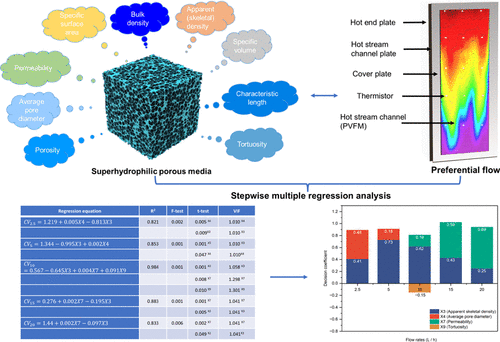
Air-gap diffusion distillation (AGDD) is a promising new technology that utilizes superhydrophilic porous media both as thermal channels and as evaporation surfaces to achieve high-efficiency desalination. However, the preferential flow phenomenon within superhydrophilic porous media significantly impairs AGDD desalination efficiency, so a rationally structured porous media must be designed to minimize preferential flow. Nevertheless, previous studies on preferential flow rarely addressed porous media structural parameters. In order to overcome the experimental limitation of distinguishing individual contributions of various porous media parameters to preferential flow under correlated conditions, we conducted extensive preferential flow experiments based on AGDD and introduced statistical methodologies. A stepwise multiple regression analysis was conducted to reduce the dimensionality of independent variables and construct regression equations (with coefficients of determination, R2, reaching 82.1–98.4%). According to the experiments, apparent skeleton density, mean pore diameter, permeability, and tortuosity of superhydrophilic porous media are the key parameters determining preferential flow. However, only apparent skeleton density suppresses preferential flow, while pore diameter, permeability, and tortuosity promote it. There are two distinct patterns of the generation and development of preferential flow: Heterogeneous Channel Pattern (under low saturation conditions), where preferential flow is primarily influenced by the inherent heterogeneity of the porous material, as represented by the mean pore diameter. Larger pore diameters directly induce instability at the wetting front. There is also the Seepage Instability Pattern (under high saturation conditions), which is primarily influenced by the instability of the seepage flow field, represented by permeability, resulting in preferential flow. Because unsaturated hydraulic conductivity is highly sensitive to saturation, it intensifies hydraulic conductivity heterogeneity rapidly as saturation increases, resulting in velocity differentials that produce preferential flow when saturation occurs.

Efficient Deashing and Desulfurization of Waste-Tire-Derived Carbon Black via Ca-Compound Composite Molten Salt (NaOH–Na2CO3–CaX)
Zhixin Zhao *- ,
Wei Chen - ,
Yumei Wu - ,
Mingding Li - ,
Lianyi Liao - ,
Yuxiang Deng - ,
Cenyi Luo - ,
Juan Xue *- , and
Zhengqiu Li *
Recovered carbon black (RCB) from waste tire pyrolysis is a promising sustainable alternative to commercial carbon black (CB), but its high-value use is limited by pyrolysis-derived impurities. To address inefficiency and pollution in existing methods, in this work we developed a ternary Ca-compound composite molten salt (MS) system (NaOH–Na2CO3–CaX). Effects of temperature (450–550 °C), calcium compound type (CaO, Ca(OH)2, Ca(PO3)2, Ca3(PO4)2), and dosage (10–40 wt %) were systematically investigated. Results demonstrate that within the NaOH–Na2CO3–CaO MS system, NaOH–CaO synergy converted ZnS/SiO2 into soluble Na2[Zn(OH)4]/Na4SiO4, while sulfur-containing short-chain aliphatic hydrocarbons are converted into Na2SO4/Na2SO3 and dissolved in the MS. Under optimal conditions (500 °C, 10 wt % CaO), removal efficiencies of 82% for ash and 96% for sulfur were achieved. The treated RCB exhibited a broader pore size distribution, a 7.9% increase in specific surface area, and a 60.3% reduction in the average particle size. This process enables the in situ conversion of pollutants, thereby avoiding the emission of sulfur-containing exhaust gases and the generation of waste acids. The treated RCB demonstrates considerable potential as a substitute for commercial CB, offering an environmentally friendly strategy for waste tire valorization.

Structural and Electronic Properties of Benzyl Isothiocyanate Films
H. H. Hirushan - ,
Darya M. Moiny - ,
Adithya Sadanandan - ,
Lily S. Tackett - ,
N. Dissanayake - ,
Lindsey N. Penland - ,
Dmitry Ovchinnikov *- ,
Qunfei Zhou *- , and
Rachael G. Farber *
Benzyl isothiocyanate (BITC) is an aromatic isothiocyanate that exhibits antimicrobial effects, shows promise as an antivirulence compound, and can be encapsulated in nanoparticles for drug delivery. Despite the use of BITC in the condensed phase for biological applications, little structural or electronic information is understood for BITC films nor are the optimal parameters for forming well-ordered BITC self-assembled monolayers (SAMs) on Au surfaces clearly defined. In this work, we employed a novel amplitude-modulated atomic force microscopy (AM-AFM) technique to rapidly screen BITC SAMs by following various preparation protocols. Optimal BITC SAMs formed following the incubation of Au(111)/mica for at least 65 h in a 20 mM ethanolic BITC solution under ambient conditions. AM-AFM findings were corroborated with ultrahigh-vacuum scanning tunneling microscopy and spectroscopy (UHV STM/STS) analysis, confirming the formation of striped domains of BITC across the Au(111) surface. The density of states indicates significant hybridization of electronic states in the BITC and the Au(111) support. Density functional theory (DFT) calculations verified the experimentally observed packing structure for BITC/Au(111) and revealed a large work function attenuation following the adsorption of BITC on Au(111) surfaces. These results validate the use of AM-AFM to rapidly and with high precision characterize complex thin film surfaces for subsequent analysis using STM/STS and highlight the unique structural and electronic properties of BITC films when used in the condensed phase.

Intelligent Microsphere Soil Conditioner Based on Aminated Lignosulfonate and Thermoresponsive Polymer
Tiantian He - ,
Yue Lu - ,
Yanying Chen - ,
Jincheng Wang *- , and
Hua Zhang *
In this research, a composite hydrogel microsphere material, SA/P(NVCL-ALS)-N-ZnO/A-Dol-urea (hereafter referred to as SA-PANZ), with dual responsiveness to temperature and pH, was developed by integrating aminated lignosulfonate sodium (ALS), poly(N-vinylcaprolactam) (PNVCL), nano zinc oxide (N-ZnO), and alkali-treated dolomite (A-Dol). The material exhibited excellent controlled-release performance, with a cumulative urea release rate of 67.22% at 40 °C and pH = 4. The Ritger-Peppas model fitted well with the release data, providing strong theoretical support for optimizing the microspheres. Compared to control groups, both the loading efficiency and encapsulation efficiency were significantly improved, achieving 38.50 and 12.83%, respectively. Water retention tests demonstrated that the microspheres maintained 39.92% of their moisture after 5 h, indicating an excellent water-holding capacity. Degradation experiments indicated a degradation rate of 60.14% under acidic conditions, demonstrating excellent biodegradability. Antibacterial assays revealed a clear inhibitory effect against Aspergillus niger, and plant cultivation experiments confirmed that the microspheres promoted pea growth under acidic and high-temperature stress. This research introduced a novel biodegradable microsphere-based soil conditioner with strong potential to improve nutrient use efficiency and soil quality in agricultural environments.

Fluorescent Carbon Dots Decorated with ONN Donor Sites by Using Schiff Base Silatrane for Selective Recognition of Mefenamic Acid in Environmental Samples
Rollania Negi - ,
Irshad Mohiuddin - ,
Raghubir Singh *- ,
Kulvinder Singh - , and
Varinder Kaur
The microwave-assisted synthesis of fluorescent carbon dots decorated with ONN donor sites (CDs@SBONN) by using the silatranyl derivative of Schiff base is described in this study. The formation of Schiff base (SBONN) and Schiff base silatrane (Silt-SBONN) is confirmed by spectroscopic studies, including Fourier transform infrared spectroscopy, nuclear magnetic resonance, mass spectrometry, and single-crystal X-ray diffraction. The structural parameters of CDs@SBONN have been investigated using thermogravimetric analysis, scanning electron microscopy, transmission electron microscopy, dynamic light scattering, Brunauer–Emmett–Teller analysis, and X-ray photoelectron spectroscopy analysis. The ONN donor sites in CDs@SBONN interact with the mefenamic acid (MA) selectively out of different drugs (such as ibuprofen, acetylsalicylic acid, naproxen, diclofenac, and ketoprofen), amino acids (like glycine, valine, and alanine), excipients (like glucose and urea), cations (like Cd2+, Cu2+, Fe3+, and Cr3+), and anions (like Cl–, AcO–, NO3–, and SO42–), and display a quenching signal at λems = 460 nm (λexc = 360 nm). The quenching of the signal is linear in the range of 100–800 nM, and the limit of detection is 40.8 nM. Furthermore, the 1H NMR titrations, fluorescence lifetime studies, density functional theory calculations, and Zeta potential (ζ) studies clarify the interaction through COOH and NH groups of MA and CH═N and OH sites of Silt-SBONN. The standardization of the analytical method offers applicability of CDs@SBONN for the evaluation of MA with high accuracy and recovery range in pharmaceutical samples (89.42–102.55) and river water (98.05–100.79) with a relative standard deviation of <5%. Thus, CDs@SBONN can have a promising potential application in environmental and biological analysis.
Kinetic and Macroscopic Growth of Methane Hydrate Formation in Maltodextrin–Amino Acid Composite Systems
Jiabin Chen - ,
Longqi Meng - ,
Jianting Li - ,
Jie Liu *- , and
Hongmeiqi Zhang
With the continuous growth of global energy demand, natural gas, as a clean fuel, has drawn people’s attention, and natural gas hydrates, as a storage technology for natural gas, have also attracted much attention. However, the industrialization of natural gas hydrates is confronted with the slow formation kinetics of methane hydrates and the adverse environmental impacts caused by the extensive use of chemically synthesized surfactants. To overcome these difficulties, current research is focused on developing environmentally friendly green accelerators. In this experiment, maltodextrin, a biosurfactant, was utilized as a primary promoter to bind with methionine and phenylalanine, achieving a synergistic effect. The results indicated that maltodextrin significantly improved the slow formation kinetics of hydrates, and its promoting effect was closely related to the concentration. When the optimal concentration is 1000 ppm, the maximum gas storage capacity of the hydrate increases by 554.6% compared with the pure water system. Compared with the phenylalanine-maltodextrin complex system, the methionine-maltodextrin complex system has a better effect in promoting the formation of hydrates. The combination study of maltodextrin and two amino acids shows that 1000 ppm maltodextrin combined with 2000 ppm phenylalanine can shorten the hydrate induction time to 4.5 min (a reduction of 98.2% compared with the pure water system). The combination of 1000 ppm maltodextrin and 1500 ppm methionine increases the final gas storage capacity to 135.2 v/v (435.9% higher than the pure water system). It is worth noting that maltodextrin concentrations between 500 and 1000 ppm exhibit the best promoting effect. This series of research not only provides green and feasible solutions for addressing the dynamic bottlenecks and environmental risks of natural gas hydrate technology, but also offers significant support for achieving safer, more stable, and more environmentally friendly industrial applications of natural gas hydrates.
Hydrogen-Modified Waste Iron Catalysts Drive PMS Activation to 1O2 for Tetracycline Degradation in High-Salt Wastewater
Shuo Sun - ,
Jiaqiang Wang - ,
Fang Shen - ,
Miao Lei - ,
Junpeng Guo - ,
Junying Li - ,
Ziguo Liu - ,
Li Ye *- , and
Ye Li *
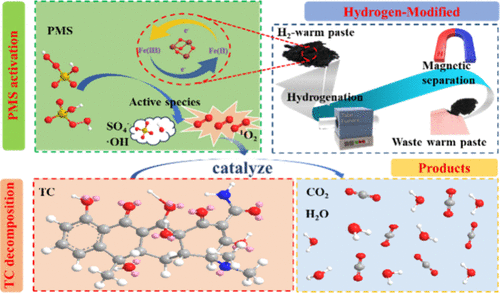
To overcome the limitations of conventional degradation methods in high-salt wastewater, attributed to the formation of stable complexes between tetracycline (TC) and salt, as well as the inhibitory effects of anions on free radical processes, this study proposes a novel nonradical oxidation approach utilizing recycled waste warm paste resources. Through the hydrogenation modification of the iron-based materials in waste warm paste, a highly effective nonradical-driven H2-warm paste (H2–WP) catalyst was developed for activating PMS to achieve targeted degradation of TC in high-salt conditions. Analysis using XRD and XPS techniques demonstrated that hydrogenation modification notably improved the Fe3O4 crystallinity (enhanced from 42.96% to 86.53%) and surface Fe2+/Fe3+ ratio (raised from 0.89 to 1.32) in the catalyst, thereby enhancing PMS activation for singlet oxygen (1O2) generation. The H2–WP/PMS system exhibited an 86% TC removal efficiency in high-salt conditions, displaying a 2-fold increase in the degradation rate constant compared to the WP/PMS system. Notably, the catalyst retained 95.37% of its initial activity after four consecutive cycles, showcasing remarkable stability against salt-induced degradation. Radical quenching experiments and EPR spectroscopy revealed that 1O2 was selective in TC oxidation, contributing to 63.24% of the degradation process. Complementary XPS and UPLC-MS analyses provided insights into the degradation mechanisms and pathways. This study establishes a novel waste-to-catalyst approach for treating hypersaline wastewater and enhances the understanding of nonradical oxidation mechanisms in complex aquatic environments with a multicomponent system.
Enhancing Industrial Oxygen Evolution Reaction Activity and Corrosion Resistance through Multielement Synergy of FeCoNiOx-MOF
Xinze Ban - ,
Nan Wang *- ,
Shuqing Jiang - ,
Fang Guan - ,
Shaochun Li *- ,
Ruiyong Zhang *- ,
Jizhou Duan - , and
Baorong Hou
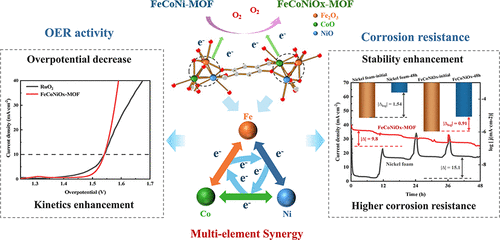
Metal-organic framework (MOF) materials have been widely used for water electrolysis with their high-quality structural features and many active sites, while the corrosion resistance of the industrial oxygen evolution reaction (OER) anode is a significant challenge in water electrolysis for hydrogen production. We prepared a series of MOF materials (FeOx-MOF, CoOx-MOF, NiOx-MOF, FeNiOx-MOF, FeCoOx-MOF, CoNiOx-MOF, and FeCoNiOx-MOF) by doping transition metals Fe, Co, and Ni as polymetallic elements. As an OER catalyst, FeCoNiOx-MOF exhibits the best electrocatalytic activity with an overpotential of 290 mV at 10 mA cm–2 current density among all the materials. It exhibits superior catalytic activity compared to RuO2. In addition, the current density and stability of FeCoNiOx-MOF are superior to those of CoNiOx-MOF and CoOx-MOF under the same constant potential (1.57 V vs RHE) conditions. Within 48 h, the corrosion current density change of FeCoNiOx-MOF (15.0%) was significantly lower than that of industrial-grade nickel foam (30.0%) in the same group, indicating a significant improvement in corrosion resistance, which may be attributed to the synergistic effect of multiple elements in FeCoNiOx-MOF. This study prepared a multielement FeCoNiOx-MOF with enhanced OER activity and corrosion resistance, providing a partial theoretical basis for its industrial applications.
Natural Deep Eutectic Solvents Enable Programmable Cooling-Free Cryopreservation
Hengxin Han - ,
Ying Wang - ,
Taijie Zhan - ,
Ning Guo - ,
Xinyue Wang - ,
Yuhan Zhang - ,
Jinglong Zuo - ,
Xingrao Lin - ,
Xiaomeng Liu - ,
Xi Chen - ,
Jianhao Hong - ,
Hangyu Dang - , and
Yi Xu *
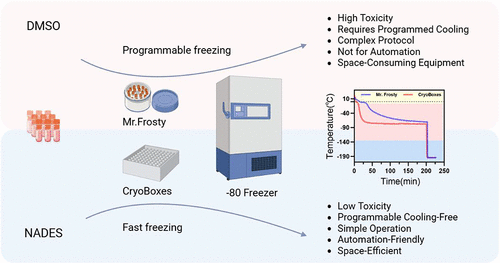
This study systematically evaluates two natural deep eutectic solvents (NADES)─PS21 (l-proline/sucrose, 2:1 molar ratio) and PS31 (l-proline/sucrose, 3:1 molar ratio)─as low-toxicity, programmable cooling-free cryoprotectants. Through comprehensive physicochemical characterization (FTIR, DSC, cryomicroscopy) and biological assays, we demonstrate that both PS21/PS31 variants significantly inhibit ice crystallization, modify ice morphology, and reduce recrystallization damage, and their unfrozen water content at 5 wt % (0.23 for PS21, 0.18 for PS31) was significantly higher than that of 10% dimethyl sulfoxide (DMSO, 0.10); cryomicroscopy revealed that NADES restrict ice crystal growth to 400–1000 μm2 (far smaller than the 4000–6000 μm2 in PBS) and modify ice morphology to reduce recrystallization damage. In biological assays using A549 cells: after 24 h of coculture, cell viability with 5 wt % PS31 (57.7%) was significantly higher than that with 10% DMSO(20.3%), and even at 20 wt %, PS21(18.6%) maintained viability comparable to DMSO. By optimizing cooling protocols (e.g., Method 2 with a cooling rate of −6.2 °C/min), high post-thaw performance was achieved: the highest survival rate (88.2%) was observed in the 15% PS31 group, and the 24 h proliferation rate of the 10% PS31 group reached 74.25%, significantly exceeding that of the DMSO group.These findings establish NADES as scalable, green alternatives for biobanking, offering streamlined workflows and enhanced sample quality while aligning with sustainable cryopreservation practices.
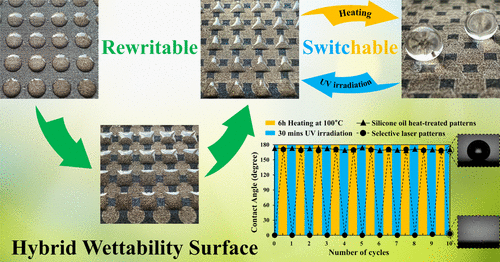
Scalable Fabrication of Rewritable, Switchable, and Stable Superhydrophilic–Superhydrophobic Titanium Micropatterns by Laser Surface Texturing and Fluorine-Free Postprocessing
Ngoc Giang Tran *- and
Doo-Man Chun *
Nature-inspired surfaces with hybrid wettability hold significant promise for water harvesting, dropwise condensation, and biomedical liquid arrays. However, current fabrication methods are hampered by restricted pattern complexity, reliance on toxic fluorides, mask alignment inaccuracies, and poor scalability. Here, we introduce a fluorine- and mask-free, implant-grade process to create superhydrophilic–superhydrophobic (SHPi–SHPo) patterns on titanium via sequential laser machining, silicone oil heat treatment, and ultraviolet (UV) irradiation treatment. Through parametric optimization of laser parameters and UV exposure, we establish ideal fabrication conditions for achieving micron-scale accuracy, enhanced stability in SHPi micropatterns, and long-term durability of the SHPo substrate. The underlying mechanisms governing wettability transitions and stability were elucidated through surface morphology and surface chemistry analyses. Additionally, the SHPi regions within hybrid architectures exhibit switching between extreme wettability states (SHPi and SHPo) via UV irradiation and thermal annealing cycles while maintaining adjacent SHPo regions’ integrity without cross-contamination. Moreover, additional silicone oil heat treatment fully erases prior patterns and enables micron-scale rewriting of arbitrary designs. This scalable, eco-friendly fabrication strategy opens new avenues for dynamic fluid management, efficient heat transfer, and reconfigurable biomedical interfaces.

Enhancing the Accuracy of Triboelectric Sensor Based on Triboelectric Material Surface Interface Strain Regulation Strategy
Xingke Zhao - ,
Pei Wang - ,
Jiajia Wan - ,
Sanlong Wang - ,
Qianya Yang - ,
Maojiang Zhang *- , and
Jie Gan *
Triboelectric nanogenerators (TENGs) produce distinct electrical signals upon contact with different objects, enabling their application in tactile sensors for material identification. Current strategies to improve identification accuracy primarily focus on sensor structure, operating mode, and material composition. Here, we introduce an interface strain management strategy to enhance both output performance and recognition accuracy. The proposed TENG device comprises two key components: a copper sheet electrode and a polydimethylsiloxane (PDMS) triboelectric layer with different elastic modulus. Interestingly, the device’s output performance does not increase monotonically with enhanced strain capacity. Instead, it exhibits an initial rise followed by saturation and eventual decline. This behavior is attributed to the formation of a high-viscosity surface at elevated PDMS curing ratios, which introduces interfacial adhesion that reduces effective contact stress during the contact-separation cycle. Therefore, optimizing the PDMS curing ratio is essential to balance interfacial strain and surface viscosity, thereby maximizing output performance. Leveraging machine learning, the system achieved a material identification accuracy of 98.6% using a convolutional neural network trained on triboelectric signal features under ambient conditions. Furthermore, an integrated material recognition platform was developed, incorporating the TENG-based sensor, data processing, and display modules, capable of real-time signal acquisition and interpretation. This work offers a promising approach for advancing material perception technologies toward intelligent machine applications.
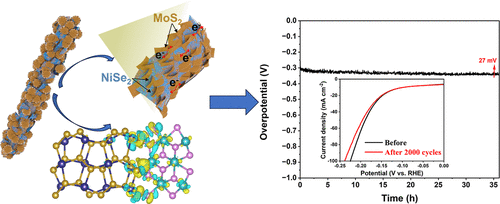
Interface-Engineered NiSe2/1T-Phase-Rich MoS2 Heterostructures for Enhanced Electrocatalytic Hydrogen Evolution
Jingyang Tian - ,
Meng Yu - ,
Ruihua Hao - ,
Chong Lin *- ,
Xin Yang - ,
Wei Chen - , and
Minghui Cao *
Constructing a heterojunction structure by combining two distinct two-dimensional materials with complementary properties represents a promising yet challenging approach to enhance the hydrogen evolution reaction (HER) in water electrolysis. So far, phase engineering has been extensively investigated and represents a highly effective strategy for enhancing the catalytic activity of non-noble-metal materials in various catalytic applications. This study demonstrates an in situ phase engineering strategy for MoS2, where the metallic 1T-phase is synergistically enhanced through heterointerface coupling with NiSe. In addition, by further integrating density functional theory calculations, we elucidated the interfacial charge transfer dynamics governing the enhanced HER at the MoS2–NiSe2 heterointerface. The optimized MoS2@NiSe2/CC-2 electrocatalyst demonstrated exceptional performance metrics, requiring merely 98 mV overpotential to deliver a 10 mA cm–2 current density, coupled with a favorable Tafel slope of 91 mV dec–1. These findings establish a universal design principle for engineering high-efficiency HER electrocatalysts through precise interface modulation.

Sessile Binary Mixture Droplet Evaporation Cycle: Marangoni and Buoyancy Effects in Phase Transition
Zixun Zang - ,
Tianwei Zhang - ,
Ryan Yao - ,
Rui Zhu - ,
Xiaoya Hou - , and
Jie Zhang *
Evaporation of a binary mixture droplet (BMD) is a fundamental physical phenomenon in nature that is widely applicable in inkjet printing, spray coating, microfluidics in medical diagnosis, surface cooling, and cleaning processes. In this study, the numerical model of sessile BMDs in a pinned state is established to illustrate the impacts of selective evaporation, Marangoni and buoyancy effects, and continuum-compensated flow in droplet evaporation stages, where the flow characteristics and assessment criteria of the dynamic flow development are presented. Initially, Marangoni instability-driven flow (MIF) originates from the competition between thermal and solutal Marangoni effects, followed by chaotic flow with multiple-vortex creation. As evaporation progresses, the droplet is stabilized into an internal axisymmetric vortex. When the majority of ethanol is depleted, the dominated capillary flow drives radial outward flow similar to that of pure water droplets. The transition stages are governed by the new dimensionless number Mgs/Pe, when Marangoni effects decay rapidly for the chaotic flow to axisymmetric vortex phase transition, and by Gr = 1 as the threshold for the subsequent transition to capillary flow, respectively. In principle, the manipulation of the solutally driven flow allows us to suppress the coffee-ring phenomenon and achieve more uniform deposition.

Biointerface Behavior of Layered Double Hydroxides: Dispersibility and Toxicity Assessment Using Experimental and Computational Models
Ayush Vikram Singh - ,
Abhishek Sharma - ,
M. Suresh Kumar - ,
Pravin K. Naoghare *- , and
Sukdeb Pal *
Layered double hydroxide (LDH) nanosheets are widely explored for applications in pharmaceutics, catalysis, environmental remediation, energy generation, and chemical sensing. With their ever-expanding applications, it is essential to comprehensively understand their interactions at biological and environmental interfaces to ensure both safety and sustainability. The study reports the synthesis and characterization of Mg–Al LDH, followed by a systematic evaluation of their dispersibility, environmental stability, and biological interactions using integrated experimental and computational approaches. Stable dispersions were observed in biologically and environmentally relevant media, including BSA, DMSO, RPMI with FBS, and Type I water, for up to 72 h. Cellular uptake studies in HepG2 cells demonstrated both dose- and time-dependent internalization of Mg and Al. Exposure to LDH for 48 h induced a significant (**: p ≤ 0.01), dose-dependent reduction in cell viability in HepG2 (at 250 mg/L to 1000 mg/L) and in HL60 cells (at 1000 mg/L). No significant alterations in reactive oxygen species (ROS) generation (500 mg/L to 10 ng/L) and no significant DNA damage were observed in HepG2 cells at concentrations of 10 μg/L and 10 ng/L. Flow cytometric apoptosis and mitochondrial permeability assays revealed a marked loss of mitochondrial permeability and alteration of cellular morphology at higher concentrations (250 mg/L, 500 mg/L) without inducing apoptosis. However, at environmentally relevant concentrations (ng−μg/L), no significant changes were detected in mitochondrial membrane potential, cellular morphology, and cell cycle progression, indicating concentration-dependent biosafety. Computational docking indicated predominantly weak interactions between LDH nanosheets and 21 apoptotic signaling proteins. The study highlights that the dispersion behavior and intrinsic properties of Mg–Al LDH nanosheets contribute to their low-hazard biological profile, supporting their safe use in applications. To the best of our knowledge, this is the first study to systematically investigate the biointerface behavior of Mg–Al LDH nanosheets, combined with a computational model.
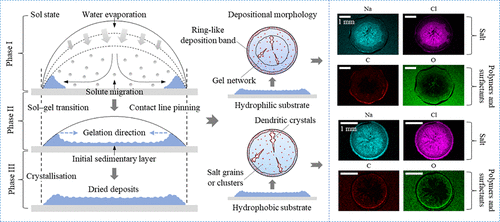
Evaporation and Deposition Behavior of Surrogate Respiratory Sessile Droplets: Influence of Substrate Wettability and Solute Effect
Zhirong Huang - ,
Hongwei Jia *- ,
Chao Dang - ,
Liaofei Yin - ,
Ke Zhong - ,
Yanming Kang - , and
Li Jia *
The evaporation and deposition of respiratory sessile droplets play a critical role in the transmission of infectious pathogens. This study investigated the drying behavior of surrogate respiratory fluids containing salts, polymers, and surfactants, with a focus on the impact of substrate wettability and solute effects on evaporation kinetics and deposition patterns. First-order statistics (FOS) and gray level co-occurrence matrices (GLCM) were employed to quantify the texture features of the dried deposits. The results demonstrated that droplets evaporated in constant contact radius (CCR) mode on ordinary glass, polydimethylsiloxane (PDMS), and nanocoated surfaces, yet crystalline nucleation and final deposit morphology varied markedly. Hydrophilic substrates induced intracrystal ring nucleation, forming a composite morphology comprising a ring-like deposition band (edge), a gel network, and dendrite clusters (center). In contrast, hydrophobic substrates promoted crystal nucleation near the triple-phase contact line (TPCL). Higher hydrophobicity widened the ring-like deposition band from 0.1 (glass) to 0.22 (nanocoated surface) and increased deposit complexity, evidenced by a drop in mean gray value (143 to 108) and a rise in entropy (6.9 to 8.1). Surfactants enhanced spreading and stabilized contact line pinning by reducing surface tension, thereby driving polymer migration toward the TPCL, where they self-assembled into ring-like gel networks. Salt ions induced polymer aggregation and phase separation via electrostatic interactions and cooperated with surfactants to suppress the coffee-ring effect. Moreover, increasing salt concentrations shifted crystal morphology from needlelike to dendritic and eventually petal-like, producing a “dense edge – sparse center” distribution with greater textural complexity. Conversely, higher polymer concentrations led to reversed amorphization of deposit morphology and nonmonotonic textural evolution.

Selective Adsorption Mechanism of Sebacoyl Hydroxamic Acid in the Flotation Separation of Scheelite from Fluorite: Experiments and DFT Calculations
Jinpeng Ma - ,
Fengping Xu - ,
Wenfang Che - ,
Xiaowen Yang - ,
Jianping Peng - ,
Hong Zhong - ,
Xiangping Chen - ,
Hongling Wang - ,
Xin Ma - ,
Zhiqiang Huang *- ,
Chen Cheng - , and
Shiyong Zhang
Scheelite (CaWO4) and fluorite (CaF2) have similar surface physicochemical properties, resulting in poor flotation selectivity when using conventional fatty acid collectors (i.e., oleate (HOL)), and making it difficult to separate them efficiently. To address this challenge, a dual-ligand hydroxamic acid surfactant, sebacoyl hydroxamic acid (SHA), which contains two hydroxamic acid groups, was synthesized in this study as a novel collector to efficiently enrich scheelite from fluorite. Microflotation experiments showed that the recovery of scheelite with 40 mg/L SHA at pH = 8 was 93%, and that of fluorite was only 37%. In the artificial mixed ore flotation test, the scheelite concentrate with a WO3 grade of 62.47% and a WO3 recovery of 93.61% was obtained by using SHA, which was significantly better than that acquired from the HOL system. Contact angle tests showed that SHA could significantly enhance the surface hydrophobicity of scheelite at a low concentration, and its separation effect was better than that of HOL. FT-IR analysis and ζ-potential measurements exhibited that SHA had strong chemisorption behavior on the scheelite surface but not on the fluorite surface. XPS analysis and DFT calculations indicated that the −CONHOH groups of SHA could chelate with the Ca sites on the scheelite surface to form a five-membered ring. In addition, SHA has stronger chemical reactivity and van der Waals forces for scheelite than HOL.
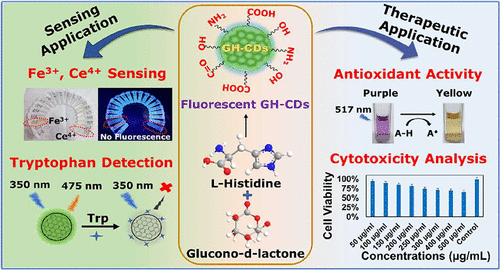
Multifunctional N-Doped Carbon Dots Derived from Glucono-d-lactone and Histidine for Fe3+/Ce4+ Ion Detection, Tryptophan Sensing, Antioxidant Activity, and Bioimaging
Amit Bharti - ,
Jashandeep Singh - ,
Neha Devi - ,
Pragti Gupta - ,
Nishima Wangoo - , and
Rohit K. Sharma *
Development of sustainable and multifunctional nanomaterials is essential for advancing environmentally benign technologies in sensing and biomedical applications. Herein, hydrothermal-based one-pot synthesis of carbon dots (GH-CDs) using glucono-d-lactone (GDL) and L-histidine is reported. The GH-CDs exhibit cyan-blue fluorescence and excellent aqueous dispersibility with abundant surface functionalities, as confirmed using UV–vis, fluorescence spectroscopy, HR-TEM, SAED, pXRD, XPS, FT-IR, TGA, and zeta potential measurements. These natural-source-derived CDs exhibited selective detection of Fe3+ and Ce4+ ions mainly due to static interaction and surface complexation, which was confirmed using fluorescence quenching mechanistic analysis. Specifically, GH-CDs demonstrated excellent LOD values of 0.0514 and 0.034 μM for Fe3+ and Ce4+ ions, respectively. The real-time validation of this selective metal ion detection was performed in real water samples, which confirmed the operational robustness and interference resistance of GH-CDs. Additionally, the GH-CDs demonstrated exceptionally high specificity for tryptophan compared to all other natural amino acids. Further, the multifunctional nanoprobe analysis of GH-CDs was extended for evaluating their antioxidant activity using a DPPH assay. This analysis revealed a concentration-dependent radical scavenging efficiency of GH-CDs with 73.2% inhibition at 500 μg/mL and an IC50 value of 86.6 μg/mL. The cytotoxicity analysis followed by cellular imaging studies using the normal HEK cell line further demonstrated the high biocompatibility and fluorescence imaging potential of GH-CDs. The reported versatile applications of GH-CDs make them a sustainable, cost-effective, and efficient nanoprobe material for future use.

High-Strength, Lightweight TPMS Structures from Surface-Modified Coal-Based Solid Waste Glass Powder by DLP Light-Curing 3D Printing
Runze Liu - and
Shuming Wang *
To reduce the accumulation of coal-based solid waste and lower the cost of three-dimensional (3D) printing raw materials. This study demonstrates the high-value utilization of coal-based solid waste through the fabrication of lightweight, high-performance triply periodic minimal surface (TPMS) structures using digital light processing (DLP) 3D printing. Coal-based solid waste glass powder (CWGP) was modified with silane coupling agents (KH550, KH560, and KH570) to enhance its compatibility with the 1,6-hexanediol diacrylate (HDDA) resin system. The modification mechanism was systematically investigated, revealing that the powder modified by KH570 has optimal hydrophobic surface properties (water contact angle: 97.1°). The dispersion performance of the powder was significantly improved, reducing slurry viscosity to 0.032 Pa·s at a shear rate of 30 s–1. The resulting slurry exhibited excellent stability and printability, enabling the successful manufacturing of five complex TPMS architectures: Gyroid, Schwarz, Diamond, Lidinoid, and Split-P. Mechanical testing showed that the Split-P structure possessed the highest compressive strength, reaching 12.81 MPa. This work not only offers a sustainable strategy for repurposing industrial solid waste into functional structures but also highlights the potential of such TMPS structures for advanced applications in aerospace, rail transit, and other engineering fields.

Contact Line Motion over a Surface Asperity: Jumping and Energy Dissipation
Javad Sherafatpour - ,
Philippe Tordjeman *- , and
Thierry Ondarçuhu *
Understanding the interaction between a moving contact line and surface defects is essential to explain wetting dynamics and contact angle hysteresis on real surfaces. In this work, we investigate how an isolated topographical defect influences the motion of a contact line on a cylindrical fiber, a geometry relevant to atomic force microscopy (AFM) experiments. Using numerical simulations, we analyze the quasistatic force–displacement behavior of a meniscus advancing and receding over a single nanoscale bump, revealing distinct pinning and depinning jumps of the contact line, which lead to dissipated energy. The simulations quantify the dependence of jump lengths and associated energy dissipation on physical parameters such as surface tension, contact angle, defect geometry, and tip radius. The simulations show clearly that the depinning dissipated energy is larger than the pinning one, and most of the dissipation occurs during the depinning process. We propose approximated expressions of the dissipated energy for the pinning and depinning jumps, which shows the effects of the physical parameters. This simple model gives dissipated energies, which are in good agreement with the numerical simulations and AFM experiments. We extend the simulations to other types of defects, such as pits and chemical heterogeneities, and demonstrate how their signatures in force curves differ. Finally, we establish that the contact line jumps occur at a velocity close to the velocity of capillary waves, in agreement with recent results in the literature. This study provides insights into the fundamental mechanisms of contact angle hysteresis and energy dissipation in wetting phenomena.
Mastheads
Issue Editorial Masthead

This publication is free to access through this site. Learn More
Issue Publication Information
This publication is free to access through this site. Learn More